
Introduction
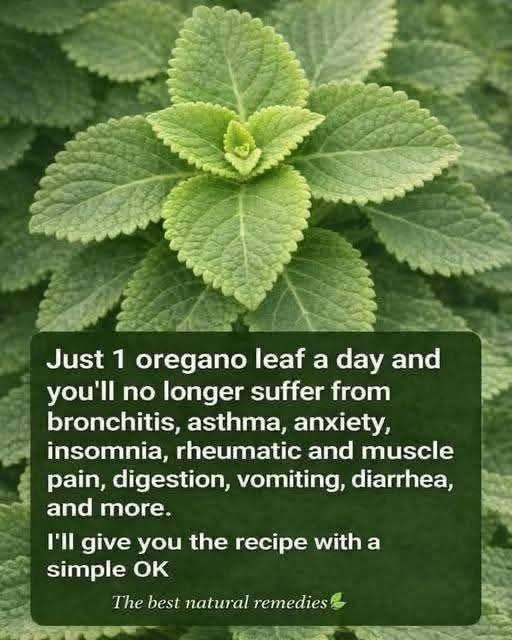
From the sun-drenched hillsides of the Mediterranean to the bustling kitchens of the world, oregano stands as a culinary cornerstone. This aromatic herb, with its distinctive peppery and slightly pungent flavor, has graced countless dishes, elevating everything from pizza and pasta to roasted meats and vibrant salads. Beyond its celebrated culinary prowess, oregano boasts a rich history as a medicinal herb, with ancient civilizations recognizing its potent properties long before modern science began to unravel its secrets. This article embarks on a fascinating journey to explore oregano not just as a flavor enhancer, but as a powerful botanical ally, delving into the scientifically-backed health benefits that underscore its enduring role in supporting overall wellness.
For centuries, folklore and traditional medicine have championed oregano for its purported healing capabilities, attributing to it a wide array of therapeutic effects. From soothing digestive woes to warding off infections, the beliefs surrounding oregano’s medicinal virtues are deeply ingrained in various cultures. In an age where well-being is increasingly prioritized, and natural remedies are gaining renewed attention, it’s timely to move beyond anecdotal evidence and examine what scientific research has to say about this remarkable herb. Our goal is to provide a balanced, evidence-based discussion, shedding light on the genuine potential of oregano as a valuable addition to a health-conscious lifestyle.
This exploration will dissect oregano’s impressive nutritional profile, spotlighting its key vitamins, minerals, and, most importantly, its powerful bioactive compounds. We will then scrutinize the scientific literature, examining studies that investigate oregano’s antibacterial, antiviral, antifungal, and anti-inflammatory properties, among other potential health benefits. By understanding these mechanisms, we can better appreciate how this humble herb contributes to our health. Finally, we’ll offer practical advice on how to seamlessly integrate oregano into your daily diet, along with essential considerations and precautions to ensure its safe and effective use.
Nutritional Information
Per serving (approximate values for 1 teaspoon dried oregano):
- Calories: 3 kcal
- Protein: 0.1 g
- Carbohydrates: 0.7 g
- Fat: 0.1 g
- Fiber: 0.4 g
- Sodium: 0.3 mg
Ingredients
While oregano is typically used as a seasoning rather than a primary ingredient in large quantities, understanding its components is key to appreciating its wellness benefits. Here’s a breakdown of what makes oregano so potent:
- Fresh Oregano Leaves: The most vibrant and aromatic form, rich in volatile oils.
- Dried Oregano: A concentrated form, often more pungent than fresh, retaining many beneficial compounds.
- Key Bioactive Compounds (in both fresh and dried):
- Carvacrol: A phenolic monoterpenoid responsible for much of oregano’s distinctive aroma and many of its reported medicinal properties.
- Thymol: Another phenolic compound, closely related to carvacrol, also contributing to oregano’s flavor and therapeutic effects.
- Rosmarinic Acid: A potent antioxidant.
- Terpenes: Including cymene, pinene, and terpinene, which contribute to its aroma and potential health benefits.
- Vitamins and Minerals (trace amounts, but significant for a herb):
- Vitamin K: Essential for blood clotting and bone health.
- Vitamin A (as beta-carotene): Important for vision, immune function, and skin health.
- Vitamin C: An antioxidant supporting immune health.
- Iron: Crucial for oxygen transport.
- Manganese: Involved in enzyme activation and antioxidant defense.
- Calcium: Important for bone health.
- Fiber: Aids digestion.
Instructions
Incorporating oregano into your diet for wellness is less about a single “recipe” and more about consistent, mindful use. Here are instructions for various ways to utilize oregano:
For Everyday Culinary Use (Fresh or Dried)
- Adding to Sauces and Stews:
- If using fresh oregano, strip leaves from stems. Chop finely or tear by hand. Add 1-2 tablespoons (or to taste) during the last 15-20 minutes of cooking for maximum flavor and retention of volatile compounds.
- If using dried oregano, crush between your palms to release its aroma. Add 1-2 teaspoons (or to taste) earlier in the cooking process (e.g., with aromatics like onions and garlic) to allow its flavors to meld.
- Seasoning Meats and Vegetables:
- For fresh oregano, finely chop 1-2 tablespoons and rub onto chicken, fish, or vegetables (like zucchini, bell peppers, or potatoes) before roasting or grilling. Combine with olive oil, salt, and pepper.
- For dried oregano, sprinkle 1-2 teaspoons directly onto meats or vegetables before cooking. It’s excellent in marinades.
- Salad Dressings and Vinaigrettes:
- Finely chop 1 tablespoon of fresh oregano and whisk into your favorite homemade vinaigrette.
- Add 1 teaspoon of dried oregano to olive oil, vinegar, Dijon mustard, salt, and pepper for a quick, aromatic dressing. Allow it to sit for at least 15 minutes for flavors to infuse.
- Garnish and Finishing Touch:
- Sprinkle fresh, chopped oregano leaves over finished dishes like pizza, pasta, eggs, or soups just before serving to add a burst of fresh flavor and aroma.
For Oregano-Infused Olive Oil
- Gather Ingredients: You’ll need 1 cup of good quality extra virgin olive oil and 3-4 sprigs of fresh oregano (or 2 tablespoons dried oregano).
- Prepare Oregano: If using fresh, gently bruise the leaves by crushing them slightly. If using dried, no special prep is needed.
- Infuse (Cold Method): Place the fresh or dried oregano in a clean, dry glass bottle or jar. Pour the olive oil over the oregano, ensuring it’s completely submerged.
- Steep: Seal the bottle and let it sit in a cool, dark place for 1-2 weeks. Shake gently every few days.
- Strain (Optional): For a longer shelf life and to prevent potential mold growth (especially with fresh herbs), strain the oil through a fine-mesh sieve or cheesecloth to remove the oregano leaves.
- Store: Store the infused oil in a cool, dark place. Use within 1-2 months for best flavor.
For Oregano Tea (for perceived digestive or respiratory support)
- Boil Water: Bring 8-10 ounces of water to a rolling boil.
- Prepare Oregano: For fresh oregano, use 1-2 sprigs (about 1 tablespoon of leaves). For dried oregano, use 1-2 teaspoons.
- Steep: Place the oregano in a mug. Pour the hot water over the oregano.
- Cover and Infuse: Cover the mug with a saucer or lid to trap the volatile oils. Let it steep for 5-10 minutes.
- Strain and Serve: Strain out the oregano leaves. You can add a squeeze of lemon or a touch of honey if desired. Consume warm.
Cooking Tips and Variations
To maximize the flavor and potential health benefits of oregano, consider these tips and variations:
Fresh vs. Dried: Fresh oregano offers a vibrant, slightly sweeter, and more delicate flavor, while dried oregano is more concentrated, earthy, and pungent. As a general rule, use about one-third the amount of dried oregano compared to fresh (e.g., 1 teaspoon dried for 1 tablespoon fresh). Both forms retain significant beneficial compounds, though fresh may have a higher concentration of certain volatile oils.
When to Add: For fresh oregano, add it towards the end of cooking to preserve its delicate flavor and aromatic oils. For dried oregano, which needs time to rehydrate and release its flavor, add it earlier in the cooking process, allowing it to simmer with other ingredients.
“Blooming” Dried Oregano: To intensify the flavor of dried oregano, “bloom” it by briefly sautéing it in a little olive oil for about 30 seconds before adding other ingredients. This process releases its aromatic compounds.
Growing Your Own: Oregano is an incredibly easy herb to grow, whether in a garden bed or a pot on a windowsill. Homegrown oregano will always be fresher and often more potent than store-bought. Harvesting regularly encourages bushier growth.
Storage Tips:
- Fresh Oregano: Wrap sprigs loosely in a damp paper towel and place in a plastic bag in the refrigerator. It will last about 1 week. Alternatively, place stems in a glass of water like a bouquet, cover loosely with a plastic bag, and refrigerate.
- Dried Oregano: Store in an airtight container in a cool, dark place away from direct sunlight and heat. Properly stored, dried oregano can maintain its potency for 1-2 years.
Flavor Pairings: Oregano pairs exceptionally well with tomatoes, garlic, olive oil, lemon, bell peppers, zucchini, eggplant, lamb, chicken, and fish. It’s a staple in Mediterranean, Italian, and Mexican cuisines.
Variations Beyond the Basics:
- Oregano Pesto: Substitute or combine oregano with basil in a traditional pesto recipe for a unique, robust flavor.
- Oregano Oil (Concentrated): While not for culinary use, concentrated oregano essential oil is sometimes used topically or in diluted form internally for its potent properties. This should always be done under the guidance of a healthcare professional due to its strength.
- Oven-Roasted Oregano Chips: Toss fresh oregano sprigs with a little olive oil and salt, then roast at a low temperature until crispy for a gourmet garnish.
Storage and Reheating
When incorporating oregano into dishes, its storage and reheating considerations are typically tied to the dish itself. However, for infused oils or teas, specific guidelines apply to maintain quality and safety.
Storage of Oregano-Infused Olive Oil:
- Refrigeration: While not strictly necessary for safety if properly strained and stored, refrigerating infused oils can extend their shelf life and slow down potential rancidity. However, olive oil will solidify in the fridge; allow it to come to room temperature before use.
- Cool, Dark Place: The best storage for infused olive oil is in a cool, dark pantry or cupboard, away from direct sunlight and heat.
- Airtight Container: Always store in a well-sealed, airtight glass bottle or jar to prevent oxidation and maintain flavor.
- Shelf Life: If using dried oregano and straining, the oil can last for 1-2 months. If using fresh oregano, especially if not strained, it’s best to use it within 1-2 weeks and keep it refrigerated, as fresh herbs can introduce moisture and increase the risk of bacterial growth. Always discard if you notice any off smells, cloudiness, or mold.
Storage of Oregano Tea:
- Immediate Consumption: Oregano tea is best consumed immediately after brewing to enjoy its full aroma and beneficial compounds.
- Refrigeration: If you have leftovers, you can store cooled oregano tea in an airtight container in the refrigerator for up to 24-48 hours.
- Discard if Cloudy: Discard any tea that appears cloudy, develops an off smell, or tastes sour.
Reheating Dishes with Oregano:
- General Rule: Oregano, especially dried oregano, holds up very well to reheating in most dishes. Its robust flavor often intensifies slightly upon reheating.
- Soups, Stews, and Sauces: Reheat gently on the stovetop over low to medium heat, stirring occasionally, until heated through. Alternatively, microwave in short intervals, stirring between.
- Roasted Vegetables/Meats: Reheat in an oven at a moderate temperature (e.g., 300-350°F / 150-175°C) until warmed through, to prevent drying out. Microwaving is also an option but may alter texture.
- Pizzas/Flatbreads: Reheat in a preheated oven or toaster oven for best results, to crisp the crust.
When reheating, remember that while the flavor of oregano will persist, some of its more volatile compounds, which contribute to its fresh aroma and certain health benefits, may diminish slightly with repeated heating. However, the non-volatile compounds, including many antioxidants, will remain present.
Frequently Asked Questions
What is the difference between oregano and marjoram?
While botanically related and often confused, oregano and marjoram are distinct herbs with different flavor profiles. Marjoram (Origanum majorana) is generally sweeter, milder, and more delicate, with subtle floral and pine notes. Oregano (Origanum vulgare), particularly Mediterranean oregano, is more robust, pungent, and peppery, with a strong, earthy aroma. The key chemical compounds, carvacrol and thymol, are present in higher concentrations in oregano, contributing to its more assertive flavor and often stronger medicinal properties compared to marjoram, which contains less of these compounds.
Can I use oregano essential oil for health benefits?
Oregano essential oil is significantly more concentrated than the herb and should be used with extreme caution. While it contains high levels of carvacrol and thymol, making it very potent, it can also be irritating to the skin and mucous membranes. It should never be ingested undiluted and typically requires dilution with a carrier oil for topical application. Internal use of oregano essential oil should only be undertaken under the strict guidance of a qualified healthcare professional, as it can interact with medications and have adverse effects if not used properly. For general wellness support, incorporating fresh or dried oregano into your diet is a safer and more recommended approach.
Are there any side effects or precautions when consuming oregano?
While usually safe for most people when consumed in culinary amounts, some individuals may experience side effects or need to take precautions. High doses of oregano, such as those found in supplements or essential oils, can potentially cause digestive upset (e.g., stomach discomfort, nausea, diarrhea). Individuals with allergies to other Lamiaceae family plants, like mint, basil, or sage, might also be allergic to oregano. Oregano may have anticoagulant properties, so those on blood-thinning medications should consult their doctor before consuming large amounts. Pregnant and breastfeeding women are also advised to consult their healthcare provider before using oregano medicinally, as its effects in these populations are not fully established. As with any herb, moderation and listening to your body are key.
Does cooking destroy oregano’s health benefits?
Cooking does affect the chemical composition of oregano, but it doesn’t necessarily destroy all its health benefits. Some of the more volatile compounds, responsible for its fresh aroma, can evaporate with prolonged high heat. However, many of the beneficial phenolic compounds, including carvacrol and thymol, are relatively stable under typical cooking conditions. In fact, some studies suggest that cooking can even enhance the bioavailability of certain antioxidants in herbs. For optimal benefit, it’s good to use a combination: add dried oregano earlier in cooking to allow flavors to meld, and sprinkle fresh oregano as a garnish at the end to preserve its most delicate volatile oils and fresh flavor.
The information provided in this article is for informational purposes only and does not constitute medical advice. Always consult with a qualified healthcare professional before making any decisions about your health or treatment.