
Introduction
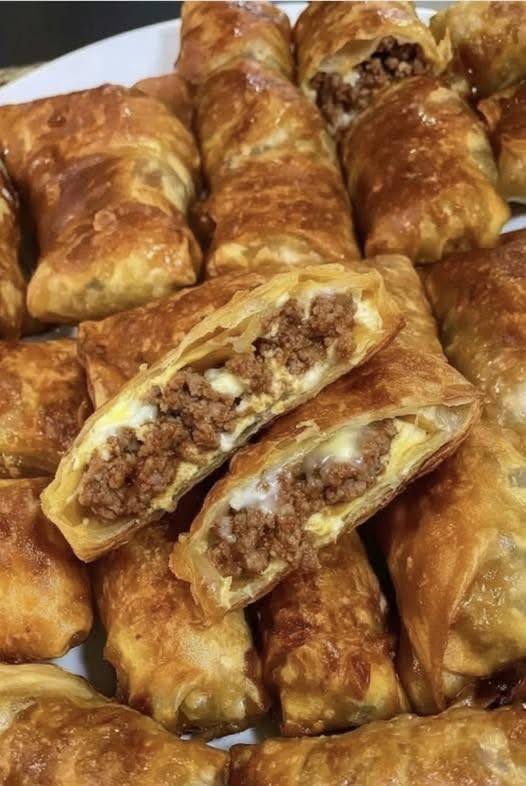
There’s something undeniably magical about a perfectly crispy, savory egg roll. That satisfying crunch as you bite through the golden-brown wrapper, giving way to a warm, flavorful filling – it’s a culinary experience that transports you straight to your favorite Chinese takeout spot. But what if we told you that same incredible experience, with even fresher ingredients and customizable flavors, is entirely achievable right in your own kitchen? That’s right, we’re diving into the delightful world of homemade Chinese egg rolls, and trust us, once you make them from scratch, you might never go back to store-bought.
Egg rolls are a staple of Chinese-American cuisine, beloved for their versatility as an appetizer, snack, or even a light meal. While the exact origins are debated, their popularity soared in the West, becoming synonymous with delicious Asian-inspired comfort food. Our homemade version elevates this classic, allowing you to control every aspect, from the quality of the meat and vegetables to the perfect blend of seasonings. Forget mysterious ingredients and questionable oil; with this recipe, you’re in charge of creating a truly exceptional egg roll that will impress family and friends alike.
What makes these particular homemade egg rolls special? Beyond the obvious freshness, our recipe focuses on achieving that elusive, ultra-crispy exterior coupled with a juicy, well-seasoned filling. We’ve perfected the balance of textures and flavors, ensuring each bite is a symphony of savory goodness. Plus, we’ll guide you through the art of wrapping – a surprisingly simple skill that, once mastered, opens up a world of possibilities for future culinary adventures. Get ready to embrace the joy of creating these golden-fried parcels of deliciousness!
Nutritional Information
Per serving (approximate values):
- Calories: 280
- Protein: 15g
- Carbohydrates: 20g
- Fat: 16g
- Fiber: 3g
- Sodium: 450mg
Ingredients
- 1 pound ground pork (or ground chicken, beef, or turkey)
- 1 tablespoon sesame oil
- 1 tablespoon fresh ginger, minced
- 2 cloves garlic, minced
- 1 cup coleslaw mix (shredded cabbage and carrots)
- 1/2 cup finely chopped bamboo shoots, drained
- 1/4 cup finely chopped water chestnuts, drained
- 2 tablespoons soy sauce (low sodium preferred)
- 1 tablespoon oyster sauce (optional, but recommended for depth of flavor)
- 1/2 teaspoon black pepper
- 1/4 teaspoon white pepper
- 20-25 egg roll wrappers (standard 6×6 inch square)
- 1 large egg, whisked (for sealing wrappers)
- 6-8 cups vegetable oil (or canola oil) for frying
- Optional: 1/4 cup chopped green onions (for filling)
- Optional: 1 teaspoon cornstarch (if filling seems too wet)
Instructions
- Prepare the Filling: In a large skillet or wok, heat the sesame oil over medium-high heat. Add the ground pork (or chosen meat) and cook, breaking it apart with a spoon, until browned and cooked through. Drain any excess fat.
- Sauté Aromatics: Add the minced fresh ginger and minced garlic to the skillet with the cooked meat. Sauté for 1-2 minutes until fragrant.
- Add Vegetables: Stir in the coleslaw mix, bamboo shoots, and water chestnuts. Cook for 5-7 minutes, stirring occasionally, until the vegetables have softened slightly and most of their moisture has evaporated. You want the filling to be relatively dry to prevent soggy egg rolls.
- Season the Filling: Add the soy sauce, oyster sauce (if using), black pepper, and white pepper to the skillet. Stir well to combine all ingredients. If using, stir in the chopped green onions. Taste and adjust seasoning as needed. If the filling appears too wet, you can stir in 1 teaspoon of cornstarch to help absorb excess moisture. Remove the filling from the heat and allow it to cool completely before wrapping. This is crucial for easy wrapping and preventing the wrappers from tearing.
- Set Up Your Wrapping Station: Once the filling is cool, set up your wrapping station. You’ll need the cooled filling, your stack of egg roll wrappers, the whisked egg in a small bowl (this will act as your “glue”), and a clean, dry surface.
- Wrap the Egg Rolls: Place one egg roll wrapper on your work surface with a corner pointing towards you (like a diamond). Scoop about 2-3 tablespoons of the cooled filling onto the center of the wrapper, forming it into a log shape about 3-4 inches long, slightly below the center point.
- Fold the Bottom Corner: Take the corner closest to you and fold it tightly over the filling, tucking it in. Roll it once, snugly, just past the filling.
- Fold the Sides: Fold in the left and right corners towards the center, creating an envelope shape. Make sure these folds are tight against the filling.
- Roll Tightly: Starting from the bottom, roll the egg roll up towards the top corner. As you roll, keep the sides tucked in and maintain a tight, even cylinder.
- Seal the Egg Roll: Just before you reach the top corner, dip your finger into the whisked egg and lightly brush the remaining top corner of the wrapper. Finish rolling to seal the egg roll securely. Repeat this process with the remaining filling and wrappers. Place wrapped egg rolls on a baking sheet lined with parchment paper, making sure they don’t touch.
- Prepare for Frying: In a large, heavy-bottomed pot or Dutch oven, pour in the vegetable oil to a depth of about 3-4 inches. Heat the oil over medium-high heat to 350°F (175°C). Use a candy thermometer or deep-fry thermometer to monitor the temperature accurately.
- Fry the Egg Rolls: Carefully lower 3-4 egg rolls at a time into the hot oil, being careful not to overcrowd the pot. Overcrowding will lower the oil temperature and result in greasy, less crispy egg rolls.
- Cook Until Golden: Fry for 4-6 minutes, turning occasionally with tongs, until they are evenly golden brown and crispy.
- Drain and Serve: Once cooked, remove the egg rolls from the oil using tongs and transfer them to a wire rack set over a baking sheet lined with paper towels to drain any excess oil. Repeat with the remaining egg rolls. Serve immediately with your favorite dipping sauces.
Cooking Tips and Variations
For the crispiest egg rolls, ensure your oil is at the correct temperature (350°F / 175°C) and maintain it throughout the frying process. If the oil is too cool, the egg rolls will absorb too much oil and be greasy. If it’s too hot, they’ll brown too quickly on the outside and remain undercooked on the inside. Don’t overcrowd the pot; fry in batches to keep the oil temperature consistent. Make sure your filling is completely cool and relatively dry; excess moisture is the enemy of a crispy egg roll. If your filling is too wet, the wrappers can become soggy or burst during frying. A small amount of cornstarch can help bind and dry out the filling if needed.
When wrapping, practice makes perfect! The key is to roll tightly and evenly to prevent air pockets that can cause blistering or bursting. Use just enough egg wash to seal; too much can make the wrapper gummy. If you’re not frying immediately, you can wrap the egg rolls and place them on a parchment-lined baking sheet, cover loosely with plastic wrap, and refrigerate for up to 24 hours. For longer storage, flash freeze them on a baking sheet until solid, then transfer to a freezer-safe bag. Fry from frozen, adding an extra minute or two to the cooking time.
For a healthier alternative, you can bake or air fry these egg rolls. To bake, preheat your oven to 400°F (200°C). Lightly brush the wrapped egg rolls with vegetable oil or spray with cooking spray. Bake for 20-25 minutes, flipping halfway through, until golden brown and crispy. For air frying, preheat your air fryer to 375°F (190°C). Lightly spray the egg rolls with oil. Air fry for 12-15 minutes, flipping halfway, until golden and crisp. Results won’t be quite as crispy as deep-fried, but still delicious!
The filling is incredibly versatile. Feel free to experiment with different vegetables like finely diced bell peppers, shredded mushrooms, or bean sprouts. For a vegetarian option, simply omit the meat and increase the amount of vegetables, or add firm tofu or tempeh, crumbled and sautéed. Spice lovers can add a pinch of red pepper flakes or a dash of sriracha to the filling. You can also vary the dipping sauces; classic sweet and sour sauce, hot mustard, soy sauce, duck sauce, or even a homemade chili garlic sauce all pair wonderfully.
Storage and Reheating
Cooked egg rolls are best enjoyed fresh, but leftovers can be stored. Allow them to cool completely before transferring to an airtight container. Refrigerate for up to 3-4 days. For longer storage, cooked egg rolls can be frozen. Once cooled, arrange them in a single layer on a baking sheet and freeze until solid. Then transfer to a freezer-safe bag or container, separating layers with parchment paper, and freeze for up to 2-3 months.
Reheating is key to maintaining their crispy texture. Avoid the microwave, as it will make them soggy. The best methods for reheating are the oven or an air fryer. To reheat in the oven, preheat to 350°F (175°C). Place the egg rolls on a wire rack set over a baking sheet and bake for 10-15 minutes (or 20-25 minutes if reheating from frozen), until heated through and crispy. To reheat in an air fryer, preheat to 350°F (175°C). Place egg rolls in a single layer and air fry for 5-8 minutes (or 10-12 minutes from frozen), shaking the basket halfway, until hot and crispy.
You can also reheat them in a skillet over medium heat with a little oil, turning frequently, until crispy and heated through. This method works well for just a few egg rolls. Always ensure the internal temperature reaches 165°F (74°C) when reheating.
Frequently Asked Questions
What kind of wrappers should I use for egg rolls?
You should use square egg roll wrappers, typically found in the refrigerated section of your grocery store, often near the produce or dairy. They are thicker and chewier than spring roll wrappers, which are much thinner and more delicate. Look for brands specifically labeled “egg roll wrappers.”
Can I prepare the filling in advance?
Absolutely! The filling can be prepared a day or two in advance and stored in an airtight container in the refrigerator. This can be a great time-saver, especially if you’re planning to make a large batch of egg rolls for a party. Just make sure the filling is completely cooled before wrapping.
Why are my egg rolls getting soggy after frying?
Soggy egg rolls are usually due to one of two reasons: the oil temperature was too low, causing the wrappers to absorb too much oil, or the filling was too wet, releasing moisture into the wrapper during frying. Ensure your oil is consistently at 350°F (175°C) and that your filling is as dry as possible before wrapping.
Can I deep fry frozen egg rolls?
Yes, you can deep fry egg rolls directly from frozen. Do not thaw them first, as this can make the wrappers wet and difficult to handle. Add an extra 2-3 minutes to the frying time, being careful not to overcrowd the pot, to ensure they cook through and become golden brown and crispy.