
Introduction
Craving the soul-warming comfort of French onion soup married with the melt-in-your-mouth tenderness of slow-cooked brisket? Prepare to have your culinary dreams come true with our incredible 3-Ingredient French Onion Brisket recipe! This dish is a true game-changer, delivering rich, savory flavors that taste like they simmered all day, yet it’s astonishingly simple to prepare. Forget complicated techniques and endless ingredient lists; we’re stripping it back to the essentials to create a dish that’s big on flavor and minimal on fuss.
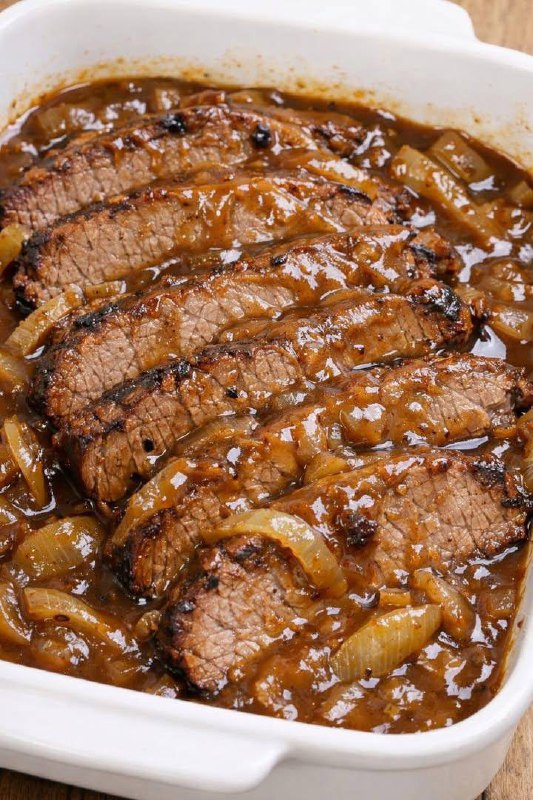
Imagine tender, fall-apart brisket, bathed in a deeply flavorful sauce reminiscent of classic French onion soup – sweet caramelized onions, savory beef broth, and that distinct umami punch. This recipe takes those beloved components and transforms them into an unforgettable main course that’s perfect for a cozy weeknight dinner or an impressive gathering. The magic lies in the clever combination of just three key ingredients that work in harmony to build layers of complex flavor without requiring hours of prep.
What makes this French Onion Brisket truly special is its deceptive simplicity. You don’t need to be a gourmet chef to achieve spectacular results. The beauty of a 3-ingredient recipe is that it highlights the quality of each component, allowing their individual strengths to shine. The result is a robust, comforting, and utterly delicious meal that will have everyone asking for seconds. Get ready to add a new favorite to your recipe repertoire – one that proves incredible flavor doesn’t have to come with a hefty ingredient list or a demanding cooking process.
Nutritional Information
Per serving (approximate values):
- Calories: 580
- Protein: 45g
- Carbohydrates: 15g
- Fat: 38g
- Fiber: 2g
- Sodium: 950mg
Ingredients
- 3-4 pounds beef brisket, flat cut
- 2 large yellow onions, thinly sliced
- 1 (1-ounce) packet dry French onion soup mix
Instructions
- Preheat your oven to 325°F (160°C).
- Pat the brisket dry with paper towels. If desired, you can trim any excess hard fat, but leave a good fat cap for flavor and moisture.
- Heat a large, oven-safe Dutch oven or heavy-bottomed pot over medium-high heat. Add a tablespoon of olive oil or other high-smoke-point oil if your brisket doesn’t have a significant fat cap.
- Sear the brisket fat-side down for 5-7 minutes until deeply golden brown and crispy. Flip the brisket and sear the other side for another 5-7 minutes. Remove the brisket from the pot and set aside.
- Add the thinly sliced onions to the same pot. Reduce the heat to medium-low. Cook the onions, stirring occasionally, for 10-15 minutes until they start to soften and turn translucent. If they begin to stick, you can add a tablespoon of water or beef broth to deglaze the pan.
- Sprinkle the dry French onion soup mix over the softened onions. Stir well to combine, making sure the mix is evenly distributed.
- Return the seared brisket to the Dutch oven, placing it on top of the onion mixture. If your brisket has a fat cap, place it fat-side up.
- Cover the Dutch oven tightly with its lid.
- Transfer the Dutch oven to the preheated oven and cook for 3 to 3.5 hours, or until the brisket is fork-tender. The cooking time can vary based on the thickness and exact weight of your brisket. It should be easily pierced with a fork and nearly falling apart.
- Once cooked, carefully remove the Dutch oven from the oven. Remove the brisket from the pot and place it on a cutting board. Tent it loosely with foil and let it rest for at least 15-20 minutes. This resting period is crucial for the juices to redistribute, ensuring a tender and moist brisket.
- While the brisket is resting, you can skim any excess fat from the surface of the sauce in the pot, if desired. Stir the sauce and onions to combine.
- After resting, slice the brisket against the grain into 1/4 to 1/2-inch thick slices. Slicing against the grain is vital for tenderness.
- Serve the sliced brisket generously topped with the rich French onion sauce and caramelized onions from the pot.
Cooking Tips and Variations
Achieving the perfect 3-Ingredient French Onion Brisket is all about a few key techniques and smart choices. First and foremost, don’t skimp on the quality of your brisket. A well-marbled flat cut will yield the most tender and flavorful results. While a full packer brisket can be used, the flat cut is generally easier to manage for this recipe. When searing the brisket, aim for a deep, rich brown crust. This browning, known as the Maillard reaction, creates incredible depth of flavor that carries through the entire dish. Don’t rush this step; it’s foundational to the final taste.
The onions are the heart of the “French onion” flavor. While the recipe calls for thinly sliced onions, you don’t need to caramelize them fully for an hour like traditional French onion soup. The long, slow braise in the oven will continue to break them down and sweeten them. However, giving them a good 10-15 minutes of sautéing at the start helps build that initial layer of sweetness and complexity. If you want an even deeper onion flavor, consider using a mix of yellow and sweet onions.
The dry French onion soup mix is the unsung hero of this 3-ingredient wonder. It provides a concentrated burst of savory, oniony, and sometimes garlicky notes, along with thickening agents that contribute to a luscious sauce. Different brands can have slightly different flavor profiles and sodium levels, so you might find a favorite through experimentation. If you’re concerned about sodium, look for low-sodium versions of the soup mix.
When it comes to braising, ensuring your Dutch oven is tightly sealed is paramount. This traps the moisture and steam, allowing the brisket to slowly tenderize in its own juices and the onion mixture. If your lid isn’t perfectly snug, you can place a layer of aluminum foil between the pot and the lid to create a tighter seal. The low and slow cooking temperature is crucial; resist the urge to crank up the heat, as this can dry out the brisket. Patience is a virtue here.
Slicing the brisket correctly is as important as cooking it. Always slice against the grain. The muscle fibers in brisket are long; slicing perpendicular to them shortens these fibers, making each bite incredibly tender. If you slice with the grain, even the most perfectly cooked brisket can be tough and chewy. Take a moment to identify the grain before you start cutting.
For variations, you can certainly elevate this dish further if you’re willing to add a few more ingredients. A splash of dry red wine (like Cabernet Sauvignon or Merlot) added to the onions after they’ve softened can deglaze the pan and add another layer of sophisticated flavor. A teaspoon of dried thyme or a bay leaf tucked into the pot with the brisket can also enhance the herbaceous notes. For an extra rich finish, stir in a pat of butter at the end when the brisket is resting. If you love cheese, consider sprinkling some Gruyère or provolone over the top of the sliced brisket and broiling it briefly for a classic French onion gratin effect before serving.
This recipe also adapts beautifully to a slow cooker. After searing the brisket and sautéing the onions (steps 1-6), transfer everything to your slow cooker. Cook on low for 6-8 hours or on high for 3-4 hours, or until the brisket is fork-tender. The resting and slicing steps remain the same. This method is fantastic for busy days when you want to set it and forget it.
Storage and Reheating
This 3-Ingredient French Onion Brisket makes for excellent leftovers, often tasting even better the next day as the flavors continue to meld. To store, allow the brisket and sauce to cool completely to room temperature (within 2 hours of cooking). Transfer the sliced brisket and the sauce to an airtight container. It can be stored in the refrigerator for up to 3-4 days. For longer storage, this dish freezes beautifully. Place the brisket slices and sauce in a freezer-safe container or heavy-duty freezer bag, ensuring there’s minimal air to prevent freezer burn. It can be frozen for up to 2-3 months. Thaw frozen brisket overnight in the refrigerator before reheating.
When reheating, the goal is to warm it through gently without drying out the brisket. For individual portions, the microwave works well. Place a few slices of brisket and a generous spoonful of sauce in a microwave-safe dish, cover loosely, and heat on medium power in 1-2 minute intervals, stirring the sauce occasionally, until heated through. For larger quantities or a more even reheat, transfer the brisket and sauce to an oven-safe dish. Add a splash of beef broth or water if the sauce appears too thick. Cover the dish tightly with foil and reheat in a preheated oven at 300°F (150°C) for 20-30 minutes, or until warmed through. You can also reheat it gently on the stovetop in a covered pot over low heat, stirring occasionally, until hot. Avoid boiling the sauce vigorously, as this can toughen the brisket.
Frequently Asked Questions
Can I make this recipe in a slow cooker?
Yes, absolutely! After searing the brisket and sautéing the onions as described in steps 1-6, transfer everything to your slow cooker. Cook on low for 6-8 hours or on high for 3-4 hours, or until the brisket is fork-tender. The resting and slicing steps remain the same.
What should I serve with French Onion Brisket?
This rich and savory brisket pairs wonderfully with classic comfort food sides. Creamy mashed potatoes or polenta are excellent for soaking up all the delicious sauce. A crusty baguette is also a must for dipping. For vegetables, consider roasted asparagus, green beans, or a simple side salad to cut through the richness.
My brisket isn’t tender, what went wrong?
The most common reason for tough brisket is not cooking it long enough or at too high a temperature. Brisket requires low and slow cooking to break down its tough connective tissues. If your brisket isn’t tender, simply return it to the oven (or slow cooker) with the lid on and continue cooking it until it reaches fork-tenderness. Don’t worry, it’s very forgiving!