
Introduction
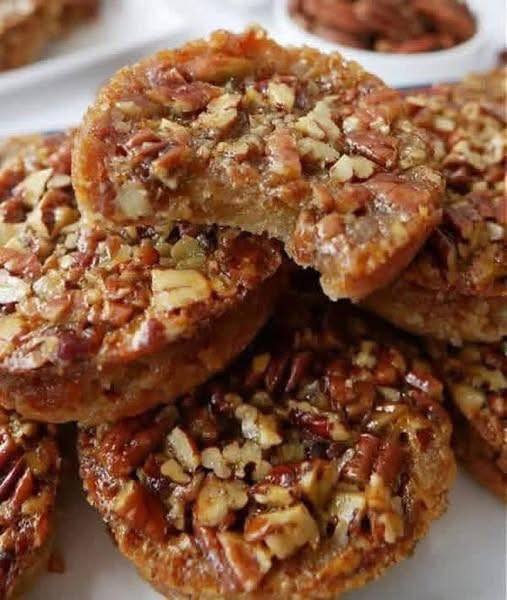
There’s something undeniably comforting and classic about a Pecan Sandie. These buttery, crumbly, and wonderfully nutty cookies are a timeless favorite, evoking memories of grandma’s kitchen and cozy holiday gatherings. Much like a perfectly baked shortbread, a Pecan Sandie delivers a delightful melt-in-your-mouth experience, but with the added warmth and texture of toasted pecans. They are a staple in many Southern households and a welcome treat any time of year, though they shine particularly bright during the colder months and festive seasons.
This particular Pecan Sandies recipe is designed to be as straightforward as it is delicious. We’ve focused on maximizing that rich, buttery flavor and achieving the perfect sandy texture that gives these cookies their name, all while keeping the process incredibly easy for bakers of all skill levels. The secret lies in a few key techniques: using high-quality ingredients, not overworking the dough, and a gentle bake that allows the pecans to toast beautifully within the cookie. You’ll find these cookies are not just a simple dessert; they’re a little piece of edible nostalgia, perfect for sharing with loved ones, bringing to a potluck, or simply enjoying with a warm cup of coffee or tea.
What truly sets these Pecan Sandies apart is their exquisite balance of flavors and textures. The sweet, buttery base provides the ideal canvas for the earthy, slightly bitter notes of the pecans. Each bite offers a delicate crunch followed by a tender, crumbly finish that dissolves on your tongue. They’re substantial enough to satisfy a sweet craving but light enough that you’ll be reaching for another. Whether you’re a seasoned baker or just starting your culinary journey, this recipe will guide you to create Pecan Sandies that are sure to impress and become a cherished addition to your recipe collection.
Nutritional Information
Per serving (approximate values):
- Calories: 185
- Protein: 2g
- Carbohydrates: 18g
- Fat: 12g
- Fiber: 1g
- Sodium: 85mg
Ingredients
- 1 cup (2 sticks) unsalted butter, softened
- 1/2 cup granulated sugar
- 1 teaspoon vanilla extract
- 2 cups all-purpose flour
- 1/2 teaspoon salt
- 1 cup finely chopped pecans, plus extra whole pecans for garnish (optional)
- 2 tablespoons powdered sugar, for dusting (optional)
Instructions
- Preheat your oven to 325°F (160°C). Line two baking sheets with parchment paper or silicone baking mats.
- In a large mixing bowl, using an electric mixer on medium speed, cream together the softened unsalted butter and granulated sugar until light and fluffy. This should take about 2-3 minutes. Scrape down the sides of the bowl as needed to ensure everything is well combined.
- Beat in the vanilla extract until fully incorporated.
- In a separate medium bowl, whisk together the all-purpose flour and salt.
- Gradually add the dry ingredients to the wet ingredients, mixing on low speed until just combined. Be careful not to overmix the dough, as this can lead to tough cookies. The dough should come together and be slightly crumbly but hold its shape when pressed.
- Fold in the finely chopped pecans until evenly distributed throughout the dough.
- Using a small cookie scoop (about 1.5 tablespoons) or by hand, roll the dough into 1-inch balls. Place the dough balls about 1.5 to 2 inches apart on the prepared baking sheets.
- If desired, gently press a whole pecan onto the top of each cookie dough ball before baking.
- Bake for 15-18 minutes, or until the edges are lightly golden and the centers are set. The cookies should still look pale in the center, but the edges will indicate they are done. Do not overbake, as this can make them dry.
- Remove the baking sheets from the oven and let the cookies cool on the sheets for 5 minutes before carefully transferring them to a wire rack to cool completely.
- Once completely cooled, if desired, dust the Pecan Sandies with powdered sugar using a fine-mesh sieve. This adds a lovely touch of sweetness and a classic finish.
- Serve and enjoy!
Cooking Tips and Variations
Achieving the perfect Pecan Sandie is all about technique and quality ingredients. For the best results, always use good quality unsalted butter. The flavor of butter is central to these cookies, so don’t skimp here! Ensure your butter is truly softened, not melted, as this impacts the creaming process and the final texture. Softened butter should yield slightly when pressed but still hold its shape. Overmixing the dough is a common pitfall; once the flour is added, mix only until just combined. Overmixing develops gluten, which can make your cookies tough instead of delightfully crumbly.
Chilling the dough is an optional but highly recommended step, especially if your kitchen is warm or if you find your dough is too soft to handle easily. A 30-minute chill in the refrigerator can help prevent the cookies from spreading too much during baking, resulting in a thicker, more satisfying cookie. Another tip for enhancing flavor is to lightly toast your chopped pecans before adding them to the dough. Simply spread them on a baking sheet and toast in a 300°F (150°C) oven for 5-7 minutes, or until fragrant. Let them cool completely before incorporating them into the dough. This simple step deepens their nutty flavor significantly.
For variations, consider adding a pinch of ground cinnamon or nutmeg to the flour mixture for a warm, spiced twist, particularly fitting for holiday baking. A tiny amount (1/4 teaspoon) of almond extract can also complement the pecan flavor beautifully. If you’re not a fan of pecans or want to try something different, walnuts or even macadamia nuts can be substituted. For a chocolatey touch, finely chopped white chocolate or mini chocolate chips can be folded into the dough alongside the pecans. After baking and cooling, a drizzle of melted dark chocolate can also elevate these cookies to a more decadent dessert. For a zestier cookie, add 1 teaspoon of orange or lemon zest to the butter and sugar mixture. This brightens the flavor profile and adds a lovely aromatic note.
Always use an oven thermometer to ensure your oven is at the correct temperature. Oven temperatures can vary widely, and an accurate temperature is crucial for even baking and proper texture. Rotate your baking sheets halfway through the baking time to ensure uniform browning, especially if your oven has hot spots. The cookies should be just lightly golden at the edges, and still look a bit pale in the center when they come out of the oven. They will continue to set as they cool. Resist the urge to overbake, as this will result in a dry, hard cookie rather than the desired sandy, melt-in-your-mouth texture.
Finally, for a truly professional finish, consider rolling the warm cookies in powdered sugar immediately after they come out of the oven, and then again once they are completely cool. This creates a beautiful, thick coating of sugar that adheres well and adds an extra layer of sweetness and visual appeal. This double-dusting method is often used for snowdrop or Mexican wedding cookies and works wonderfully for Pecan Sandies too.
Storage and Reheating
Pecan Sandies are excellent keepers, making them a fantastic make-ahead treat. Once your cookies have completely cooled to room temperature, store them in an airtight container. At room temperature, they will stay fresh and delicious for up to 5-7 days. To maintain their sandy texture, it’s best to store them in a single layer if possible, or separate layers with parchment paper to prevent them from sticking together. Avoid storing them with other types of cookies that might have higher moisture content, as this can affect their crispness.
For longer storage, Pecan Sandies freeze exceptionally well. Arrange the completely cooled cookies in a single layer on a baking sheet and place in the freezer for about 1-2 hours, or until solid. This flash-freezing step prevents them from sticking together. Once frozen, transfer the cookies to a freezer-safe airtight container or heavy-duty freezer bag. They can be stored in the freezer for up to 3 months. When you’re ready to enjoy them, simply remove the desired number of cookies from the freezer and let them thaw at room temperature for about 30 minutes to an hour. There’s no need to reheat them; they are delicious thawed. If you prefer them slightly warm, you can pop them in a preheated oven at 250°F (120°C) for just a few minutes, but be careful not to dry them out.
You can also freeze the raw cookie dough. Form the dough into a log, wrap it tightly in plastic wrap, and then in aluminum foil. It can be frozen for up to 3 months. When ready to bake, thaw the dough in the refrigerator overnight, then slice and bake as directed, adding a few extra minutes to the baking time if needed. Alternatively, you can scoop the dough into balls and flash freeze them on a baking sheet before transferring to a freezer bag. Bake from frozen, adding an extra 2-4 minutes to the baking time.
Frequently Asked Questions
Why are my Pecan Sandies spreading too much?
Cookies spreading too much can be due to several factors. Your butter might have been too soft or even melted when you creamed it, or your oven temperature might not be accurate (too low can cause spreading). Also, not chilling the dough can contribute to spreading. Ensure your butter is just softened, use an oven thermometer to verify temperature, and consider chilling the dough for 30 minutes before baking, especially if your kitchen is warm.
Can I make these cookies gluten-free?
Yes, you can often adapt Pecan Sandies to be gluten-free. Substitute the all-purpose flour with a 1:1 gluten-free baking flour blend that contains xanthan gum. The texture might be slightly different, but the buttery, nutty flavor will still shine through. Follow the recipe instructions as written, keeping an eye on the dough consistency as some gluten-free flours absorb liquid differently.
How can I prevent my pecans from sinking to the bottom of the cookies?
To prevent pecans from sinking, ensure they are finely chopped and lightly coated with a tablespoon of the flour mixture before being folded into the dough. This light coating helps them adhere to the dough and prevents them from settling. Also, avoid overmixing the dough once the pecans are added, as excessive mixing can cause them to sink.
My cookies are hard and dry. What went wrong?
Hard and dry cookies are typically a sign of overbaking or overworking the dough. Pecan Sandies are meant to be delicate and crumbly. Make sure to bake them only until the edges are lightly golden and the centers are just set, even if they still look a bit pale. Overmixing the dough develops gluten, leading to a tougher texture. Mix only until the flour is just incorporated.