
Introduction
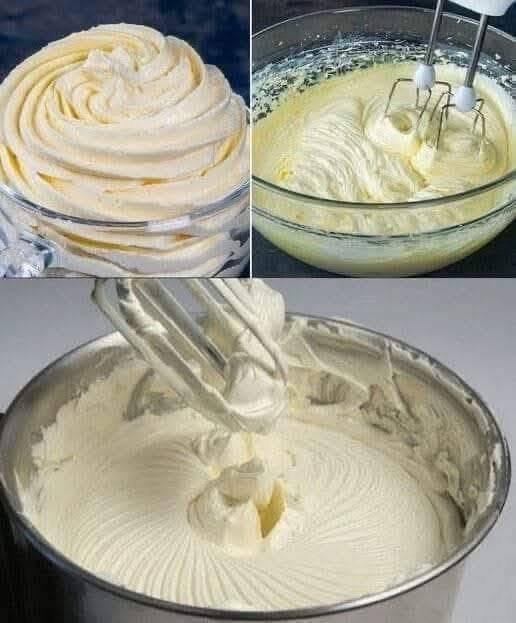
Ah, pastry cream. Just the name itself conjures images of delicate tarts, pillowy éclairs, and irresistible cream puffs. This silken, rich, and utterly luxurious custard is the backbone of countless classic desserts, a versatile filling that elevates even the simplest treat into something truly extraordinary. But let’s be honest, achieving that perfect, velvety texture and balanced flavor can sometimes feel like a culinary quest. Many home bakers shy away from making it from scratch, fearing lumps, scorching, or a consistency that’s either too runny or too stiff. Today, that all changes.
Prepare to unlock the secrets to a pastry cream so sublime, so consistently perfect, it will become your signature. We’re not just making good pastry cream; we’re making the best you’ve ever tasted, with a “secret” element that ensures unparalleled smoothness and a depth of flavor that will have everyone begging for your recipe. Forget grainy textures or bland custards – this foolproof method guarantees a pastry cream that is thick yet pourable, rich without being cloying, and infused with an exquisite vanilla aroma.
Whether you’re a seasoned baker looking to perfect your technique or a beginner eager to master a fundamental dessert component, this article is your definitive guide. We’ll walk you through every step, demystify the process, and reveal the one ingredient that will transform your pastry cream from merely delicious to absolutely divine. Get ready to impress, because your dessert game is about to reach a whole new level!
Nutritional Information
Per serving (approximate values):
- Calories: 180
- Protein: 5g
- Carbohydrates: 20g
- Fat: 10g
- Fiber: 0g
- Sodium: 60mg
Ingredients
- 2 cups (480ml) whole milk
- 1 vanilla bean, split lengthwise and scraped, OR 2 teaspoons pure vanilla extract
- 1/2 cup (100g) granulated sugar, divided
- 1/4 cup (30g) cornstarch
- 4 large egg yolks
- 2 tablespoons (28g) unsalted butter, cold and cut into small pieces
- 1/4 teaspoon fine sea salt
- 1 tablespoon (15ml) heavy cream (the ‘secret’ ingredient)
Instructions
- In a medium-sized heavy-bottomed saucepan, combine the whole milk and the scraped vanilla bean (or vanilla extract if using). If using a vanilla bean, bring the milk mixture to a gentle simmer over medium heat, stirring occasionally. Once it reaches a simmer, remove it from the heat, cover, and let it steep for 15-20 minutes to infuse the vanilla flavor. If using vanilla extract, simply heat the milk to a gentle simmer and remove from heat immediately.
- While the milk is steeping (or heating), in a separate medium bowl, whisk together half of the granulated sugar (1/4 cup or 50g), the cornstarch, and the egg yolks until the mixture is pale yellow and smooth. This is your “yolk mixture.” The cornstarch is crucial here as it will act as our primary thickener, ensuring a stable and creamy final product.
- Once the milk has steeped (or is hot), remove the vanilla bean pod if using. Slowly temper the hot milk into the yolk mixture. To do this, gradually pour a small amount (about 1/2 cup) of the hot milk into the yolk mixture while continuously whisking vigorously. This step slowly raises the temperature of the egg yolks, preventing them from scrambling when they hit the rest of the hot milk.
- Pour the tempered yolk mixture back into the saucepan with the remaining hot milk. Add the remaining 1/4 cup (50g) of granulated sugar and the fine sea salt.
- Return the saucepan to medium heat. Whisk continuously and vigorously, scraping the bottom and sides of the pan, for 5-8 minutes. The mixture will start to thicken considerably. It’s important to keep whisking to prevent lumps and ensure even cooking. Continue to cook until the mixture is very thick and coats the back of a spoon, and you see a few large bubbles “burp” on the surface, indicating it has boiled for a moment. This boiling step is critical to activate the cornstarch and ensure the pastry cream reaches its maximum thickness.
- Immediately remove the saucepan from the heat. Add the cold unsalted butter, cut into small pieces, and whisk until the butter is fully melted and incorporated, making the pastry cream incredibly smooth and glossy. The cold butter helps to cool the mixture slightly and adds richness.
- Now for the “secret” ingredient: add the tablespoon of heavy cream. Whisk it in until fully combined. This small addition of cold heavy cream at the end not only adds an extra layer of lusciousness but also slightly cools the cream and contributes to an even silkier, more stable texture, helping to prevent a skin from forming and adding a subtle richness that truly elevates the flavor profile.
- Pour the finished pastry cream into a clean, shallow bowl or baking dish. This helps it cool more quickly and evenly.
- Cover the surface of the pastry cream directly with plastic wrap, pressing it down so it touches the entire surface. This prevents a “skin” from forming as it cools, which can lead to lumps.
- Refrigerate for at least 3-4 hours, or preferably overnight, until thoroughly chilled and set. The pastry cream will thicken further as it cools.
- Before using, give the chilled pastry cream a good whisk with a spatula or hand mixer to loosen it up and restore its smooth, creamy texture.
Cooking Tips and Variations
To ensure your pastry cream is always a triumph, here are some invaluable tips and exciting variations:
- Use a Heavy-Bottomed Saucepan: This is crucial for even heat distribution and prevents scorching, especially important when cooking custards.
- Whisk, Whisk, Whisk: Constant and vigorous whisking is your best friend when making pastry cream. It prevents lumps, ensures even cooking, and helps aerate the mixture for a smoother result. Don’t stop!
- Temper with Care: Pouring the hot milk into the egg yolks slowly while whisking is non-negotiable. If you add it too quickly, you’ll end up with scrambled eggs.
- Don’t Skimp on Cooking Time: Many recipes undercook pastry cream. It needs to reach a full boil for a minute or so to fully activate the cornstarch and ensure it sets properly. Look for those “burping” bubbles.
- The “Secret” Cream: The addition of a small amount of cold heavy cream at the end is a game-changer. It adds richness, improves texture, and helps stabilize the cream. Don’t skip it!
- Cover Directly with Plastic Wrap: This is essential to prevent a rubbery skin from forming on the surface as it cools.
- Chill Thoroughly: Pastry cream needs ample time in the refrigerator to fully set and achieve its perfect consistency. Rushing this step will result in a runny cream.
- Revive Before Using: After chilling, pastry cream can become quite firm. A good whisking (by hand or with a mixer) will bring it back to its smooth, pipeable consistency.
Flavor Variations:
- Chocolate Pastry Cream: Once the hot pastry cream is removed from the heat and the butter is incorporated, whisk in 4 ounces (113g) of finely chopped dark or semi-sweet chocolate until melted and smooth. The residual heat will melt the chocolate beautifully.
- Coffee Pastry Cream: Dissolve 1-2 tablespoons of instant espresso powder or strong instant coffee granules into the hot milk mixture before tempering.
- Citrus Pastry Cream: Add 1-2 strips of orange or lemon zest to the milk while it’s heating. Remove the zest before tempering. For an extra zing, whisk in 1-2 tablespoons of fresh citrus juice after the butter is incorporated, adjusting to taste.
- Nutty Pastry Cream: Infuse the milk with a tablespoon of almond extract along with the vanilla, or add 1/4 cup of finely ground toasted nuts (like pistachios or hazelnuts) after the cream has cooked and cooled slightly.
- Spiced Pastry Cream: Add a pinch of cinnamon, nutmeg, or cardamom to the milk while it’s heating for a warm, aromatic twist.
Storage and Reheating
Proper storage is key to maintaining the freshness and quality of your homemade pastry cream.
- Storage: Always store pastry cream in an airtight container in the refrigerator. Ensure the surface is covered directly with plastic wrap to prevent a skin from forming and to keep it from absorbing odors from other foods.
- Shelf Life: Homemade pastry cream, due to its egg and dairy content, is best consumed within 3-4 days when stored properly in the refrigerator.
- Freezing: While technically possible, freezing pastry cream is generally not recommended. The texture can become grainy and watery after thawing due to the separation of the emulsion. If you must freeze it, whisk it thoroughly after thawing to try and restore some of its texture, but be aware it won’t be as smooth as freshly made.
- Reheating: Pastry cream is not typically reheated for serving as a warm custard. It is almost always used chilled. If it has become too stiff in the refrigerator, simply whisk it vigorously by hand or with an electric mixer for a minute or two until it returns to a smooth, pipeable consistency. Do not heat it to soften, as this can break the emulsion and make it runny.
Frequently Asked Questions
Why did my pastry cream turn out lumpy?
Lumps in pastry cream are typically caused by two main issues: not whisking continuously and vigorously enough while it’s cooking, or not tempering the egg yolks properly. Always keep that whisk moving, especially as the cream starts to thicken, and remember to slowly add the hot milk to the egg mixture, constantly whisking, to avoid scrambling the yolks.
Can I make this pastry cream dairy-free?
While this specific recipe relies on whole milk and butter for its rich texture, you can experiment with dairy-free alternatives. Use a high-fat plant-based milk like full-fat coconut milk (from a can, not carton) or oat milk, and dairy-free butter. The flavor and texture will be slightly different, but it can still yield a delicious dairy-free custard. Avoid low-fat plant milks as they won’t provide the necessary richness.
My pastry cream is too thin; what went wrong?
If your pastry cream is too thin, it’s most likely due to insufficient cooking. The cornstarch needs to reach a full boil for about a minute to fully activate its thickening power. Don’t be afraid to let it bubble and “burp” vigorously on the stove while whisking. Another reason could be inaccurate measurements, so always measure your cornstarch carefully. Unfortunately, it’s difficult to thicken it once it has cooled without compromising texture, so always aim for proper cooking the first time.