
Introduction
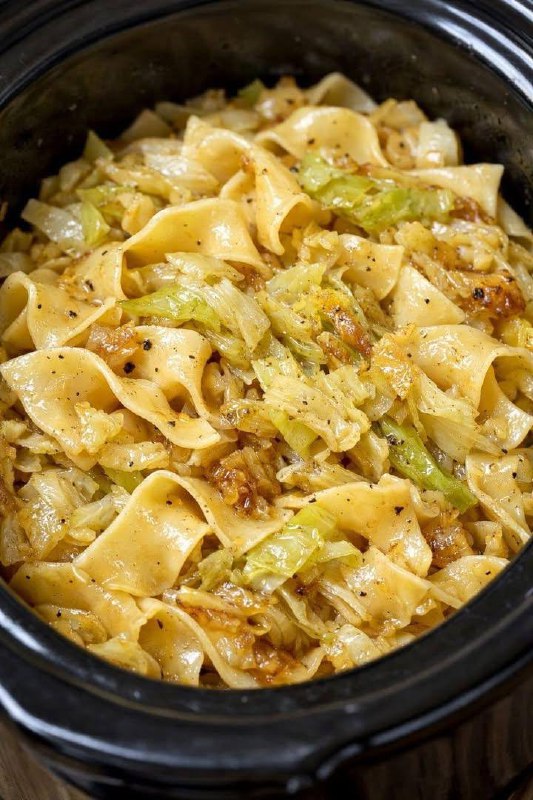
There’s something inherently comforting about a bowl of cabbage and noodles. It’s a dish that evokes memories of home-cooked meals, simple ingredients transformed into something truly satisfying. This classic, often known as Haluski in its Eastern European variations, is a testament to how humble vegetables and pasta can create a rich, flavorful, and incredibly fulfilling experience. While traditionally made on the stovetop, we’re taking a beloved shortcut today that will change your weeknight dinner game: the slow cooker.
Imagine coming home after a long day to the warm, savory aroma of tender cabbage and perfectly cooked noodles, all without having lifted a finger for hours. That’s the magic of this Slow Cooker Cabbage and Noodles recipe. It transforms a hearty, budget-friendly meal into a hands-off culinary delight. The slow cooker works its magic, coaxing out the natural sweetness of the cabbage and allowing all the flavors to meld together beautifully, creating a depth that traditional methods often require more active attention to achieve.
This recipe isn’t just about convenience; it’s about maximizing flavor and achieving an unparalleled tenderness in the cabbage that simply melts in your mouth. Whether you’re looking for a comforting side dish, a hearty vegetarian main, or a versatile base to build upon, this slow cooker version delivers every time. Get ready to discover your new favorite way to enjoy this timeless classic.
Nutritional Information
Per serving (approximate values):
- Calories: 380
- Protein: 14g
- Carbohydrates: 55g
- Fat: 12g
- Fiber: 7g
- Sodium: 650mg
Ingredients
- 1 large head green cabbage (approx. 2-3 lbs), cored and thinly sliced or shredded
- 1 large yellow onion, thinly sliced
- 4 tablespoons unsalted butter, divided
- 1 teaspoon salt, or to taste
- ½ teaspoon black pepper, or to taste
- ½ teaspoon garlic powder
- ¼ teaspoon caraway seeds (optional, but highly recommended)
- 2 cups vegetable or chicken broth
- 12 ounces wide egg noodles
- 2 tablespoons fresh parsley, chopped (for garnish, optional)
Instructions
- Melt 2 tablespoons of butter in a large skillet over medium heat. Add the sliced onion and cook, stirring occasionally, until softened and lightly caramelized, about 8-10 minutes. This step is crucial for developing deep flavor.
- Add the shredded cabbage to the skillet with the onions. Cook for another 5-7 minutes, stirring frequently, until the cabbage begins to soften and wilt slightly. This pre-wilting helps it fit better in the slow cooker and jumpstarts the cooking process.
- Transfer the cabbage and onion mixture to a 6-quart or larger slow cooker.
- Sprinkle the salt, black pepper, garlic powder, and caraway seeds (if using) evenly over the cabbage mixture. Stir gently to combine.
- Pour the vegetable or chicken broth over the cabbage.
- Cover the slow cooker and cook on low for 4-6 hours, or on high for 2-3 hours, until the cabbage is very tender. The exact cooking time will depend on your slow cooker and how finely the cabbage is shredded.
- About 30-45 minutes before serving, melt the remaining 2 tablespoons of butter in a large pot. Add the wide egg noodles and cook according to package directions until al dente. Drain the noodles thoroughly.
- Once the cabbage is tender, stir the cooked and drained egg noodles into the slow cooker with the cabbage mixture. Stir gently to combine everything well.
- Taste and adjust seasonings as needed. You may want to add more salt or pepper.
- Serve hot, garnished with fresh chopped parsley if desired.
Cooking Tips and Variations
For the best flavor, don’t skip sautéing the onions first. This step caramelizes them, adding a depth of sweetness and savoriness that raw onions won’t provide. If you’re really short on time, you can add raw onions directly to the slow cooker, but the flavor won’t be as rich.
The key to perfect noodles is adding them at the very end. Cooking them separately and then stirring them in prevents them from becoming mushy and overcooked in the slow cooker. If you were to add them at the beginning, they would absorb too much liquid and turn into a paste.
For a richer, more savory flavor, consider using bacon grease instead of butter to sauté the onions and cabbage. You can also cook 4-6 slices of bacon until crispy, crumble it, and stir it into the dish at the end, reserving some for garnish.
To make this a heartier meal, brown 1 pound of ground beef, ground turkey, or sliced kielbasa and add it to the slow cooker along with the cabbage and onions. If using kielbasa, you can slice and brown it slightly before adding for extra flavor.
Add a splash of apple cider vinegar or white vinegar (about 1-2 tablespoons) to the slow cooker with the noodles. This brightens up the flavors and adds a pleasant tang that cuts through the richness, balancing the dish beautifully.
Experiment with herbs and spices. While caraway seeds are traditional and wonderful, you could also try a pinch of dried thyme or a bay leaf added to the slow cooker for an extra layer of aroma. A smoky paprika can also be a delicious addition.
If you prefer a creamier texture, stir in a dollop of sour cream or cream cheese (about ¼ cup) right before serving. This will add a lovely richness and tang.
For a vegetarian version, ensure you use vegetable broth. This dish is naturally vegetarian and incredibly satisfying on its own.
Don’t overcrowd your slow cooker. Cabbage cooks down significantly, but if your slow cooker is too full at the beginning, it might not cook evenly. A 6-quart slow cooker is ideal for this recipe size.
Storage and Reheating
This Slow Cooker Cabbage and Noodles dish stores beautifully, making it an excellent option for meal prep or enjoying leftovers. Once cooled, transfer any remaining cabbage and noodles to an airtight container. It will keep well in the refrigerator for up to 3-4 days.
To reheat, individual portions can be warmed in the microwave for 1-2 minutes, stirring halfway through, until heated through. For larger quantities, you can reheat the dish gently in a pot on the stovetop over medium-low heat, stirring occasionally. If it seems a little dry, you can add a splash of water or broth to help loosen it up. Avoid overheating, as this can make the noodles mushy. This dish does not freeze particularly well due to the noodles, which tend to become soft and unpleasant in texture after thawing.
Frequently Asked Questions
Can I use a different type of cabbage?
While green cabbage is traditional and works best for its texture and mild sweetness, you can experiment with other varieties. Napa cabbage would cook down even faster and have a slightly different texture. Red cabbage could also be used, but be aware that it will impart a purplish hue to the dish.
My cabbage and noodles seem a bit bland. What can I do?
Seasoning is key! Taste before serving and don’t be afraid to add more salt and pepper, or even a pinch of garlic powder. A splash of apple cider vinegar at the end can also brighten up the flavors significantly. If you’re looking for more depth, ensure you properly caramelize your onions at the start. A bit of smoked paprika or a dash of hot sauce can also add a nice kick.
Can I add the noodles directly to the slow cooker without cooking them separately?
It is generally not recommended to add UNCOOKED noodles directly into the slow cooker for the entire cooking time. They tend to absorb too much liquid and turn mushy or even disintegrate. If you absolutely must, you could try adding them uncooked during the last 30-60 minutes of cooking with additional broth, but the texture might not be ideal. Cooking them separately and stirring them in at the end provides the best texture.
Is this dish gluten-free?
As written, this recipe is not gluten-free due to the wide egg noodles, which are made from wheat. However, you can easily make it gluten-free by substituting the egg noodles with your favorite gluten-free pasta. Simply cook the gluten-free pasta separately according to package directions and stir it in at the end, just as you would with regular noodles.