
Introduction
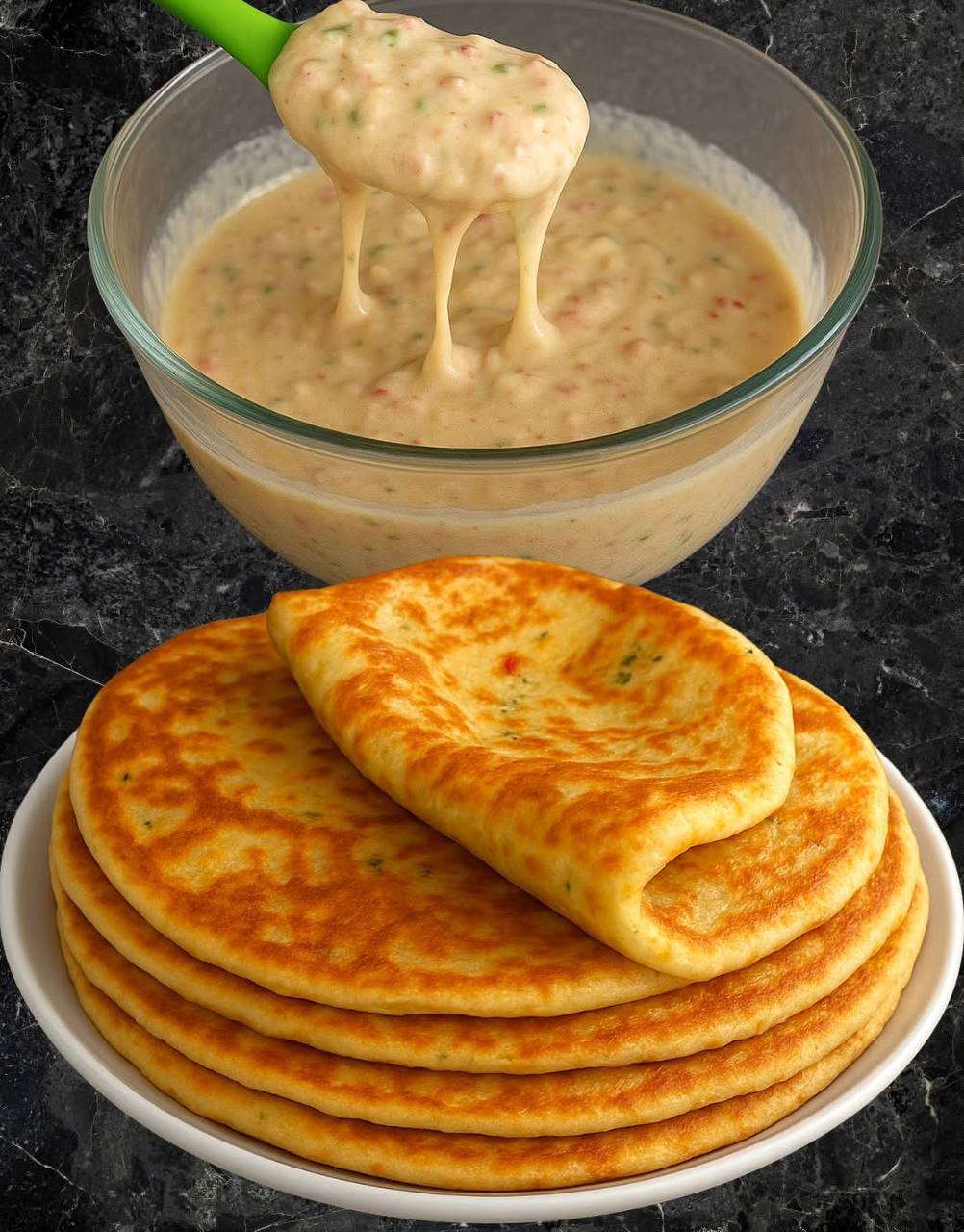
Get ready to revolutionize your mealtime with a dish that’s as vibrant as it is versatile: Vegetable Tortillas! Forget bland, store-bought flatbreads; we’re diving into a world where soft, golden tortillas are not just a vehicle for flavor, but bursting with it themselves. Imagine tender, pliable flatbreads infused with finely chopped vegetables, creating a delightful texture and a pop of color in every bite. These aren’t your average tortillas; they’re a celebration of fresh produce, designed to elevate any meal from simple to spectacular.
These homemade vegetable tortillas are a true culinary chameleon. Whether you’re looking for a healthy and satisfying snack, a creative side dish, or the perfect base for an unforgettable meal, these flatbreads deliver. Their inherent deliciousness makes them ideal for dipping into creamy sauces, transforming into hearty wraps, or even serving as a unique breakfast component. They’re incredibly customizable, allowing you to incorporate your favorite vegetables and tailor the flavors to your palate, making them a fantastic option for families, picky eaters, and adventurous foodies alike. Prepare to discover how simple ingredients can come together to create something truly extraordinary and utterly craveable.
In this comprehensive guide, we’ll walk you through every step of crafting these beautiful vegetable tortillas from scratch, ensuring a delicious and rewarding experience. We’ll cover everything from selecting the freshest ingredients to mastering the pan-frying technique for that perfect golden-brown finish. Plus, we’ll provide an irresistible creamy dipping sauce recipe that complements the tortillas flawlessly, along with a plethora of serving suggestions and variations to unleash your culinary creativity. Get ready to impress your taste buds and your dinner guests with these delightful, wholesome, and incredibly flavorful vegetable delights!
Nutritional Information
Per serving (approximate values):
- Calories: 280
- Protein: 9g
- Carbohydrates: 40g
- Fat: 10g
- Fiber: 4g
- Sodium: 350mg
Ingredients
For the Vegetable Tortillas:
- 2 cups all-purpose flour, plus more for dusting
- 1 teaspoon baking powder
- 1/2 teaspoon salt
- 1/4 cup finely grated carrots (about 1 medium carrot)
- 1/4 cup finely chopped spinach or kale
- 1/4 cup finely chopped red bell pepper
- 2 tablespoons olive oil, plus more for cooking
- 3/4 cup warm water (approximately, may need more or less)
For the Creamy Dipping Sauce:
- 1 tablespoon olive oil
- 1/4 cup finely chopped yellow onion
- 1 clove garlic, minced
- 1/2 cup vegetable broth
- 1/2 cup heavy cream (or half-and-half for a lighter option)
- 1/4 cup grated Parmesan cheese (optional, but highly recommended)
- 2 tablespoons finely chopped fresh parsley
- 1 tablespoon finely chopped fresh chives
- 1/4 teaspoon black pepper
- Salt to taste
Instructions
Part 1: Making the Vegetable Tortilla Dough
- In a large mixing bowl, whisk together the all-purpose flour, baking powder, and salt. Ensure these dry ingredients are well combined to help with even leavening.
- Add the finely grated carrots, finely chopped spinach (or kale), and finely chopped red bell pepper to the dry ingredients. Use your hands or a spoon to thoroughly mix the vegetables into the flour mixture, ensuring they are evenly distributed. This helps prevent clumping and ensures every bite has vegetable goodness.
- Pour in the 2 tablespoons of olive oil. Begin to incorporate it into the flour mixture with your fingertips, rubbing the oil into the flour until the mixture resembles coarse crumbs.
- Gradually add the warm water, about 1/4 cup at a time, mixing with a spoon or your hands. Continue adding water until a shaggy dough forms. The dough should come together but might still be a little sticky.
- Turn the dough out onto a lightly floured surface. Knead the dough for 5-7 minutes, until it becomes smooth and elastic. If the dough is too sticky, add a very small amount of flour; if it’s too dry, add a tiny bit more warm water, a teaspoon at a time. The final dough should be soft, supple, and slightly tacky but not sticking to your hands.
- Form the dough into a ball, place it back in the mixing bowl, cover it with a clean kitchen towel or plastic wrap, and let it rest at room temperature for at least 30 minutes. This resting period is crucial as it allows the gluten to relax, making the dough easier to roll out and resulting in more tender tortillas.
Part 2: Forming and Cooking the Tortillas
- Once the dough has rested, divide it into 8-10 equal portions. Roll each portion into a smooth ball.
- Lightly flour your work surface and a rolling pin. Take one dough ball and roll it out into a thin, approximately 6-7 inch diameter circle. Aim for a thickness of about 1/8 inch. Try to keep the edges as even as possible. Repeat with the remaining dough balls. If the dough springs back, let it rest for a minute or two before continuing to roll.
- Heat a large non-stick skillet or cast-iron griddle over medium-high heat. Do not add oil to the pan initially. Allow the pan to get hot, but not smoking.
- Once the pan is hot, place one rolled-out tortilla into the dry skillet. Cook for about 60-90 seconds on the first side, or until you see small bubbles forming on the surface and the underside has golden-brown spots.
- Flip the tortilla and cook for another 30-60 seconds on the second side, until it’s also speckled with golden-brown spots and cooked through. The tortilla should be pliable and soft.
- Transfer the cooked tortilla to a plate and cover it with a clean kitchen towel to keep it warm and soft while you cook the remaining tortillas. If desired, you can lightly brush the cooked tortillas with a tiny bit of olive oil or melted butter for extra flavor and moisture.
- Repeat the cooking process with the remaining dough balls.
Part 3: Preparing the Creamy Dipping Sauce
- Heat 1 tablespoon of olive oil in a small saucepan or skillet over medium heat.
- Add the finely chopped yellow onion to the pan and sauté for 3-4 minutes, until it softens and becomes translucent.
- Add the minced garlic to the pan and cook for another minute until fragrant, being careful not to burn it.
- Pour in the vegetable broth and bring it to a gentle simmer. Let it cook for 2-3 minutes to reduce slightly and concentrate the flavors.
- Stir in the heavy cream (or half-and-half) and bring the sauce back to a gentle simmer. Reduce the heat to low and let it cook for 3-5 minutes, stirring occasionally, until the sauce thickens slightly to your desired consistency.
- Remove the saucepan from the heat. Stir in the grated Parmesan cheese (if using), finely chopped fresh parsley, finely chopped fresh chives, and black pepper. Stir until the cheese is melted and fully incorporated.
- Taste the sauce and season with salt as needed. Remember that Parmesan cheese can be salty, so add salt incrementally.
- Serve the creamy dipping sauce warm alongside your freshly made vegetable tortillas.
Cooking Tips and Variations
To achieve the best results with your vegetable tortillas, pay close attention to the dough consistency. It should be soft and pliable, not overly sticky or dry. If your dough feels too wet after kneading, add a tablespoon of flour at a time until it reaches the right texture. Conversely, if it’s too stiff, add a teaspoon of warm water gradually. The resting period for the dough is non-negotiable; it allows the gluten to relax, making rolling much easier and the final tortillas more tender. For perfectly thin and even tortillas, don’t be afraid to use plenty of flour on your rolling surface and pin, and rotate the dough frequently as you roll.
When cooking, ensure your pan is adequately hot before adding the first tortilla. A hot pan helps create those beautiful golden-brown spots and ensures even cooking. Avoid overcrowding the pan; cook one tortilla at a time for optimal results. If your tortillas are coming out stiff or dry, your heat might be too high, or you might be cooking them for too long. Aim for a quick cook on each side to keep them soft and pliable. Covering the cooked tortillas with a towel is key to trapping steam and maintaining their tender texture.
The beauty of these vegetable tortillas lies in their versatility. Feel free to experiment with different vegetables in the dough. Grated zucchini (squeeze out excess moisture first), finely chopped corn kernels, or even a mix of finely diced bell peppers can work wonderfully. For a vibrant green hue and an extra nutrient boost, increase the amount of finely chopped spinach or add some finely chopped kale. You can also play with seasonings in the dough, adding a pinch of garlic powder, onion powder, or a dash of mild chili powder for an extra layer of flavor.
The creamy dipping sauce also offers a canvas for creativity. For a spicier kick, add a pinch of red pepper flakes or a dash of hot sauce. You could swap Parmesan for another melting cheese like Monterey Jack or cheddar for a different flavor profile. For a lighter, tangier dip, consider using Greek yogurt or sour cream as the base, perhaps mixed with fresh dill and cucumber for a tzatziki-inspired sauce. A vibrant salsa or a simple herb-infused olive oil would also make excellent accompaniments. Don’t be afraid to make this recipe your own!
Storage and Reheating
Cooked vegetable tortillas can be stored in an airtight container or a resealable plastic bag at room temperature for up to 2 days, or in the refrigerator for up to 4 days. If storing in the refrigerator, it’s a good idea to place a small piece of parchment paper between each tortilla to prevent them from sticking together. The creamy dipping sauce should always be stored separately in an airtight container in the refrigerator and is best consumed within 3-4 days.
To reheat the tortillas, you have a few options. For the best results and to regain their soft texture, gently warm them in a dry skillet over medium-low heat for 30-60 seconds per side, until heated through and pliable. You can also wrap them in a damp paper towel and microwave them for 15-30 seconds, or until warm. Avoid overheating, as this can make them tough. The dipping sauce can be gently reheated in a small saucepan over low heat, stirring frequently, until warm. If it becomes too thick, you can add a tablespoon or two of milk or broth to thin it out to your desired consistency.
Frequently Asked Questions
Can I make the tortilla dough ahead of time?
Yes, absolutely! You can prepare the tortilla dough, cover it tightly with plastic wrap, and refrigerate it for up to 24 hours. Before rolling and cooking, allow the dough to come to room temperature for about 30 minutes to an hour. This will make it much easier to work with and ensure your tortillas are tender.
What if my tortillas are tough or crispy instead of soft?
If your tortillas are coming out tough or crispy, there are a few potential reasons. First, you might be using too much flour when rolling, which can dry out the dough. Second, the pan might be too hot or you might be cooking them for too long on each side. Aim for medium-high heat and cook just until golden spots appear and the tortilla puffs slightly, usually 60-90 seconds per side. Overcooking will dry them out. Also, ensure you’re covering the cooked tortillas with a towel to trap steam and keep them soft.
Can I use different types of flour for the tortillas?
While all-purpose flour provides the best texture for soft, pliable tortillas, you can experiment with partial substitutions. For a healthier option, you could use a 1:1 ratio of all-purpose flour to whole wheat flour, but note that this might result in a slightly denser tortilla. Gluten-free flour blends can also be used, but the texture and elasticity will vary significantly, and you may need to adjust the water content and resting time.
How can I make this recipe vegan?
To make the vegetable tortillas vegan, simply ensure your olive oil is plant-based and no animal products are used in any additional seasonings. For the creamy dipping sauce, substitute the heavy cream with full-fat coconut milk (for a richer sauce) or a plant-based unsweetened milk alternative (like oat or soy milk), and omit the Parmesan cheese or use a vegan Parmesan substitute. Ensure your vegetable broth is also vegan.