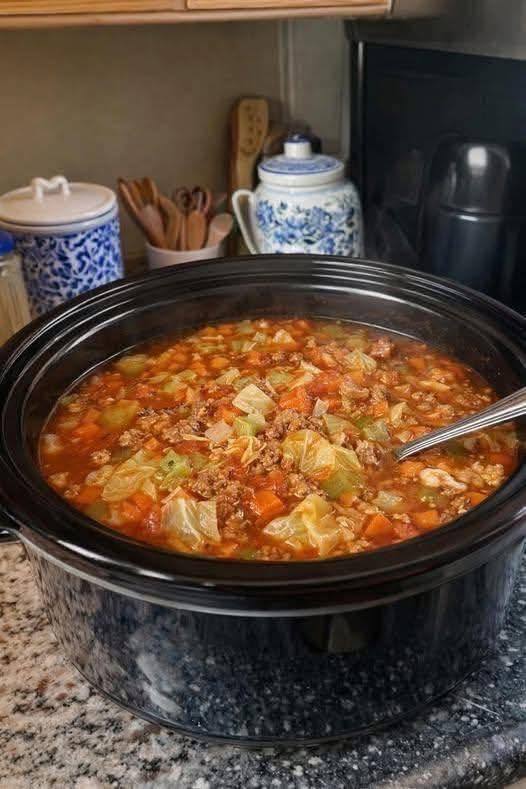


Introduction
There’s something undeniably comforting about a casserole. It’s the kind of dish that warms you from the inside out, evokes feelings of home, and brings everyone to the table with eager anticipation. This Savory Vegetable Casserole is no exception, taking all the best qualities of a classic comfort food and elevating them with a vibrant array of fresh vegetables and a rich, cheesy embrace. Forget bland, watery vegetable dishes; this casserole is bursting with flavor, boasting tender vegetables, a creamy base, and a perfectly golden, bubbly topping that promises deliciousness in every forkful.
What makes this particular casserole shine is its incredible versatility and ease of preparation. Whether you’re a seasoned chef or a kitchen novice, you’ll find this recipe straightforward and rewarding. It’s the ideal candidate for a weeknight family dinner, a potluck showstopper, or a hearty side dish for a holiday feast. Beyond its delicious taste, it’s a fantastic way to incorporate more vegetables into your diet, and it’s easily adaptable to various dietary needs, including vegetarian, gluten-free, and even dairy-free options. Get ready to discover your new favorite way to enjoy vegetables!
This casserole truly stands out because it masterfully balances savory flavors with delightful textures. Imagine soft, perfectly cooked vegetables mingling with a luscious, cheesy custard, all crowned with a slightly crisp, golden brown crust. It’s a symphony of tastes and sensations that will have even the most ardent vegetable skeptics asking for seconds. It’s a dish that feels special enough for guests but simple enough for a casual meal, making it a true culinary chameleon. Prepare to fall in love with this wonderfully satisfying and effortlessly elegant Savory Vegetable Casserole.
Nutritional Information
Per serving (approximate values):
- Calories: 320
- Protein: 18g
- Carbohydrates: 25g
- Fat: 17g
- Fiber: 6g
- Sodium: 580mg
Ingredients
- 2 tablespoons olive oil
- 1 large yellow onion, chopped
- 2 cloves garlic, minced
- 1 head broccoli, cut into small florets (about 3 cups)
- 2 medium zucchini, diced
- 1 cup green beans, trimmed and halved
- 1 cup sliced carrots
- 1 cup fresh spinach, roughly chopped
- 1 teaspoon dried Italian herbs
- 1/2 teaspoon salt
- 1/4 teaspoon black pepper
- 4 large eggs
- 1 1/2 cups whole milk (or half-and-half for richer results)
- 1/2 cup grated Parmesan cheese, plus 1/4 cup for topping
- 1 cup shredded sharp cheddar cheese, plus 1/2 cup for topping
- 1/4 cup plain breadcrumbs (optional, for topping)
Instructions
- Preheat your oven to 375°F (190°C). Lightly grease a 9×13 inch baking dish.
- Heat olive oil in a large skillet or Dutch oven over medium heat. Add the chopped onion and cook until softened, about 5-7 minutes. Add the minced garlic and cook for another minute until fragrant.
- Add the broccoli florets, diced zucchini, green beans, and sliced carrots to the skillet. Cook for 8-10 minutes, stirring occasionally, until the vegetables are slightly tender-crisp. You want them to retain a little bite as they will continue to cook in the oven.
- Stir in the fresh spinach, Italian herbs, salt, and black pepper. Cook for 1-2 minutes until the spinach wilts. Remove the skillet from the heat.
- In a large bowl, whisk together the eggs, whole milk (or half-and-half), 1/2 cup grated Parmesan cheese, and 1 cup shredded sharp cheddar cheese until well combined.
- Spread the cooked vegetable mixture evenly into the prepared baking dish.
- Pour the egg and cheese mixture over the vegetables, ensuring it’s distributed as evenly as possible. Gently shake the dish to help the custard settle.
- In a small bowl, combine the remaining 1/4 cup Parmesan cheese, 1/2 cup shredded cheddar cheese, and the optional 1/4 cup breadcrumbs. Sprinkle this topping evenly over the casserole.
- Bake for 30-40 minutes, or until the casserole is set, golden brown on top, and bubbly around the edges. A knife inserted into the center should come out mostly clean.
- Remove the casserole from the oven and let it rest for 5-10 minutes before serving. This allows the casserole to set further and makes for cleaner slices.
Cooking Tips and Variations
For the best results with your Savory Vegetable Casserole, always start with fresh, high-quality vegetables. While the recipe suggests a specific mix, feel free to adapt it to what’s in season or what you have on hand. Root vegetables like diced sweet potato or parsnips can add a lovely sweetness and earthiness, but they might require a slightly longer sautéing time to soften. For a creamier texture, consider adding a couple of tablespoons of cream cheese or a dollop of ricotta to your egg mixture. This will enrich the custard and make it even more decadent. To prevent your casserole from becoming watery, especially with high-moisture vegetables like zucchini, you can lightly salt them after chopping and let them sit for 15-20 minutes, then pat them dry with a paper towel before adding them to the skillet. This draws out excess moisture, concentrating their flavor and preventing a soggy casserole. Don’t be afraid to experiment with herbs; fresh thyme, rosemary, or even a sprinkle of red pepper flakes can introduce new dimensions of flavor. For an extra crispy topping, increase the amount of breadcrumbs and mix them with a tablespoon of melted butter before sprinkling over the cheese layer.
The beauty of this casserole lies in its adaptability. If you’re looking to add protein, cooked and shredded chicken, crumbled sausage, or even pan-fried tofu cubes can be stirred into the vegetable mixture before adding the egg custard. For a vegetarian main course, consider adding a can of drained cannellini beans or chickpeas for extra bulk and protein. To make this casserole gluten-free, simply omit the breadcrumbs or use gluten-free breadcrumbs. For a dairy-free version, substitute the milk with a plain, unsweetened plant-based milk (like almond or oat milk), and use your favorite dairy-free shredded cheeses. Nutritional yeast can also be added to dairy-free versions for a cheesy flavor boost. You can also vary the cheese types; a blend of Gruyere, Monterey Jack, or even a smoky provolone can dramatically change the flavor profile. For an elegant touch, a sprinkle of fresh chopped parsley or chives after baking adds a pop of color and freshness. Always remember to let your casserole rest for a few minutes after baking; this allows the custard to firm up, making it easier to slice and preventing it from falling apart when served. This resting time is crucial for achieving that perfect, cohesive slice.
Storage and Reheating
To store any leftover Savory Vegetable Casserole, first allow it to cool completely to room temperature. Once cooled, cover the baking dish tightly with plastic wrap or aluminum foil, or transfer individual portions to airtight containers. The casserole can be stored in the refrigerator for up to 3-4 days. For longer storage, this casserole freezes remarkably well. Once cooled, you can either freeze the entire casserole in its baking dish (if freezer-safe and tightly covered) or cut it into individual portions and wrap each piece securely in plastic wrap, then aluminum foil, before placing them in a freezer-safe bag or container. Frozen casserole will keep for up to 2-3 months.
When reheating, if refrigerated, you can gently warm individual slices in the microwave for 1-2 minutes until heated through. For larger portions or the entire casserole, preheat your oven to 325°F (160°C). Place the casserole (covered with foil to prevent drying out) in the oven and bake for 15-25 minutes, or until heated through. Remove the foil for the last 5 minutes if you want to crisp up the topping. If reheating from frozen, it’s best to thaw the casserole in the refrigerator overnight before reheating in the oven as described above. Alternatively, you can reheat directly from frozen in a 350°F (175°C) oven, covered with foil, for 45-60 minutes, or until heated through. Again, uncover for the last 10-15 minutes to allow the topping to crisp.
Frequently Asked Questions
Can I prepare this casserole ahead of time?
Absolutely! This casserole is a fantastic make-ahead dish. You can assemble the entire casserole, including the topping, up to 24 hours in advance. Cover it tightly with plastic wrap and refrigerate. When ready to bake, remove it from the refrigerator and let it sit at room temperature for about 30 minutes while your oven preheats. You might need to add an extra 5-10 minutes to the baking time since it will be starting from a colder temperature.
What are the best vegetables to use in this casserole?
The beauty of this casserole is its flexibility! While the recipe suggests broccoli, zucchini, green beans, and carrots, you can use almost any combination of vegetables you enjoy. Great additions include bell peppers (any color), mushrooms, asparagus, chopped kale, or even diced sweet potatoes. Just be mindful of cooking times; harder vegetables like carrots or potatoes may need a longer sautéing time to ensure they are tender when baked. High-moisture vegetables like mushrooms or zucchini can be lightly salted and drained to prevent a watery casserole.
How do I prevent the casserole from becoming dry?
Several factors contribute to a moist casserole. First, ensure you don’t overbake it; once the top is golden and bubbly and a knife inserted comes out mostly clean, it’s done. Overbaking will dry out the custard. Second, using whole milk or half-and-half in the egg mixture adds richness and moisture. If you prefer a richer casserole, a touch of heavy cream can be added. Finally, covering the casserole with foil for the first part of the baking process can help trap moisture, especially if your oven tends to dry things out. Remove the foil for the last 10-15 minutes to achieve that beautiful golden crust.