
Sticky Garlic Chicken Noodles
Introduction
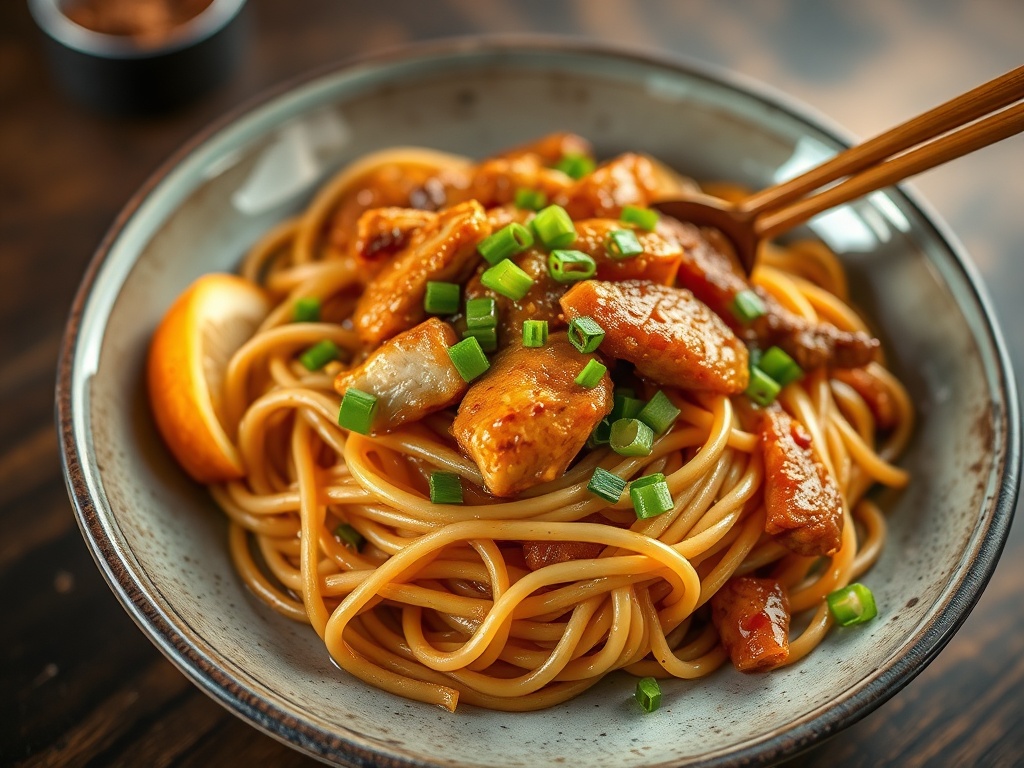
Are you tired of the same old weeknight dinner routine? Do you crave that irresistible takeout flavor without the hefty price tag or the mystery ingredients? Then get ready to ditch the delivery menu because today, we’re diving headfirst into a dish that promises to become your new kitchen obsession: Sticky Garlic Chicken Noodles! This isn’t just another chicken and noodle recipe; it’s a symphony of savory, sweet, and garlicky goodness that comes together faster than you can say “delivery, please.” Imagine tender, juicy chicken pieces, perfectly cooked noodles, all coated in a glossy, thick, and utterly addictive sauce that clings to every strand. It’s comfort food elevated, a flavor explosion that’s both deeply satisfying and surprisingly easy to whip up, making it an absolute weeknight warrior.
What makes these Sticky Garlic Chicken Noodles so special? It’s all about that crave-worthy sauce. We’re talking about a harmonious blend of fresh garlic, rich soy sauce, a touch of honey or brown sugar for that signature stickiness, bright rice vinegar, and fragrant sesame oil. This magical concoction transforms simple ingredients into a dish that tastes like it came straight from your favorite Asian restaurant. The beauty of this recipe lies in its simplicity and speed. In under 40 minutes, you can have a restaurant-quality meal on your table that will impress even the pickiest eaters. It’s the perfect solution for busy evenings when you want something flavorful and homemade without spending hours in the kitchen.
Beyond its incredible taste and quick preparation, this dish is incredibly versatile. While the star is undoubtedly the succulent chicken and the glossy noodles, you can easily customize it with your favorite vegetables, adjust the spice level to your liking, or even swap out the protein. It’s a recipe that encourages creativity and caters to various dietary preferences, making it a true crowd-pleaser. So, whether you’re feeding a family, cooking for one, or hosting friends, these Sticky Garlic Chicken Noodles are guaranteed to be a hit. Prepare yourself for a meal that’s better than takeout, packed with flavor, and so satisfying, you’ll be making it again and again.
Nutritional Information
Per serving (approximate values):
- Calories: 650
- Protein: 40g
- Carbohydrates: 80g
- Fat: 20g
- Fiber: 4g
- Sodium: 1200mg
Ingredients
- 1 pound boneless, skinless chicken thighs or breasts, cut into 1-inch pieces
- 1 tablespoon vegetable oil (or other high-heat oil)
- 12 ounces lo mein noodles, udon noodles, or egg noodles
- 4 cloves garlic, freshly minced (about 1 tablespoon)
- 1 tablespoon fresh ginger, grated (optional, but highly recommended)
- 1 cup broccoli florets (optional)
- 1/2 cup sliced bell peppers (any color, optional)
- 2 tablespoons toasted sesame seeds, for garnish
- 2 green onions, sliced, for garnish
- For the Sticky Garlic Sauce:
- 1/2 cup low-sodium soy sauce
- 1/4 cup honey or brown sugar
- 2 tablespoons rice vinegar
- 1 tablespoon sesame oil
- 1 teaspoon sriracha or chili flakes (optional, for heat)
- 1 tablespoon cornstarch
- 2 tablespoons cold water (for cornstarch slurry)
Instructions
- Prepare the Noodles: Cook the lo mein, udon, or egg noodles according to package directions until al dente. Drain well and rinse with cold water to prevent sticking. Toss with a tiny bit of sesame oil if desired, then set aside.
- Prepare the Chicken: Pat the chicken pieces dry with paper towels. Season lightly with salt and pepper.
- Make the Sticky Garlic Sauce: In a medium bowl, whisk together the soy sauce, honey (or brown sugar), rice vinegar, sesame oil, and sriracha (if using). In a separate small bowl, whisk together the cornstarch and cold water to create a slurry. Set both aside.
- Cook the Chicken: Heat 1 tablespoon of vegetable oil in a large skillet or wok over medium-high heat. Add the chicken pieces in a single layer, ensuring not to overcrowd the pan. Cook for 3-5 minutes per side, or until golden brown and cooked through. Remove the cooked chicken from the pan and set aside.
- Sauté Aromatics and Vegetables (Optional): If adding vegetables, add the minced garlic and grated ginger (if using) to the same skillet. Sauté for 30 seconds until fragrant, being careful not to burn the garlic. Add the broccoli florets and bell peppers (or any other desired vegetables) and stir-fry for 3-5 minutes until tender-crisp.
- Combine and Sauce: Return the cooked chicken to the skillet with the vegetables (if using). Give the prepared sticky garlic sauce a quick whisk, then pour it over the chicken and vegetables. Bring the sauce to a simmer.
- Thicken the Sauce: Stir the cornstarch slurry once more, then slowly pour it into the simmering sauce while stirring constantly. Continue to stir for 1-2 minutes until the sauce thickens to a glossy, sticky consistency.
- Add Noodles and Toss: Add the cooked and drained noodles to the skillet. Using tongs, toss everything together until the noodles, chicken, and vegetables are thoroughly coated in the sticky garlic sauce.
- Serve Immediately: Transfer the Sticky Garlic Chicken Noodles to serving bowls. Garnish generously with toasted sesame seeds and sliced green onions. Serve hot and enjoy!
Cooking Tips and Variations
For the absolute best results, always use fresh garlic and ginger. Their vibrant, pungent flavors are crucial to the sauce’s depth and aroma, far surpassing what dried powders can offer. When cooking the noodles, aim for al dente; they will continue to cook slightly when tossed with the hot sauce, and you don’t want them to become mushy. One of the most important techniques for stir-frying is to use high heat. This ensures that your chicken sears beautifully and your vegetables cook quickly to a tender-crisp texture, rather than steaming. Avoid overcrowding the pan; if your skillet isn’t large enough, cook the chicken and vegetables in batches to maintain high heat and achieve proper searing. The cornstarch slurry is your secret weapon for that signature “sticky” sauce. Don’t skip it, and make sure to whisk it well before adding to prevent lumps.
This recipe is incredibly adaptable, allowing you to customize it to your taste and what you have on hand. For protein swaps, consider using shrimp, thinly sliced beef, pork, or even firm tofu for a vegetarian option. Simply adjust cooking times accordingly. To boost the veggie content, feel free to add more of your favorite vegetables such as snap peas, shredded carrots, baby corn, or spinach. Incorporate them when you add the broccoli and bell peppers. If you love a bit of heat, increase the amount of chili flakes or sriracha in the sauce, or add a drizzle of chili oil at the end. For those with dietary restrictions, this dish can be made gluten-free by using tamari instead of soy sauce and ensuring your chosen noodles are gluten-free. For a low-carb or keto-friendly version, serve the sticky garlic chicken and sauce over zucchini noodles, cauliflower rice, or even a bed of fresh spinach instead of traditional noodles.
When preparing the sauce, always taste and adjust before adding it to the pan. You might find you prefer a bit more sweetness, tang, or saltiness. This small step ensures the final dish is perfectly balanced to your palate. If you’re planning ahead, the sauce can be made up to 2-3 days in advance and stored in the refrigerator. The chicken can also be pre-chopped, and vegetables prepped, saving you valuable time on a busy weeknight. Finally, for an extra layer of flavor and aroma, a quick toast of your sesame seeds in a dry pan before garnishing will make a noticeable difference.
Storage and Reheating
These Sticky Garlic Chicken Noodles make for fantastic leftovers, perfect for meal prepping or enjoying the next day. To store, allow the dish to cool completely to room temperature. Once cooled, transfer the noodles and chicken to an airtight container. They will keep well in the refrigerator for 3-4 days. For the best quality and food safety, avoid leaving them out at room temperature for more than two hours.
When it comes to reheating, you have a couple of good options to bring them back to life. For reheating in the microwave, place a single serving in a microwave-safe dish. Add a splash of water or chicken broth (about 1-2 tablespoons) to help rehydrate the noodles and sauce, preventing them from drying out. Cover the dish loosely (a microwave-safe lid or a damp paper towel works well) and heat on medium power for 1-2 minutes, stirring halfway through, until heated through. Be careful not to overheat, as this can make the chicken tough and the noodles mushy.
Alternatively, you can reheat leftovers on the stovetop. This method is excellent for maintaining texture. Heat a large skillet or wok over medium heat. Add a tablespoon of water or broth to the pan. Once hot, add the leftover noodles and chicken. Stir-fry gently for 3-5 minutes, tossing frequently, until the dish is thoroughly heated. This method helps to crisp up any slightly softened vegetables and can revive the sauce’s glossy texture. If the sauce seems too thick, you can add another tiny splash of water or broth while reheating. Always ensure the food is piping hot throughout before serving.
Frequently Asked Questions
Can I make this recipe ahead of time?
While the dish is best enjoyed fresh, you can definitely do some prep work in advance. The sticky garlic sauce can be made up to 2-3 days ahead and stored in an airtight container in the refrigerator. You can also chop the chicken and vegetables a day in advance. Cooking and assembling the full dish, however, is best done right before serving to ensure the noodles aren’t overcooked and the chicken remains tender.
What kind of noodles are best for this recipe?
Lo Mein noodles are a classic choice and work wonderfully, as do udon noodles for a thicker, chewier texture. Egg noodles (fresh or dried) are also excellent. If you can’t find these, even regular spaghetti or linguine can be a good substitute in a pinch. The key is to choose a noodle that can absorb the sauce well and hold up to stir-frying without becoming mushy.
My sauce isn’t thickening enough. What should I do?
If your sauce isn’t thickening, it’s usually because the cornstarch slurry wasn’t fully incorporated or the sauce didn’t reach a high enough simmer after adding it. Ensure your cornstarch is thoroughly mixed with cold water before adding to prevent lumps. Once added, bring the sauce to a good simmer over medium heat and stir constantly for 1-2 minutes. If it’s still too thin, you can make a small additional slurry (1 teaspoon cornstarch with 2 teaspoons cold water) and slowly whisk it into the simmering sauce until the desired consistency is reached.
Can I make this recipe vegetarian or vegan?
Absolutely! To make it vegetarian, substitute the chicken with pressed and cubed firm or extra-firm tofu, tempeh, or your favorite plant-based chicken alternative. For a vegan version, ensure your honey is replaced with maple syrup or agave nectar, and use a vegan chicken substitute. The rest of the sauce ingredients are typically vegan-friendly, but always double-check labels, especially for soy sauce, to ensure no hidden animal products.