
Introduction
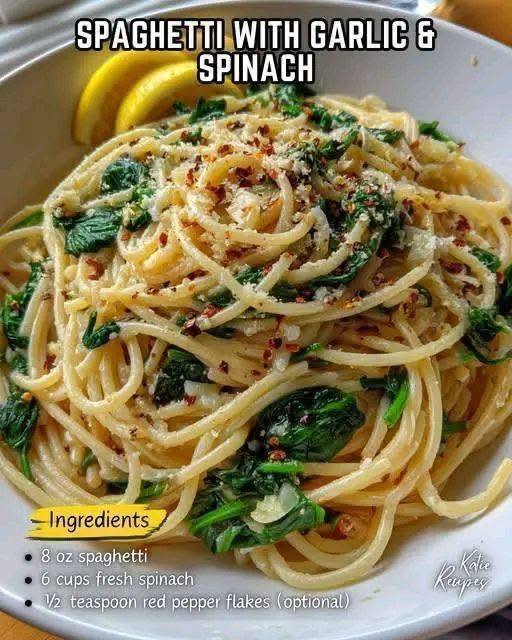
Welcome to the ultimate guide to a timeless classic: Spaghetti with Garlic and Spinach! This dish isn’t just a meal; it’s a culinary hug, a simple yet profoundly satisfying experience that brings comfort and flavor to your table. Imagine tender spaghetti intertwined with vibrant, earthy spinach and aromatic, golden garlic, all brought together by a luscious, light sauce. It’s a testament to the fact that some of the best meals are born from the fewest, freshest ingredients. Perfect for a busy weeknight or a relaxed weekend lunch, this recipe promises to deliver incredible taste without demanding hours in the kitchen.
What makes this dish a perennial favorite? Its brilliance lies in its beautiful simplicity and the harmonious balance of flavors. The pungent warmth of garlic, the fresh, slightly bitter notes of spinach, and the comforting chew of spaghetti create a symphony in every bite. This isn’t a heavily sauced pasta; instead, the magic happens with a light, emulsified sauce created from good quality olive oil and starchy pasta water, allowing the core ingredients to truly shine. While delicious on its own, its versatility is unmatched, easily adaptable to your pantry staples or dietary preferences. Whether you’re a seasoned chef or a kitchen novice, this recipe is designed to be approachable, quick, and utterly delicious.
Get ready to transform humble ingredients into a spectacular dining experience. This Spaghetti with Garlic and Spinach recipe is more than just food; it’s an invitation to savor the simple pleasures of home cooking. With minimal effort, you’ll achieve a dish that’s bursting with flavor, visually appealing, and incredibly satisfying. Prepare to impress your taste buds and perhaps even your dinner guests with this vibrant and wholesome pasta dish.
Nutritional Information
Per serving (approximate values):
- Calories: 450
- Protein: 16g
- Carbohydrates: 65g
- Fat: 14g
- Fiber: 7g
- Sodium: 380mg
Ingredients
- 8 ounces (about 225g) spaghetti (or your preferred pasta)
- 6 cups (about 5-6 ounces or 150g) fresh spinach, packed
- 4-5 cloves garlic, thinly sliced or minced
- 1/2 teaspoon red pepper flakes, optional (or to taste)
- 1/4 cup extra virgin olive oil, plus more for drizzling
- 1/2 teaspoon salt, plus more for pasta water
- 1/4 teaspoon black pepper, freshly ground
- 1/4 cup grated Parmesan cheese, plus more for serving
- 1 lemon, cut into wedges, for serving
Instructions
- Bring a large pot of salted water to a rolling boil. Add the spaghetti and cook according to package directions until al dente (firm to the bite). Before draining, reserve 1 cup of the starchy pasta water.
- While the pasta is cooking, prepare your aromatics. In a large skillet or Dutch oven, heat the 1/4 cup extra virgin olive oil over medium-low heat. Add the thinly sliced or minced garlic and red pepper flakes (if using). Sauté gently for 2-3 minutes, stirring frequently, until the garlic is fragrant and just beginning to turn golden. Be careful not to burn the garlic, as it can become bitter.
- Add the fresh spinach to the skillet with the garlic. You might need to add it in batches if your skillet isn’t large enough, as spinach wilts down significantly. Cook, stirring occasionally, until the spinach is completely wilted, which usually takes about 2-4 minutes.
- Once the spaghetti is al dente, use tongs to transfer it directly from the pot to the skillet with the garlic and spinach. Don’t worry about a little pasta water clinging to the spaghetti; it will help with the sauce.
- Add about 1/2 cup of the reserved pasta water to the skillet. Toss everything together vigorously, allowing the pasta water, olive oil, and starches from the pasta to emulsify and create a light, glossy sauce that coats the spaghetti. If the sauce seems too dry, add a little more pasta water, a tablespoon at a time, until you reach your desired consistency.
- Stir in the 1/4 cup of grated Parmesan cheese, salt, and black pepper. Toss again to combine, ensuring the cheese melts into the sauce. Taste and adjust seasoning as needed. You might want a pinch more salt or a grind of pepper.
- Serve immediately, garnished with a generous sprinkle of additional Parmesan cheese and a fresh lemon wedge on the side for squeezing over the top. A drizzle of fresh extra virgin olive oil just before serving can also enhance the flavors.
Cooking Tips and Variations
For the best Spaghetti with Garlic and Spinach, always start with high-quality ingredients. Using a good extra virgin olive oil makes a noticeable difference in the final flavor of the sauce. When cooking the garlic, keep the heat low and watch it carefully; burnt garlic can impart a bitter taste to the entire dish. Don’t rush this step. Salting your pasta water generously is crucial as it seasons the pasta from the inside out, providing a foundational layer of flavor. Aim for water that tastes “like the sea.”
The magic of this dish truly comes alive with the reserved pasta water. This starchy liquid helps to bind the oil and other ingredients, creating a creamy, emulsified sauce without the need for heavy cream. Add it gradually until you achieve the perfect consistency – a light coating on each strand of spaghetti. A squeeze of fresh lemon juice at the end brightens all the flavors and adds a zesty finish that truly elevates the dish.
This recipe is incredibly versatile and lends itself beautifully to various additions. For a protein boost, consider adding grilled chicken, sautéed shrimp, or crumbled Italian sausage. Cook the protein separately and stir it in with the pasta. To incorporate more vegetables, cherry tomatoes can be halved and added to the skillet with the spinach, or sautéed mushrooms can be mixed in. For a richer flavor, a splash of dry white wine can be added to the skillet after the garlic, allowing it to reduce before adding the spinach. A dollop of ricotta cheese stirred in at the end can also add a delightful creaminess. Don’t be afraid to experiment and make this recipe your own!
Storage and Reheating
Spaghetti with Garlic and Spinach is best enjoyed fresh, immediately after preparation, when the pasta is perfectly al dente and the sauce is at its most vibrant. However, if you have leftovers, they can be stored in an airtight container in the refrigerator for up to 3 days. It’s important to note that the pasta will continue to absorb the sauce, and the spinach may lose some of its vibrant green color and crispness upon storage.
When reheating, the key is to do so gently to prevent the pasta from becoming mushy and to revive the sauce. For best results, reheat individual portions in a skillet over medium-low heat. Add a splash of water, vegetable broth, or even a little extra olive oil to help moisten the pasta and reconstitute the sauce. Stir gently until heated through. You can also reheat it in the microwave, using short intervals and stirring between each, but the stovetop method generally yields a better texture. Avoid overheating, as this can dry out the dish and make the spinach rubbery. A fresh squeeze of lemon juice and a sprinkle of Parmesan cheese after reheating can help to refresh the flavors.
Frequently Asked Questions
What kind of spaghetti should I use?
While any spaghetti will work, a good quality bronze-die cut spaghetti will have a rougher texture, allowing the sauce to cling to it better. You can also experiment with whole wheat spaghetti for added fiber or gluten-free options if needed. Other long pasta shapes like linguine or fettuccine are also excellent choices.
Can I use frozen spinach instead of fresh?
Yes, you can use frozen spinach, but you’ll need to adjust the quantities and preparation slightly. Thaw the frozen spinach completely and squeeze out as much excess water as possible before adding it to the skillet. This prevents the dish from becoming watery. Approximately 10 ounces of frozen spinach, once squeezed, will yield a similar amount to 6 cups of fresh spinach.
How can I make this dish spicier?
To increase the heat, simply add more red pepper flakes to the olive oil and garlic. You can also introduce a pinch of cayenne pepper or a small amount of finely diced fresh chili pepper (like a bird’s eye chili or serrano) at the same time as the garlic. Remember that the spice level can intensify as the dish sits, so start conservatively and add more to taste.
What if I don’t have Parmesan cheese?
While Parmesan cheese adds a wonderful salty, umami depth, you can substitute it with other hard, salty cheeses like Pecorino Romano for a sharper flavor. For a dairy-free or vegan version, nutritional yeast can be used to impart a cheesy flavor, or you can use a plant-based Parmesan alternative. The dish will still be delicious even without cheese, allowing the garlic and spinach to be the stars.