
Introduction
There’s nothing quite like the aroma of freshly baked bread filling your home. It’s a scent that instantly conjures feelings of comfort, warmth, and delicious anticipation. While store-bought bread has its place, the satisfaction of sinking your teeth into a slice of homemade bread, still warm from the oven, is an experience that simply can’t be matched. And when that homemade bread is incredibly soft, with a delicate crumb and a perfectly golden crust, it truly becomes a culinary triumph.
This recipe for Soft Homemade Bread isn’t just about making bread; it’s about creating a moment. It’s about the simple magic of flour, water, yeast, and a little love transforming into something truly extraordinary. Whether you’re a seasoned baker or just starting your journey into the world of yeast, this recipe is designed to be accessible and rewarding. We’ll guide you through each step, ensuring you achieve that coveted soft texture that makes this bread so irresistible. Imagine tearing into a warm piece, its gentle steam caressing your face, ready to be slathered with butter or dipped into your favorite olive oil. It’s a simple pleasure, but oh so profound.
This versatile bread is perfect for so many occasions. Its soft, pliable nature makes it ideal for sandwiches, wraps, or as a comforting accompaniment to hearty soups and stews. You can serve it alongside a vibrant salad, use it to mop up delicious sauces, or simply enjoy it on its own as a delightful snack. The slightly rustic, golden-brown exterior gives way to an interior that is airy and tender, promising a delightful bite every time. Get ready to impress yourself and your loved ones with this incredibly satisfying and surprisingly easy-to-make soft homemade bread.
Nutritional Information
Per serving (approximate values):
- Calories: 180
- Protein: 6g
- Carbohydrates: 35g
- Fat: 2g
- Fiber: 2g
- Sodium: 300mg
Ingredients
- 3 cups (360g) all-purpose flour, plus more for dusting
- 1 teaspoon (3g) active dry yeast
- 1 teaspoon (6g) granulated sugar
- 1 teaspoon (6g) salt
- 1 cup (240ml) warm water (105-115°F / 40-46°C)
- 2 tablespoons (30ml) olive oil, plus more for greasing
- 1 tablespoon (15g) unsalted butter, melted (optional, for brushing)
Instructions
- Activate the Yeast: In a large mixing bowl, combine the warm water and granulated sugar. Sprinkle the active dry yeast over the top. Let it sit for 5-10 minutes, or until the mixture becomes foamy. This indicates that the yeast is active and ready to work its magic. If it doesn’t foam, your water might have been too hot or too cold, or your yeast may be old; discard and start again with fresh yeast and properly warmed water.
- Combine Dry Ingredients: In a separate medium bowl, whisk together the all-purpose flour and salt. This ensures even distribution of the salt throughout the dough.
- Mix the Dough: Once the yeast mixture is foamy, add the 2 tablespoons of olive oil to it. Gradually add the flour mixture to the wet ingredients, mixing with a wooden spoon or a sturdy spatula until a shaggy dough forms. Continue mixing until all the flour is incorporated and the dough starts to come together.
- Knead the Dough: Turn the dough out onto a lightly floured surface. Knead the dough for 8-10 minutes until it becomes smooth, elastic, and no longer sticky. To test for proper kneading, perform the “windowpane test”: pinch off a small piece of dough and gently stretch it. If you can stretch it thin enough to see light through it without tearing, it’s ready. If it tears, continue kneading for a few more minutes.
- First Rise: Lightly grease a clean large bowl with a little olive oil. Place the kneaded dough into the bowl, turning it once to coat the entire surface with oil. Cover the bowl tightly with plastic wrap or a clean, damp kitchen towel. Place the bowl in a warm, draft-free place for 1 to 1.5 hours, or until the dough has doubled in size. A slightly warm oven (turned off) or a sunny spot works well.
- Punch Down and Shape: Once the dough has doubled, gently punch it down to release the air. Turn the dough out onto a lightly floured surface. Divide the dough into 6-8 equal pieces, depending on your desired size of flatbreads. Gently shape each piece into a smooth ball.
- Second Rise (Optional, for more airy bread): For an even softer and airier texture, you can let the shaped dough balls rest for another 15-20 minutes, covered, before shaping into flatbreads. This gives the gluten a chance to relax further.
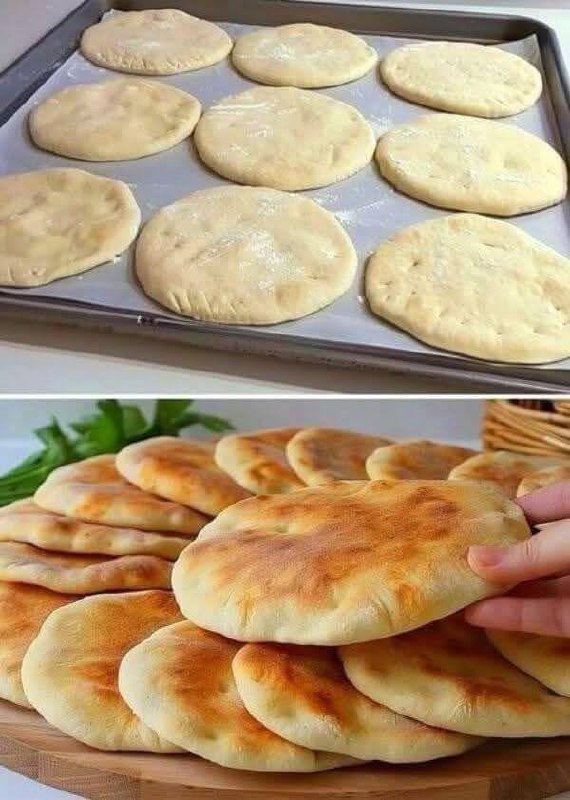
- Shape the Flatbreads: On a lightly floured surface, take one dough ball and gently flatten it with your hands or a rolling pin into a round or oval shape, about 1/4 to 1/2 inch thick. Try to maintain an even thickness for consistent cooking. Repeat with the remaining dough balls.
- Prepare for Cooking: At this point, you have two primary cooking options: pan-frying or baking.
- Option 1: Pan-Frying (Recommended for quick, soft flatbreads): Heat a large, heavy-bottomed skillet (cast iron works great) over medium-high heat. Add a teaspoon of olive oil to the pan, or cook dry for a slightly crispier texture. Once hot, place one or two flatbreads in the skillet, ensuring they don’t overlap. Cook for 2-3 minutes per side, or until golden brown and puffed up, with some delightful blistered spots. Flip and cook the other side until similarly colored. Remove from the skillet and place on a plate. If desired, brush immediately with melted butter for extra softness and flavor. Repeat with the remaining flatbreads, adding a little more oil to the pan if needed.
- Option 2: Baking (For a more traditional loaf or thicker flatbread): Preheat your oven to 400°F (200°C). Lightly grease a baking sheet or line it with parchment paper. Place the shaped flatbreads (or a single loaf if you chose not to divide the dough) on the prepared baking sheet, leaving some space between them. Bake for 12-18 minutes, or until golden brown on top and cooked through. If baking as a loaf, it might take 25-35 minutes. A quick way to test for doneness is to tap the bottom of the loaf; it should sound hollow. Remove from the oven. If desired, brush immediately with melted butter for extra softness and shine.
- Serve Warm: Serve your soft homemade bread warm, either as individual flatbreads or sliced from a loaf. Enjoy immediately!
Cooking Tips and Variations
Achieving truly soft homemade bread is all about understanding a few key principles and being patient with the process. Here are some tips to ensure your bread is consistently delicious and wonderfully soft:
- Don’t Over-Knead or Under-Knead: While kneading is crucial for gluten development, which gives bread its structure, over-kneading can make the dough tough. Under-kneading will result in a dense, crumbly bread. Aim for that smooth, elastic texture that passes the windowpane test.
- Proper Yeast Activation Temperature: The water temperature is vital for yeast. Too cold, and the yeast won’t activate; too hot, and it will kill the yeast. Aim for 105-115°F (40-46°C), which feels like warm bathwater. A thermometer is your best friend here.
- Warm, Draft-Free Rising Environment: Yeast loves warmth! A slightly warm spot will encourage faster and more robust rising. If your kitchen is cold, you can place the covered bowl in an oven that has been briefly warmed and then turned off, or even in a microwave (also turned off) with a cup of hot water.
- Keep Dough Moist During Rising: Always cover your dough with plastic wrap or a damp kitchen towel during rising. This prevents the surface from drying out and forming a crust, which can inhibit a good rise and lead to a less tender final product.
- Brush with Butter/Oil After Cooking: For an extra boost of softness and a beautiful sheen, brush the freshly cooked bread with melted butter or a little olive oil immediately after it comes out of the pan or oven. The residual heat will help the butter soak in.
- Don’t Overcook: Overcooking can dry out your bread, making it tough. Keep an eye on it and remove it as soon as it’s golden brown and cooked through.
- Flour Type Matters: While all-purpose flour works well, using bread flour (which has a higher protein content) can give you an even chewier and more structured crumb, while still remaining soft.
- Add-ins for Flavor: Don’t be afraid to experiment!
- Herbs: Incorporate 1-2 tablespoons of dried herbs like rosemary, thyme, or oregano into the dry ingredients for an aromatic bread.
- Garlic: Mince a couple of cloves of garlic and add them to the dough with the olive oil for a savory twist.
- Cheese: Mix in 1/2 cup of shredded Parmesan or cheddar cheese during the last minute of kneading for cheesy bread.
- Seeds: Sprinkle sesame seeds, poppy seeds, or everything bagel seasoning on top of the shaped flatbreads before cooking.
- Whole Wheat Blend: For a slightly healthier and nuttier flavor, substitute up to 1 cup of the all-purpose flour with whole wheat flour. You might need a tiny bit more water as whole wheat flour absorbs more liquid.
- Sweet Variation: For a slightly sweet bread, increase the sugar to 2 tablespoons and add 1/2 teaspoon of cinnamon to the dry ingredients. This makes a great base for breakfast breads.
- Shaping Variations: Instead of individual flatbreads, you can shape the entire dough into a single round or oval loaf and bake it for a more traditional presentation. You could also twist the dough into breadsticks or small rolls.
Storage and Reheating
Proper storage is essential to maintain the delightful softness of your homemade bread. While it’s best enjoyed warm and fresh, you can certainly keep it palatable for a day or two.
- Room Temperature: Once the bread has completely cooled, store it in an airtight container or a large, sealable plastic bag at room temperature. This will help prevent it from drying out. It should stay soft for 1-2 days.
- Freezing for Longer Storage: For longer storage, homemade bread freezes beautifully. Once completely cooled, wrap individual pieces or the entire loaf tightly in plastic wrap, then place it in a freezer-safe bag or aluminum foil. It can be stored in the freezer for up to 2-3 months.
- Reheating from Room Temperature: To reheat, you can pop individual slices or flatbreads into a toaster or toaster oven for a minute or two until warmed through. Alternatively, wrap the bread loosely in aluminum foil and warm it in a preheated oven at 300°F (150°C) for 5-10 minutes.
- Reheating from Frozen: If reheating from frozen, you don’t need to thaw it first. You can place the frozen bread (unwrapped if individual pieces, or still wrapped in foil if a whole loaf) directly into a preheated oven at 350°F (175°C) for 10-20 minutes, or until thoroughly warmed and soft again. For individual pieces, a toaster oven or even a microwave (briefly, to avoid toughness) can work.
Frequently Asked Questions
What if my dough isn’t rising?
The most common reasons for dough not rising are inactive yeast, or the water temperature being too hot or too cold when activating the yeast. Ensure your yeast is fresh (check the expiration date) and your water is within the 105-115°F (40-46°C) range. Also, make sure your rising environment is warm and draft-free. If your yeast didn’t foam after 5-10 minutes, it’s best to start over with fresh yeast and properly warmed water.
Can I make this bread ahead of time?
Yes, you can! You can prepare the dough up to the first rise. After the first rise, punch down the dough, then place it in a lightly oiled bowl, cover it tightly with plastic wrap, and refrigerate it overnight (up to 24 hours). The cold temperature will slow down the yeast activity. When you’re ready to bake, take the dough out of the fridge and let it come to room temperature for 30-60 minutes before proceeding with shaping and cooking.
Why is my bread tough instead of soft?
Tough bread can result from a few factors: over-kneading (which develops too much gluten, making it dense), not enough moisture in the dough, or overcooking. Make sure you knead only until the dough is smooth and elastic. Also, be mindful of cooking times and temperatures; removing the bread as soon as it’s golden and cooked through will help retain its moisture and softness.
Can I use a stand mixer for this recipe?
Absolutely! A stand mixer with a dough hook attachment will make the kneading process much easier. Mix the ingredients on low speed until combined, then increase to medium-low speed and knead for 5-7 minutes, or until the dough is smooth and elastic and pulls away from the sides of the bowl. This can save you a good deal of arm work!