
Introduction
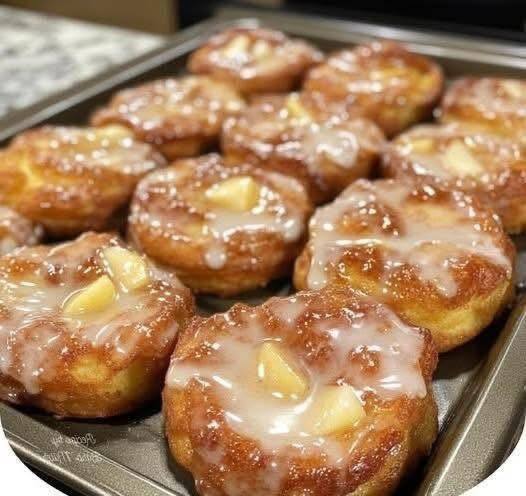
Prepare yourselves for an unparalleled culinary delight that will redefine your understanding of homemade treats: Soft Glazed Donuts with Creamy Filling. These aren’t just any donuts; they are a symphony of textures and flavors, a perfect marriage of a pillowy-soft dough, a rich, luscious cream filling, and a glistening, sweet glaze that simply melts in your mouth. Forget those dry, uninspired store-bought versions; this recipe promises an irresistible experience that will have you reaching for another before you’ve even finished the first.
What makes these donuts truly special is the exquisite balance achieved in every bite. The yeast-risen dough is light as a cloud, offering a delicate chew that perfectly contrasts the velvety smooth cream filling. This filling, whether it’s a classic vanilla pastry cream or a light, airy whipped cream, adds a burst of decadent moisture and sweetness. Finally, the simple yet elegant glaze provides that iconic sticky-sweet finish, making each donut a miniature masterpiece of indulgence. While the thought of making donuts at home might seem daunting, rest assured, this recipe breaks down the process into manageable steps, making it entirely achievable for even novice bakers.
Imagine the aroma wafting through your kitchen as these golden-brown beauties emerge from the fryer or oven, ready to be filled and glazed. The joy of creating such a beloved treat from scratch is immense, and the reward—a truly “simply irresistible” donut—is well worth the effort. Perfect for a special breakfast, a delightful dessert, or an impressive contribution to any gathering, these cream-filled, glazed donuts are destined to become a cherished recipe in your baking repertoire. Get ready to embark on a delicious journey that will leave you and everyone you share them with utterly enchanted.
Nutritional Information
Per serving (approximate values):
- Calories: 380
- Protein: 6g
- Carbohydrates: 50g
- Fat: 18g
- Fiber: 1g
- Sodium: 250mg
Ingredients
For the Donut Dough:
- 1 cup (240ml) warm milk (105-115°F / 40-46°C)
- 2 ¼ teaspoons (1 packet) active dry yeast
- ¼ cup (50g) granulated sugar, plus 1 teaspoon
- 1 large egg, at room temperature
- ¼ cup (56g) unsalted butter, melted and cooled slightly
- 1 teaspoon vanilla extract
- 3 ½ cups (420g) all-purpose flour, plus more for dusting
- ½ teaspoon salt
- Vegetable oil or canola oil, for frying (about 6-8 cups)
For the Creamy Filling:
- 1 ½ cups (360ml) whole milk
- ½ cup (100g) granulated sugar
- ¼ cup (30g) cornstarch
- 2 large egg yolks
- 2 tablespoons (28g) unsalted butter
- 1 teaspoon vanilla extract
For the Glaze:
- 2 cups (240g) powdered sugar, sifted
- ¼ cup (60ml) whole milk (or more, as needed)
- ½ teaspoon vanilla extract
Instructions
Part 1: Making the Donut Dough
- In a large bowl, combine the warm milk, 1 teaspoon of granulated sugar, and active dry yeast. Stir gently and let it sit for 5-10 minutes until foamy. This indicates the yeast is active.
- Add the remaining ¼ cup granulated sugar, egg, melted butter, and vanilla extract to the yeast mixture. Whisk until well combined.
- In a separate bowl, whisk together the all-purpose flour and salt.
- Gradually add the dry ingredients to the wet ingredients, mixing with a wooden spoon or a stand mixer with a dough hook attachment on low speed. Mix until a shaggy dough forms.
- Increase the mixer speed to medium-low and knead for 5-7 minutes, or knead by hand on a lightly floured surface for 8-10 minutes, until the dough is smooth, elastic, and no longer sticky.
- Lightly grease a clean large bowl with a little oil. Place the dough in the bowl, turning it once to coat. Cover the bowl with plastic wrap or a clean kitchen towel.
- Let the dough rise in a warm place for 1-1.5 hours, or until doubled in size.
- Once risen, gently punch down the dough to release the air.
- Turn the dough out onto a lightly floured surface. Roll the dough to about ½-inch thickness.
- Using a 2.5-3 inch round cookie cutter or a drinking glass, cut out donut shapes. Gather the scraps, gently knead them together, and re-roll to cut out more donuts until all dough is used.
- Place the cut donuts on a parchment-lined baking sheet, leaving some space between them.
- Cover the baking sheet loosely with plastic wrap or a clean kitchen towel and let the donuts proof again in a warm place for 30-45 minutes, or until visibly puffy and almost doubled in size. This second proofing is crucial for soft donuts.
Part 2: Making the Creamy Filling (Pastry Cream)
- In a medium saucepan, heat 1 ¼ cups of the whole milk over medium heat until it just begins to simmer around the edges. Do not boil.
- In a separate medium bowl, whisk together the remaining ¼ cup milk, granulated sugar, cornstarch, and egg yolks until smooth and no lumps remain.
- Once the milk in the saucepan is hot, slowly pour about half of it into the egg yolk mixture while whisking constantly. This tempers the egg yolks and prevents them from scrambling.
- Pour the tempered egg mixture back into the saucepan with the remaining hot milk.
- Whisk constantly over medium-low heat for 3-5 minutes, until the mixture thickens considerably and comes to a gentle boil. It should be thick enough to coat the back of a spoon.
- Remove the saucepan from the heat. Stir in the unsalted butter and vanilla extract until the butter is fully melted and incorporated.
- Transfer the pastry cream to a clean bowl. Press plastic wrap directly onto the surface of the cream to prevent a skin from forming.
- Refrigerate for at least 2-3 hours, or preferably overnight, until thoroughly chilled and firm.
Part 3: Frying the Donuts
- Fill a large, heavy-bottomed pot or Dutch oven with 3-4 inches of vegetable or canola oil. Heat the oil over medium heat to 350°F (175°C). Use a candy thermometer to monitor the temperature; maintaining a consistent temperature is key.
- Carefully lift the proofed donuts from the parchment paper and gently lower them into the hot oil, 2-3 at a time, being careful not to overcrowd the pot.
- Fry for 1-2 minutes per side, or until golden brown and cooked through.
- Using a slotted spoon or spider, remove the fried donuts from the oil and place them on a wire rack set over a baking sheet lined with paper towels to drain excess oil.
- Allow the donuts to cool completely before filling and glazing.
Part 4: Making the Glaze
- In a medium bowl, whisk together the sifted powdered sugar, ¼ cup whole milk, and vanilla extract until smooth.
- If the glaze is too thick, add more milk, a teaspoon at a time, until it reaches a pourable but not watery consistency. It should be thick enough to coat a spoon and cling to the donut.
Part 5: Assembling the Donuts
- Once the donuts are completely cooled and the pastry cream is chilled and firm, whisk the pastry cream briefly to loosen it up.
- Transfer the pastry cream to a piping bag fitted with a long, thin piping tip (a Bismark tip is ideal).
- Insert the tip into the side of each donut and gently squeeze the piping bag, filling the donut until it feels heavy and slightly expands. Repeat for all donuts.
- Dip the top of each filled donut into the prepared glaze, allowing any excess to drip off.
- Place the glazed donuts back on the wire rack to allow the glaze to set.
- Serve immediately or store as directed.
Cooking Tips and Variations
For the Softest Dough: Ensure your milk is at the correct temperature for yeast activation (105-115°F). Overheating will kill the yeast, and too cool will inhibit its activity. Don’t rush the proofing times; a properly risen dough is key to a light texture. Knead the dough until it’s truly elastic and smooth, which develops the gluten for that desirable chew.
Frying Perfection: The oil temperature is paramount. If the oil is too hot, the donuts will brown quickly on the outside but remain raw inside. If it’s too cool, they’ll absorb too much oil and become greasy. Invest in a good candy thermometer. Fry in small batches to maintain oil temperature and prevent overcrowding, which can lower the oil temperature significantly.
Baked Donut Option: If you prefer not to fry, you can bake these donuts. After the second proofing, preheat your oven to 375°F (190°C). Lightly brush the tops of the donuts with melted butter. Bake for 10-12 minutes, or until golden brown. While baked donuts won’t have the exact same texture as fried, they will still be delicious and soft.
Creamy Filling Variations:
- Chocolate Cream: Whisk 2-3 tablespoons of unsweetened cocoa powder into the cornstarch and sugar mixture for a rich chocolate pastry cream.
- Espresso Cream: Add 1-2 teaspoons of instant espresso powder to the hot milk for a coffee-infused filling.
- Whipped Cream Filling: For a lighter option, you can use stabilized whipped cream. Whip 2 cups heavy cream with ½ cup powdered sugar and 1 teaspoon vanilla extract until stiff peaks form. You can add 1 teaspoon of cornstarch to the cream before whipping to help stabilize it.
- Fruit-Flavored Cream: Swirl in a few tablespoons of fruit puree (raspberry, strawberry) into the cooled pastry cream for a fruity twist.
Glaze Variations:
- Chocolate Glaze: Melt ½ cup chocolate chips with 2 tablespoons butter and 1-2 tablespoons milk. Whisk until smooth.
- Maple Glaze: Replace half of the milk in the glaze with maple syrup.
- Lemon Glaze: Substitute 1-2 tablespoons of lemon juice for some of the milk and add a teaspoon of lemon zest for a bright, tangy flavor.
Filling Technique: A Bismark piping tip is best for filling, as its long, thin design allows you to inject the cream deep into the donut. If you don’t have one, you can use a small, sharp knife to poke a hole in the side of the donut and then use a regular round piping tip, or even a small spoon, to carefully insert the filling.
Storage and Reheating
Storage: Homemade donuts are best enjoyed the day they are made. However, if you have leftovers, store them in an airtight container at room temperature for up to 1 day. If your filling is dairy-based (like pastry cream), it’s best to refrigerate the filled donuts. In this case, they will keep for up to 2-3 days. The glaze may become slightly sticky in the refrigerator, but the flavor will still be excellent.
Freezing (Unfilled/Unglazed): You can freeze unfried or unbaked donut dough. After the first rise, punch down the dough, shape the donuts, and place them on a parchment-lined baking sheet. Freeze until solid, then transfer to a freezer-safe bag for up to 2-3 weeks. When ready to use, thaw overnight in the refrigerator, then let them come to room temperature and proof for their second rise before frying or baking.
Reheating: Reheating glazed, cream-filled donuts can be a bit tricky as the glaze can melt and the filling can become too warm. If refrigerated, allow them to come to room temperature for about 15-30 minutes before serving. You can gently warm them in a microwave for 10-15 seconds, but be careful not to overheat, as this can cause the filling to leak or the donut to become tough.
Frequently Asked Questions
Why are my donuts dense or dry?
Density or dryness in donuts often stems from a few key issues. Over-kneading the dough can develop too much gluten, making the donuts tough. Conversely, under-kneading won’t develop enough gluten, leading to a crumbly texture. Insufficient proofing (first or second rise) also results in dense donuts as the yeast hasn’t had enough time to create air pockets. Finally, over-baking or frying at too high a temperature can dry them out quickly. Ensure you follow proofing times, monitor oil temperature, and don’t overbake.
How do I prevent my donuts from absorbing too much oil when frying?
The most common reason for greasy donuts is frying in oil that is not hot enough. When the oil temperature is too low, the donuts absorb excess oil instead of cooking quickly and forming a crisp exterior. Always use a thermometer to maintain the oil at 350°F (175°C). Also, avoid overcrowding the pot, as this will drop the oil temperature. Ensure your donuts are properly proofed; under-proofed donuts can also absorb more oil.
Can I make the dough ahead of time?
Yes, you can! After the first rise, punch down the dough, cover it tightly with plastic wrap, and refrigerate it overnight (up to 24 hours). The cold temperature will slow down the yeast activity. The next day, let the dough come to room temperature for about 30-60 minutes before rolling, cutting, and proceeding with the second proofing and frying/baking. This is a great way to break up the baking process.
My glaze is too runny/too thick. How do I fix it?
Adjusting glaze consistency is simple. If your glaze is too runny, gradually whisk in more sifted powdered sugar, a tablespoon at a time, until it reaches the desired thickness. If it’s too thick, add a tiny amount (half a teaspoon) of milk or water at a time, whisking well after each addition, until it’s smooth and pourable but still coats a spoon. The perfect consistency should be like thick syrup, clinging to the donut without dripping off too quickly.