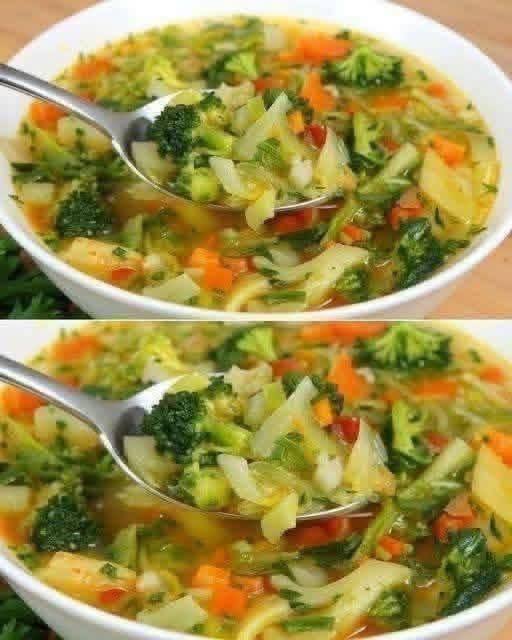

Introduction
There’s something undeniably comforting about a hearty, slow-cooked meal, especially when the weather turns chilly or you’re simply craving a dish that feels like a warm hug. Our Slow Cooker Cabbage with Bacon recipe perfectly embodies this feeling, transforming humble ingredients into a deeply satisfying and flavorful experience with minimal effort. This isn’t just a meal; it’s a testament to the magic of low-and-slow cooking, allowing flavors to meld and develop into something truly special.
Imagine tender, sweet cabbage mingling with earthy potatoes and punctuated by the smoky, savory crispness of bacon. This dish hits all the right notes, offering a delicious balance of textures and tastes. It’s a fantastic option for busy weeknights when you want a home-cooked meal without being tethered to the stove, or for a relaxed Sunday dinner that practically cooks itself. The beauty of the slow cooker lies in its ability to tenderize ingredients beautifully, making this recipe not just easy, but also incredibly forgiving.
Whether you’re new to slow cooking or a seasoned pro, this Cabbage with Bacon recipe is a winner. It’s simple, packed with flavor, and guarantees a delicious outcome that will have everyone asking for seconds. Get ready to embrace the warmth and ease of this comforting classic!
Nutritional Information
Per serving (approximate values):
- Calories: 350-400
- Protein: 18-22g
- Carbohydrates: 30-35g
- Fat: 18-22g
- Fiber: 6-8g
- Sodium: 600-800mg
Ingredients
- 1 pound thick-cut bacon, diced
- 1 large head green cabbage (about 2-2.5 pounds), quartered or cut into 6-8 wedges, core mostly intact
- 2 pounds Yukon Gold or Russet potatoes, scrubbed and cut into 1.5-2 inch chunks
- 1 large yellow onion, roughly chopped
- 4 cloves garlic, minced
- 2 cups chicken or vegetable broth
- 1/4 cup reserved bacon drippings (or 2 tablespoons unsalted butter)
- 1 teaspoon salt, or to taste
- 1/2 teaspoon black pepper, freshly ground, or to taste
- 2 tablespoons apple cider vinegar (optional, for tang)
- Fresh parsley or dill, chopped (for garnish, optional)
Instructions
- Prepare the Bacon: In a large skillet over medium heat, cook the diced bacon until crispy. This usually takes about 8-10 minutes. Using a slotted spoon, remove the cooked bacon and set aside on a paper towel-lined plate to drain. Reserve 1/4 cup of the rendered bacon drippings in the skillet. If you don’t have 1/4 cup, supplement with unsalted butter.
- Sauté Aromatics (Optional but Recommended): If using, add the chopped onion to the reserved bacon drippings in the skillet. Sauté over medium heat for 5-7 minutes until softened and translucent. Add the minced garlic and cook for another 1 minute until fragrant. Remove from heat.
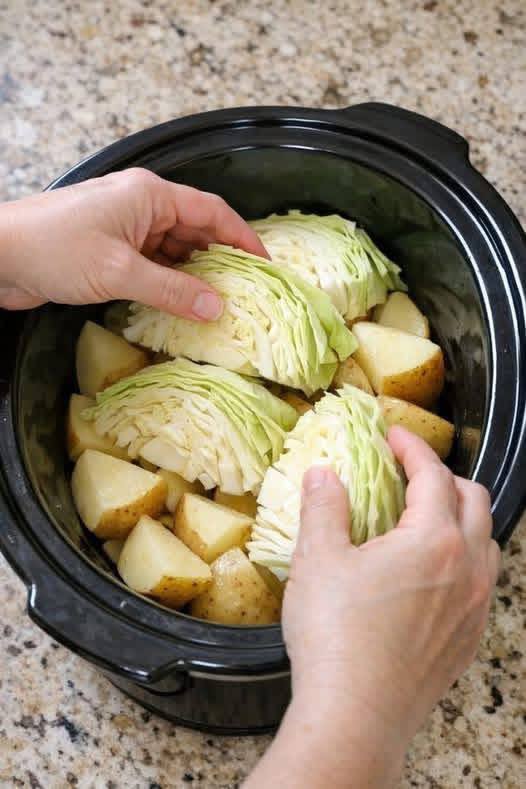
- Layer the Slow Cooker: Place the cut potato chunks evenly on the bottom of your large slow cooker. This helps them cook thoroughly and absorb flavors.
- Add Cabbage and Aromatics: Arrange the cabbage wedges on top of the potatoes. If you sautéed the onion and garlic, sprinkle them over the cabbage and potatoes now.
- Introduce Bacon and Liquid: Sprinkle about two-thirds of the cooked, crispy bacon over the vegetables in the slow cooker. Pour the chicken or vegetable broth over everything. Drizzle the reserved bacon drippings (or melted butter) over the ingredients.
- Seasoning: Season generously with salt and freshly ground black pepper. If using, add the apple cider vinegar now for a subtle tang that brightens the dish.
- Cook: Cover the slow cooker and cook on LOW for 6-8 hours, or on HIGH for 3-4 hours. The cooking time may vary slightly depending on your slow cooker and the size of your vegetable chunks. The vegetables should be fork-tender when done.
- Finishing Touches: Once cooked, gently stir the contents of the slow cooker to distribute the flavors. Taste and adjust seasonings as needed, adding more salt, pepper, or apple cider vinegar if desired.
- Serve: Ladle the Slow Cooker Cabbage with Bacon into bowls. Garnish with the remaining crispy bacon and fresh chopped parsley or dill, if using. Serve hot.
Cooking Tips and Variations
For the best results with your Slow Cooker Cabbage with Bacon, consider these tips. First, the choice of bacon makes a difference. Thick-cut bacon not only provides more substance but also renders more flavorful drippings, which are essential for adding richness to the dish. Don’t skip the step of browning the bacon in a skillet beforehand; this crucial step develops a deep, smoky flavor and a pleasant crispness that you can’t achieve by simply adding raw bacon to the slow cooker. Reserving some of these drippings to add back into the slow cooker ensures that rich, bacony essence permeates every bite of cabbage and potato. When cutting your vegetables, aim for uniform sizes, especially for the potatoes. This ensures they cook evenly and become perfectly tender at the same time as the cabbage. Large chunks are ideal for slow cooking as they hold their shape better and won’t turn mushy. While the recipe calls for layering, placing the potatoes on the bottom is strategic. They will be submerged in the broth and drippings, allowing them to absorb more flavor and cook thoroughly without drying out. The cabbage, being more delicate, can rest on top. Remember that slow cookers retain a lot of moisture, so resist the urge to add too much liquid; the two cups of broth, along with the moisture released by the vegetables, should be sufficient to create a tender, flavorful dish without it becoming watery. Finally, a touch of apple cider vinegar at the end can truly elevate the dish by adding a bright, acidic counterpoint to the richness of the bacon and the sweetness of the cabbage, balancing the overall flavor profile.
This versatile recipe also lends itself beautifully to several variations. If you want to make it even heartier, consider adding other root vegetables like sliced carrots or parsnips alongside the potatoes. For an alternative smoky flavor, you could substitute or add smoked sausage, such as kielbasa, cut into rounds, instead of or in addition to the bacon. Just be sure to brown the sausage first to develop its flavor. If you enjoy a bit of heat, a dash of your favorite hot sauce or a pinch of red pepper flakes can provide a welcoming kick. For a creamy, richer dish, a swirl of heavy cream or a pat of butter stirred in during the last 30 minutes of cooking, or even a sprinkle of grated Parmesan or sharp cheddar cheese melted over the top just before serving, can transform the texture and flavor. Don’t be afraid to experiment with herbs; fresh thyme or rosemary can add an aromatic depth that complements the savory ingredients. For a more robust, earthy flavor, consider using beef broth instead of chicken or vegetable broth. These variations allow you to customize the dish to your specific taste preferences or to what you have on hand, making it a truly adaptable and satisfying meal.
Storage and Reheating
To store any leftover Slow Cooker Cabbage with Bacon, allow the dish to cool completely to room temperature. Transfer the cooled leftovers to an airtight container. It can be safely stored in the refrigerator for up to 3-4 days. For longer storage, you can freeze it. Place the cooled dish in freezer-safe containers or heavy-duty freezer bags, removing as much air as possible to prevent freezer burn. It will keep well in the freezer for up to 2-3 months. Thaw frozen leftovers in the refrigerator overnight before reheating.
When reheating, there are a few good options. For individual servings, the microwave is quick and convenient. Place a portion in a microwave-safe dish, cover loosely, and heat on high for 2-3 minutes, stirring halfway through, until heated through. If reheating a larger quantity, or if you prefer a stovetop method, transfer the leftovers to a pot or skillet. Add a splash of broth or water to prevent drying out, cover, and heat over medium-low heat, stirring occasionally, until hot. You can also reheat it in the oven; place the leftovers in an oven-safe dish, cover with foil, and bake at 325°F (160°C) for 20-30 minutes, or until thoroughly warmed. Reheating slowly helps the flavors meld again and prevents the vegetables from becoming overcooked or mushy. Adding a fresh sprinkle of crispy bacon (if you reserved some) or fresh herbs after reheating can really liven up the dish.
Frequently Asked Questions
Can I use pre-cooked bacon for this recipe?
While you certainly can use pre-cooked bacon for convenience, it’s highly recommended to cook the bacon from scratch as per the instructions. Cooking raw, thick-cut bacon allows you to render its flavorful fat (drippings), which is crucial for adding depth and richness to the overall dish. Pre-cooked bacon often lacks this rendered fat and the fresh crispness that contributes significantly to the recipe’s success.
Do I have to peel the potatoes?
No, you do not have to peel the potatoes, especially if you’re using varieties like Yukon Gold or Russet. The skins of these potatoes are thin and tender when cooked, adding extra fiber, nutrients, and a rustic texture to the dish. Just make sure to scrub them thoroughly under running water to remove any dirt or impurities before cutting them into chunks.
Can I add other vegetables to this slow cooker dish?
Absolutely! This recipe is very adaptable to other vegetables. Carrots, parsnips, celery, or even bell peppers (added towards the end of cooking to maintain some crispness) would be excellent additions. Just ensure any harder root vegetables are cut to a similar size as the potatoes so they cook evenly and become tender along with the other ingredients.
Why is my cabbage still a bit firm after the recommended cooking time?
If your cabbage is still firm, there could be a few reasons. Slow cooker cooking times can vary depending on the specific model and its heat distribution. Also, if your cabbage wedges were very large or tightly packed, they might require a bit more time. Ensure your slow cooker is set to the correct temperature (LOW or HIGH) and simply continue cooking for an additional 30-60 minutes, checking for tenderness periodically. Next time, you might try cutting the cabbage into slightly smaller wedges for faster cooking.