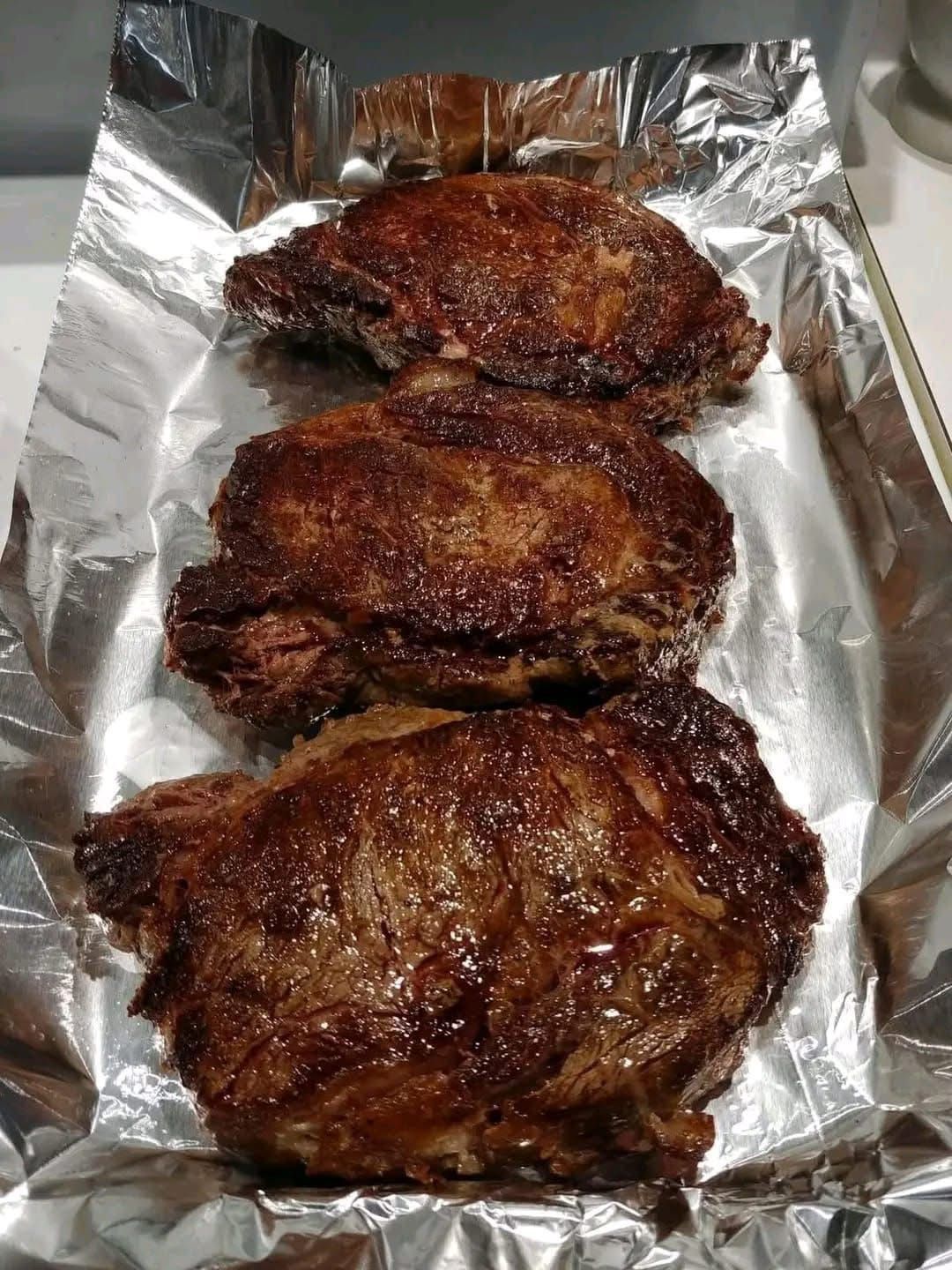

Ribeye Steak Recipe: The Juicy, Perfectly-Seared Steak You’ll Make on Repeat
If you love a steak that’s rich, tender, and bursting with big beefy flavor, then this Ribeye Steak Recipe is about to become your new favorite. Ribeye is famous for its marbling—the beautiful fat streaks that melt during cooking and turn into buttery, juicy goodness. Whether you’re preparing a special dinner or just craving a restaurant-quality steak at home, this simple yet powerful recipe delivers flavor, tenderness, and a perfect sear every single time. Best of all, it cooks in minutes, yet tastes like something from a high-end steakhouse.
Why Ribeye Steak Is the King of Steaks
Ribeye is one of the most popular cuts of beef because of its incredible tenderness and marbling. Unlike leaner cuts like sirloin or flank, ribeye has a natural richness that keeps it juicy even if you cook it slightly longer. When pan-seared or grilled with the right seasoning, it develops a golden-brown crust full of caramelized flavor, while the inside stays perfectly tender and melt-in-your-mouth delicious. It’s the cut chefs choose when they want maximum flavor with minimal effort.
Ingredients for the Perfect Ribeye Steak
Here are the simple ingredients you need to make an unforgettable ribeye steak:
- 2 ribeye steaks
- 2 tablespoons olive oil
- 1 teaspoon garlic powder
- 1 teaspoon onion powder
- Salt and black pepper, to taste
Optional extras: fresh rosemary, thyme, butter, and minced garlic for basting
Choosing the Best Ribeye Steaks
Look for Good Marbling
The key to a great ribeye is marbling—the small white streaks of fat running through the meat. This fat melts as the steak cooks, giving it a buttery texture and rich flavor. Look for ribeyes with even marbling throughout, not just around the edges.
Thickness Matters
For best results, choose steaks that are at least 1 to 1.5 inches thick. Thinner steaks tend to overcook quickly, while thicker ribeyes stay juicy and cook more evenly.
Bone-in vs. Boneless
Both versions are delicious.
- Bone-in ribeye (also called cowboy steak or rib steak) has deeper flavor and stays juicy longer.
- Boneless ribeye cooks faster and is easier to sear evenly.
How to Season Ribeye Steak for Maximum Flavor
A ribeye is naturally flavorful, so it doesn’t need complicated seasoning. Simplicity is key.
Basic Seasoning
Pat the steaks dry with paper towels. This helps give the steak a perfect crust. Drizzle the ribeyes with olive oil, then sprinkle garlic powder, onion powder, salt, and black pepper on both sides. Press the seasoning gently into the meat to help it stick.
Why Drying and Oiling Are Important
Drying removes moisture from the steak’s surface, which helps it brown better. A little oil gives you a beautiful sear and helps lock in flavor.
Optional Flavor Boosters
For extra richness, you can add a pat of butter, crushed garlic cloves, or fresh rosemary during the last 2–3 minutes of cooking. This takes the flavor from great to gourmet.
How to Cook Ribeye Steak
You can cook ribeye many ways—pan-seared, grilled, or even air-fried. The method below gives a steakhouse-quality result with no special equipment.
Pan-Seared Ribeye Steak (Best Method)
Step 1: Preheat the Pan
Heat a heavy skillet or cast-iron pan over high heat. The pan must be very hot to develop that beautiful crust.
Step 2: Sear the Steaks
Add a drizzle of olive oil to the pan. Place the seasoned ribeyes in the skillet and let them sear without moving them for 3–4 minutes. When a deep golden crust forms, flip the steaks.
Step 3: Add Butter and Herbs
Once flipped, reduce heat slightly and add 1–2 tablespoons of butter along with fresh rosemary, thyme, or crushed garlic. Tilt the pan and spoon the melted butter over the steak repeatedly. This technique, known as basting, adds incredible flavor.
Step 4: Cook to Your Preferred Doneness
Use this guide to achieve the perfect doneness:
- Rare: 120–125°F (49–52°C)
- Medium Rare: 130–135°F (54–57°C)
- Medium: 140–145°F (60–63°C)
- Medium Well: 150–155°F (65–68°C)
- Well Done: 160°F+ (71°C+)
Medium-rare is the ideal level for ribeye—tender, juicy, and full of flavor.
Step 5: Rest Before Serving
Transfer the steaks to a plate and let them rest for 5–10 minutes. This step is essential because it allows the juices to redistribute, giving you a juicy steak instead of a dry one.
Grilled Ribeye Steak (Smoky Flavor)
Preheat the Grill
Set your grill to high heat, about 450–500°F (230–260°C).
Grill the Steaks
Place ribeyes directly on the grates and cook for 4–5 minutes per side for medium-rare. For thicker steaks, close the grill lid to help them cook evenly.
Rest and Serve
Let the steaks rest before slicing. Serve with grilled vegetables or baked potatoes for a classic steakhouse meal.
Air Fryer Ribeye (Quick & Easy)
Prep the Steak
Season as usual and brush lightly with oil.
Cook
Place in the air fryer at 400°F (200°C) for 8–12 minutes, flipping halfway through.
Finish
Rest and enjoy—surprisingly juicy and perfect for busy days.
Best Side Dishes for Ribeye Steak
Garlic Mashed Potatoes
Creamy and smooth, they balance the richness of the beef.
Roasted Vegetables
Carrots, broccoli, brussels sprouts, or asparagus pair beautifully with steak.
Baked Potatoes
Classic and hearty—top with butter, sour cream, or cheese.
Rice Pilaf or Buttered Rice
A simple side that complements the steak without overpowering it.
Crisp Green Salad
Adds freshness and balances the richness of the ribeye.
Tips for the Juiciest Ribeye Steak
Let the Steak Reach Room Temperature
Take the ribeyes out of the refrigerator 20–30 minutes before cooking. This helps them cook more evenly.
Use High Heat for Searing
A screaming-hot pan is key to a flavorful crust.
Don’t Press the Steak
Pressing it squeezes out juices and makes the steak dry.
Flip Only Once
Let the crust form naturally before flipping.
Let It Rest
Resting keeps the meat juicy and tender—never skip this step.
Flavor Variations to Try
Smoky Paprika Ribeye
Add smoked paprika to the seasoning mix for a smoky, spicy twist.
Herb-Crusted Ribeye
Add dried thyme, oregano, or rosemary to your spices.
Cajun Ribeye
Use Cajun seasoning for a bold, spicy steak.
Lemon Pepper Ribeye
Bright, zesty, and perfect for summer grilling.
Garlic Butter Ribeye
Finish with melted garlic butter for the ultimate restaurant-style flavor.
Frequently Asked Questions
Can I use frozen ribeye?
Yes, but thaw it completely before cooking for best results.
Should ribeye be marinated?
Ribeye doesn’t need a marinade because of its natural marbling, but you can use one if you want a specific flavor.
What oil is best for cooking ribeye?
Olive oil, avocado oil, or any oil with a high smoke point works well.
How long should ribeye rest?
Five to ten minutes is enough to keep it juicy.
Why is my steak not tender?
Overcooking or slicing too soon can make ribeye tough.
Serving Suggestions for Ribeye Steak
Slice against the grain to maximize tenderness. Add a splash of steak sauce, compound butter, or chimichurri for extra flavor. Pair with mashed potatoes, roasted vegetables, or a fresh salad for a complete meal. Ribeye also makes amazing steak sandwiches with caramelized onions or garlic butter sliders.
Conclusion
This Ribeye Steak Recipe is your go-to guide for creating a juicy, flavorful, perfectly-seared steak every single time. With simple ingredients, high-heat cooking, and just a few minutes of preparation, you can enjoy restaurant-quality ribeye right at home. Whether you sear it in a cast-iron skillet, grill it outdoors, or cook it in the air fryer, ribeye remains one of the most satisfying and mouthwatering cuts of beef. Its tenderness, rich marbling, and bold flavor make it irresistible—and once you try this method, you’ll never want steak any other way.