
Introduction
Imagine the aroma of freshly baked bread filling your kitchen, a golden-brown crust crackling as you slice into a soft, airy interior. Sounds like a dream, right? Often, baking artisan bread at home feels like a daunting task, reserved for seasoned bakers armed with complex techniques and endless hours of kneading. But what if we told you that achieving this culinary masterpiece could be incredibly simple, requiring minimal effort and no special skills? Welcome to the magic of No-Knead Artisan Bread – your gateway to homemade bread perfection.
This revolutionary method strips away the intimidation factor, proving that beautiful, crusty, and chewy artisan bread is well within your reach. The secret lies in a long fermentation process and high hydration, which allow time and water to do all the hard work of developing gluten, eliminating the need for strenuous kneading. The result? A loaf that rivals your favorite bakery’s, with a wonderfully irregular crumb and that signature rustic charm, all achieved with just a few basic ingredients and a Dutch oven. It’s a game-changer for beginners and experienced bakers alike, promising stellar results with unbelievably little active time.
Whether you’re looking to impress guests, elevate your weeknight meals, or simply enjoy the immense satisfaction of baking from scratch, this No-Knead Artisan Bread recipe is a must-try. Prepare to be amazed by how easily you can transform simple staples into a loaf of pure delight. The process is mostly hands-off, involving a simple mix, a long leisurely rise, and a hot bake. Get ready to experience the joy of truly homemade bread – crusty on the outside, tender on the inside, and utterly irresistible.
Nutritional Information
Per serving (approximate values):
- Calories: 180
- Protein: 6g
- Carbohydrates: 35g
- Fat: 1g
- Fiber: 2g
- Sodium: 350mg
Ingredients
- 3 cups (360g) all-purpose flour or bread flour, plus more for dusting
- 1 ½ teaspoons fine sea salt
- ¼ teaspoon instant yeast (or active dry yeast, proofed)
- 1 ½ cups (360ml) warm water (about 105-115°F / 40-46°C)
- Optional additions: 1 tablespoon fresh rosemary, chopped; ½ cup shredded cheese (cheddar, Gruyere); 2 tablespoons mixed seeds (sesame, poppy, flax)
Instructions
- Mixing the Dough: In a large mixing bowl, combine the flour, salt, and instant yeast. If using active dry yeast, first dissolve it in the warm water for 5-10 minutes until foamy, then add to the dry ingredients. Pour the warm water into the dry ingredients. Using a wooden spoon or a spatula, mix until just combined and no dry streaks of flour remain. The dough will be very shaggy and sticky – this is perfectly normal and desired for a high-hydration no-knead dough. Do not overmix. If adding optional ingredients like herbs, cheese, or seeds, stir them in now.
- First Rise (Bulk Fermentation): Cover the bowl tightly with plastic wrap or a kitchen towel. Let the dough rest at room temperature (ideally 68-72°F / 20-22°C) for 12-18 hours. A longer rise time develops more flavor. The dough should at least double in size, become bubbly, and have a slightly boozy aroma. If your kitchen is warmer, the rise might be quicker (closer to 12 hours); if cooler, it might take longer (closer to 18 hours).
- Prepare for Shaping: Once the first rise is complete, lightly flour a clean work surface. Gently scrape the dough out of the bowl onto the floured surface. Avoid deflating it too much.
- Shaping the Dough: Lightly flour your hands. Gently fold the edges of the dough towards the center, forming a rough ball. Flip the dough over so the seam is underneath. Using your hands or a bench scraper, gently cup the dough and pull it towards you, rotating it slightly, to create surface tension and form a taut, round loaf.
- Second Rise (Proofing): Line a medium-sized bowl (about 8-9 inches in diameter) or a proofing basket (banneton) with a generously floured kitchen towel. Carefully transfer the shaped dough, seam-side up, into the prepared bowl or basket. Sprinkle a little more flour over the top of the dough. Cover loosely with plastic wrap or another towel and let it rest for a second rise for 30-60 minutes at room temperature. During this time, the dough will puff up slightly.
- Preheat Oven and Dutch Oven: About 30 minutes before the end of the second rise, place your Dutch oven (with its lid) in the cold oven. Preheat the oven to 450°F (232°C). It’s crucial to let the Dutch oven preheat thoroughly to achieve that perfect crust.
- Baking (Lid On): Once the oven and Dutch oven are fully preheated, carefully remove the hot Dutch oven from the oven using oven mitts. Be extremely cautious as it will be very hot. Gently uncover your proofed dough. If using a towel-lined bowl, invert the dough directly into the hot Dutch oven (you can use parchment paper to help lift it if preferred, placing the dough with the parchment paper into the pot). If using a banneton, gently flip the dough onto a piece of parchment paper, then use the parchment to carefully lower the dough into the hot Dutch oven. If desired, you can lightly score the top of the dough with a sharp knife or razor blade before baking (a single slash or a cross). Immediately place the lid back on the Dutch oven.
- Bake with Lid On: Bake for 30 minutes with the lid on. The steam trapped inside the Dutch oven will help the bread rise beautifully and create a fantastic crust.
- Baking (Lid Off): After 30 minutes, carefully remove the lid from the Dutch oven. Continue to bake for another 15-20 minutes, or until the crust is a deep golden-brown and sounds hollow when tapped on the bottom. The internal temperature should be around 200-210°F (93-99°C).
- Cooling: Carefully remove the bread from the Dutch oven (using oven mitts and the parchment paper if you used it) and transfer it to a wire rack. It is absolutely essential to let the bread cool completely for at least 1-2 hours before slicing. Slicing hot bread can result in a gummy texture inside.
Cooking Tips and Variations
Achieving that perfect crusty loaf is all about understanding a few key principles and having a few tricks up your sleeve. The beauty of no-knead bread lies in its simplicity, but these tips will help ensure every bake is a triumph. First and foremost, resist the urge to knead! The long fermentation process is doing all the gluten development for you. Over-handling the dough, especially after the first rise, can deflate it and lead to a denser loaf. Treat it gently, as if you’re handling a cloud.
Dough consistency is another vital aspect. Your no-knead dough should be very wet and sticky, almost like a thick batter rather than a traditional bread dough. This high hydration is what contributes to the open, airy crumb and the crispy crust. If your dough feels too dry, you might need to add a tablespoon or two more water in the initial mixing stage, though always err on the side of sticky. Conversely, if it’s excessively soupy, a tablespoon of flour can be added. Remember, humidity and flour type can affect absorption, so a slight adjustment might be necessary.
The proofing time is flexible and temperature-dependent. The 12-18 hour range for the first rise is a guideline. In a warmer kitchen, your dough might be ready in 10-12 hours, while in a cooler environment, it could take up to 20 hours. Look for visual cues: the dough should be visibly bubbly, have risen significantly (at least doubled), and show signs of activity. Don’t rush it! A slow, long fermentation is key to flavor development. For the second rise, a shorter period of 30-60 minutes is usually sufficient, just enough for the dough to relax and puff slightly before baking.
The Dutch oven is your best friend for this recipe. Its ability to trap steam creates the perfect environment for a spectacular crust and a good oven spring. Always preheat your Dutch oven inside the oven for at least 30 minutes at the full baking temperature. This ensures it’s scorching hot when the dough goes in, which is critical for that initial burst of rise and the formation of a crisp crust. Safety first: use heavy-duty oven mitts when handling the extremely hot Dutch oven.
For an even crisper crust, consider placing a small pan of hot water on the bottom rack of your oven during the lid-off baking phase. The additional steam can further enhance crust development. Additionally, don’t skimp on the cooling time. It’s truly difficult to resist slicing into a warm loaf, but cooling completely allows the internal structure of the bread to set and prevents a gummy texture. The steam inside the bread needs to escape, and the starches need to firm up. Patience is rewarded with an ideal texture and flavor.
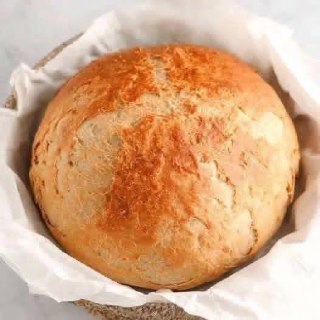
While the image doesn’t show it, scoring the dough before baking is an optional but rewarding step. A quick slash with a sharp razor blade or knife allows the bread to expand in a controlled manner, preventing uncontrolled tearing and adding to the rustic aesthetic. A simple cross or a single deep slash down the center are common choices. Dusting the dough with a little extra flour just before baking also enhances the artisan look, creating a beautiful contrast against the golden crust.
Experiment with flavor variations to truly make this recipe your own. For a savory twist, try adding 1 tablespoon of finely chopped fresh rosemary and a quarter cup of grated Parmesan cheese to the dough. Sun-dried tomatoes, olives, or even caramelized onions can also be folded in during the initial mixing. For a seeded loaf, incorporate a few tablespoons of mixed seeds (sesame, poppy, flax) into the dough, and sprinkle some on top before baking. A touch of whole wheat flour (substituting up to 1 cup of the all-purpose flour) can add a nutty depth and a slightly denser texture. The possibilities are endless, making this versatile recipe a fantastic canvas for your culinary creativity.
Storage and Reheating
To maintain the freshness and delightful texture of your homemade No-Knead Artisan Bread, proper storage is key. The enemies of fresh bread are air and moisture. Once the bread has completely cooled (this is critical!), store it at room temperature. The best way to store a whole or partially sliced loaf is in a breathable bag, such as a paper bag or a clean linen bread bag. This allows some air circulation while preventing it from drying out too quickly. Avoid airtight plastic bags for the first day or two, as they can trap moisture and soften the crust, making it less crispy. Stored this way, the bread will retain its quality for 2-3 days.
For longer storage, especially if you won’t consume the entire loaf within a few days, freezing is your best option. Slice the cooled bread into individual portions or half loaves. Wrap each portion tightly in plastic wrap, then place them in a freezer-safe bag or aluminum foil. This double-layer protection helps prevent freezer burn. Frozen bread can be stored for up to 3 months. When you’re ready to enjoy it, simply thaw slices at room temperature or pop them directly into a toaster. For a larger piece, thaw overnight in the refrigerator or on the counter, then refresh in the oven.
Reheating your artisan bread can bring back much of its fresh-baked glory. For a whole or half loaf, preheat your oven to 350°F (175°C). Lightly dampen the crust of the bread with a little water (you can use a spray bottle or just quickly run it under the tap). Place the bread directly on the oven rack and bake for 10-15 minutes, or until the crust is crisp and the interior is warmed through. This method works wonders for reviving that delightful crunch. For individual slices, a toaster or toaster oven works perfectly, crisping up the exterior and warming the interior in just a few minutes.
Frequently Asked Questions
Why is my bread dense and not rising enough?
Several factors can contribute to a dense loaf. The most common reasons include using old or inactive yeast, not allowing enough time for the first rise (especially if your kitchen is cool), or over-handling the dough when shaping, which can deflate the air bubbles. Ensure your yeast is fresh and active, and always allow the full 12-18 hours for the bulk fermentation, adjusting for ambient temperature. Also, be gentle when transferring and shaping the dough.
Can I make this recipe without a Dutch oven?
While a Dutch oven is highly recommended for achieving the signature crust and texture, you can bake this bread without one. You’ll need a heavy-bottomed oven-safe pot with a tight-fitting lid, like a cast iron pot or a ceramic casserole dish. Alternatively, you can use a baking stone or a heavy baking sheet. If using a stone/sheet, place a pan of hot water on the bottom rack of your oven during baking to create steam, which is crucial for crust development. Bake at 450°F (232°C) for the full duration, but you may need to adjust the timing slightly as the steam environment won’t be as controlled.
How do I achieve a super crispy crust?
A super crispy crust is primarily achieved through two methods: high heat and steam. The Dutch oven method excels at this by trapping steam around the loaf during the initial bake. Ensure your Dutch oven is preheated thoroughly to 450°F (232°C) for at least 30 minutes before adding the dough. Baking with the lid on for 30 minutes, then removing it to allow the crust to brown and crisp up, is key. Additionally, ensuring the bread cools completely on a wire rack is vital; slicing hot bread can trap steam and soften the crust.
Can I prepare the dough ahead of time and bake it later?
Yes, you can! After the first rise, you can gently shape the dough and place it in a floured bowl or proofing basket. Cover it tightly with plastic wrap and refrigerate for up to 2-3 days. When you’re ready to bake, take the dough out of the refrigerator and let it come to room temperature for about 1-2 hours while your Dutch oven preheats. This cold proofing can actually enhance the flavor of the bread even further, developing a more complex, slightly tangy taste.