
Introduction
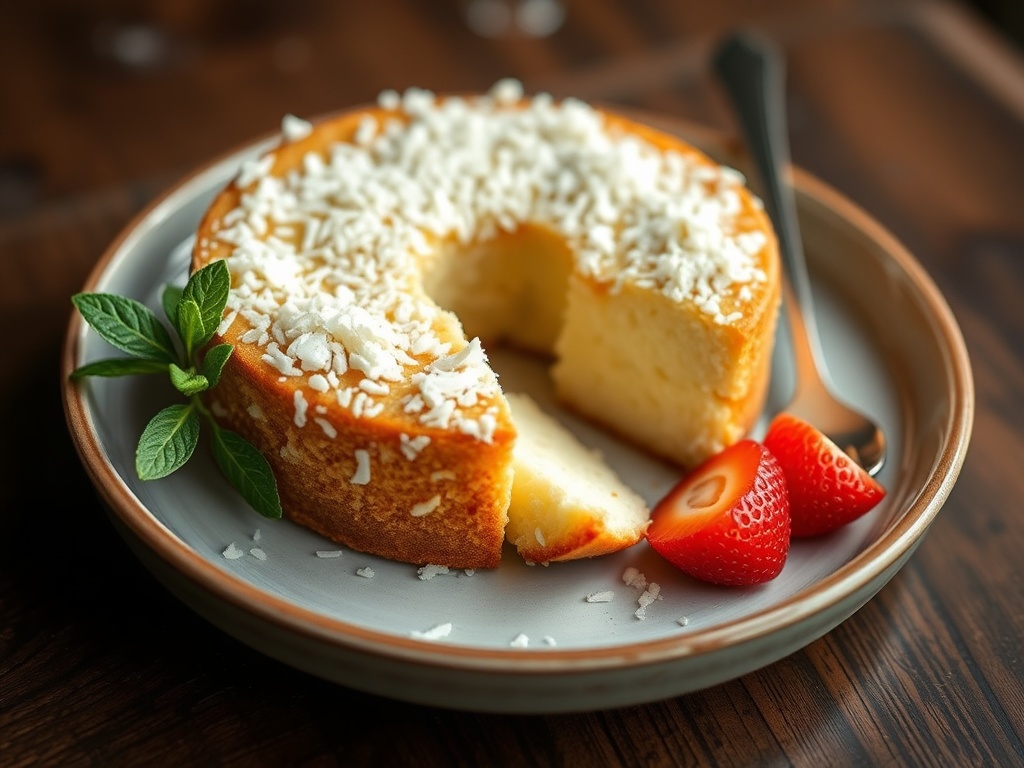
Craving something sweet but don’t want to derail your healthy eating goals? Imagine a decadent, moist, and utterly delicious cake that’s ready in just 5 minutes, requires no flour, and contains absolutely no added sugar. Sounds like a dream, right? Well, prepare to have your dessert world rocked! This “No Flour, No Sugar! Coconut Cake in 5 Minutes!” recipe isn’t just a clever title; it’s a culinary revelation, offering a guilt-free indulgence that’s perfect for busy schedules, health-conscious eaters, and anyone with a sweet tooth looking for a smarter option.
This isn’t your grandma’s elaborate layer cake, nor is it a dry, crumbly health food impostor. This is a genuinely delicious, intensely coconut-flavored treat that leverages the natural goodness of its simple ingredients. It’s a game-changer for those following gluten-free, low-carb, keto, or diabetic-friendly diets, but honestly, it’s so good, everyone will love it. The magic lies in its simplicity and the inherent richness of coconut, which provides both structure and incredible flavor without the need for traditional flour or refined sugars. Get ready to transform your dessert routine with minimal effort and maximum satisfaction.
Forget long baking times, complicated ingredient lists, and endless clean-up. This recipe is designed for instant gratification, delivering a warm, fragrant, and satisfying cake experience in the time it takes to brew a cup of coffee. Whether you need a quick breakfast on the go, a healthy afternoon snack, or a light, satisfying dessert after dinner, this 5-minute coconut cake is your new best friend. It’s a testament to how incredible healthy eating can be when you focus on quality ingredients and smart techniques.
Nutritional Information
Per serving (approximate values):
- Calories: 320 kcal
- Protein: 10g
- Carbohydrates: 12g
- Fat: 28g
- Fiber: 6g
- Sodium: 160mg
Ingredients
- 1 large egg
- 1/4 cup unsweetened shredded coconut (desiccated coconut)
- 2 tablespoons unsweetened almond milk (or other milk of choice)
- 1 tablespoon sugar-free sweetener (erythritol, monk fruit blend, or stevia equivalent to 1 tbsp sugar)
- 1/2 teaspoon vanilla extract
- 1/4 teaspoon baking powder
- Pinch of salt
- Optional: 1/4 teaspoon coconut extract for extra flavor
- Optional: A few drops of liquid stevia for added sweetness if desired
Instructions
- Grab a microwave-safe mug (about 12-14 oz capacity) or a small ramekin.
- Crack the large egg directly into the mug. Whisk it thoroughly with a fork until the yolk and white are fully combined and slightly frothy, about 30 seconds. This helps create a lighter texture.
- Add the unsweetened shredded coconut, unsweetened almond milk, sugar-free sweetener, vanilla extract, baking powder, and a pinch of salt to the mug. If using, add the optional coconut extract and a few drops of liquid stevia.
- Mix all the ingredients together vigorously with the fork until everything is well combined and there are no dry spots. Make sure to scrape the bottom and sides of the mug to incorporate all ingredients evenly. The mixture will be thick.
- Place the mug into the microwave. Microwave on high for 60 to 90 seconds. Microwave times can vary significantly based on your microwave’s wattage. Start with 60 seconds, then check for doneness. The cake should be puffed up and set, but still moist. The top should look firm and slightly springy when gently touched.
- Carefully remove the hot mug from the microwave. Allow the cake to cool in the mug for 1-2 minutes. This brief cooling period helps the cake set further and makes it easier to remove without crumbling.
- You can enjoy the cake directly from the mug or, if you prefer, carefully invert it onto a plate. Run a knife around the edges of the cake if it sticks.
- Serve immediately with your favorite healthy toppings or enjoy it plain.
Cooking Tips and Variations
Achieving the perfect 5-minute coconut cake is all about understanding a few key principles. First and foremost, the quality of your ingredients matters. Opt for unsweetened shredded coconut to maintain the “no sugar” claim and ensure a pure coconut flavor. Sweeteners like erythritol, monk fruit blends, or stevia are excellent choices for sugar-free baking as they are stable under heat and provide sweetness without the calories or blood sugar impact. Remember that different sweeteners have different potencies, so adjust to your personal taste. When mixing, ensure the egg is thoroughly whisked before adding other ingredients; this provides crucial aeration and helps bind the coconut, creating a tender crumb in the absence of flour. Don’t be afraid to mix well, as there’s no gluten to worry about overdeveloping.
Microwave wattage is your biggest variable. A 1000-watt microwave might cook your cake in 60 seconds, while a lower wattage model might need closer to 90-120 seconds. The best approach is to start with a shorter time and add 10-15 second increments until the cake is just set. Overcooking will result in a dry, rubbery cake, so err on the side of slightly undercooked rather than overcooked. The cake will continue to set as it cools in the mug. For an extra boost of flavor, consider adding a tiny pinch of cardamom or a sprinkle of cinnamon to the batter. A squeeze of fresh lime or lemon zest can brighten the coconut flavor beautifully, adding a lovely citrusy tang. If you love chocolate, a tablespoon of unsweetened cocoa powder can transform this into a rich chocolate coconut cake. Just be mindful that cocoa powder can absorb moisture, so you might need an extra splash of almond milk. For a more decadent texture, you can swap out half of the almond milk for full-fat coconut cream.
Storage and Reheating
This 5-minute coconut cake is truly best enjoyed fresh, warm, and right out of the microwave. The texture and aroma are at their peak immediately after cooking. However, if you happen to have leftovers (which is rare for something this delicious!), or if you want to meal prep a few portions for later, proper storage is key to maintaining its quality.
To store, allow the cake to cool completely to room temperature. Once cooled, place it in an airtight container. You can store individual portions or the whole cake. It will keep well in the refrigerator for up to 2-3 days. Storing it in the fridge helps prevent it from drying out too quickly and maintains its freshness. While it’s technically safe to leave at room temperature for a day, refrigeration is recommended to preserve its texture and flavor.
When you’re ready to enjoy your stored coconut cake, reheating is simple. For the best results, place the cake (either in its mug or on a microwave-safe plate) back into the microwave. Reheat on high for 15-30 seconds, depending on the size of the cake and your microwave’s power. You want it to be warmed through but not overcooked, as this can make it tough or dry. Alternatively, you can gently warm it in a preheated oven at a low temperature (around 250°F / 120°C) for 5-10 minutes, which can help restore some of its original tenderness, though this defeats the “5-minute” convenience factor. Avoid reheating multiple times, as this can degrade the texture. If you prefer, you can also enjoy the cake cold directly from the fridge; it will have a denser, more fudge-like consistency, which some people enjoy.
Frequently Asked Questions
Can I bake this cake in a conventional oven instead of a microwave?
Yes, absolutely! While designed for speed in the microwave, this cake bakes beautifully in a conventional oven. If using a small oven-safe ramekin or muffin tin, preheat your oven to 350°F (175°C). Bake for approximately 12-18 minutes, or until a toothpick inserted into the center comes out clean. Keep a close eye on it, as oven times can vary, and smaller portions cook quickly. The oven-baked version often has a slightly crispier edge and a more even texture.
What can I use if I don’t have unsweetened shredded coconut?
Unsweetened shredded or desiccated coconut is crucial for this recipe’s texture and flavor. Coconut flour is NOT a substitute, as it’s highly absorbent and would require entirely different liquid ratios. If you only have sweetened shredded coconut, you can still use it, but you’ll need to significantly reduce or eliminate the added sugar-free sweetener in the recipe to avoid it being overly sweet. You could also try finely blending unsweetened coconut flakes or chips if that’s what you have on hand, but ensure they are finely processed to mimic the texture of shredded coconut.
Why is my cake dry or gummy?
A dry cake is almost always a sign of overcooking. Microwave times vary, so it’s essential to start with the minimum recommended time (60 seconds) and add short bursts until the cake is just set. It should still be moist and slightly springy, not hard or rubbery. A gummy texture, on the other hand, can sometimes indicate undercooking, particularly if the center is still wet. Ensure the egg is thoroughly whisked and all ingredients are well combined; unmixed baking powder can also contribute to an uneven texture. If it’s gummy but appears cooked, it might be due to too much liquid or not enough shredded coconut, which provides bulk.
Can I make this recipe ahead of time?
While this cake is best enjoyed fresh, you can definitely do some prep work ahead of time. You can mix all the dry ingredients (shredded coconut, sweetener, baking powder, salt) in a small container. When you’re ready to eat, simply add the egg, milk, and extracts, mix, and microwave. This can shave even more time off the 5-minute prep. Alternatively, you can make the full batter and store it in the fridge for up to 24 hours, then microwave when ready, though the baking powder’s leavening power might be slightly reduced.