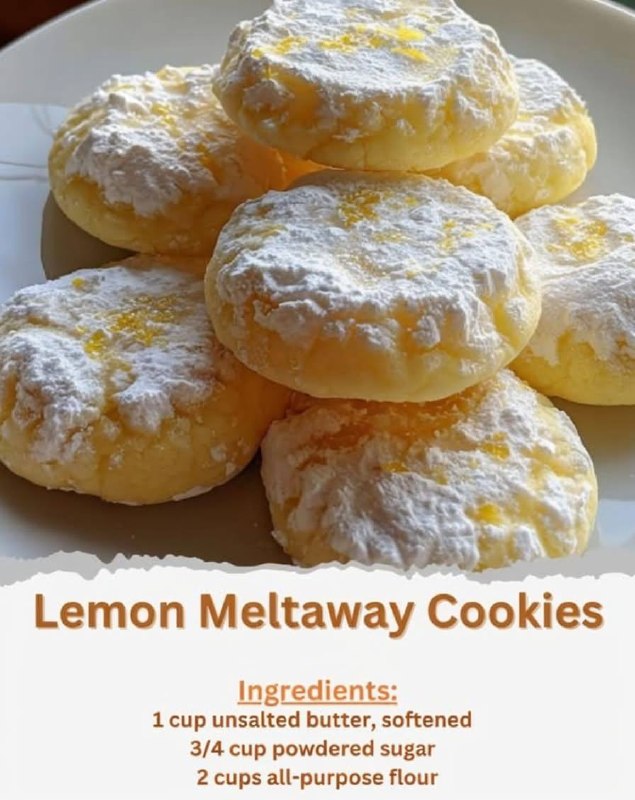

Lemon Meltaway Cookies
Imagine a cookie so tender, so delicate, it practically melts on your tongue the moment it hits. Now, infuse that ethereal texture with the bright, zesty tang of fresh lemon, and you have these irresistible Lemon Meltaway Cookies. These aren’t your average chewy or crispy cookies; they are a buttery, crumbly dream, dusted generously with powdered sugar that adds to their delightful, melt-in-your-mouth quality. Perfect for spring gatherings, a sunny afternoon treat, or simply to brighten any day, these cookies are a testament to simple ingredients creating extraordinary flavor and texture.
What makes these cookies so utterly captivating is their unique composition. Unlike traditional cookies that rely on leavening agents for lift, meltaway cookies achieve their signature tenderness through a high butter-to-flour ratio and the use of powdered sugar in the dough. This combination results in a delicate crumb that dissolves beautifully, leaving behind a lingering taste of sweet lemon. They’re surprisingly easy to make, require minimal baking skill, and come together quickly, making them an ideal choice for both novice and experienced bakers looking for a show-stopping, yet effortless, dessert.
The “meltaway” characteristic isn’t just a catchy name; it’s the defining feature of these delightful treats. Originating from classic shortbread-style cookies, meltaways have evolved to be even more tender and crumbly, often enhanced with a dusting of powdered sugar that creates an almost ethereal finish. The addition of fresh lemon juice and zest elevates this classic to new heights, providing a refreshing counterpoint to the rich buttery base. Each bite is a harmonious blend of sweet, tart, and impossibly soft, making them a truly addictive indulgence that you’ll want to bake again and again.
Nutritional Information
Per serving (approximate values):
- Calories: 120
- Protein: 1g
- Carbohydrates: 15g
- Fat: 7g
- Fiber: 0g
- Sodium: 25mg
Ingredients
- 1 cup (2 sticks) unsalted butter, softened to room temperature
- 1/2 cup powdered sugar (for the dough)
- 2 cups all-purpose flour
- 1/4 teaspoon salt
- 2 tablespoons fresh lemon juice
- 1 tablespoon lemon zest (from 1-2 medium lemons)
- 1/4 teaspoon pure vanilla extract (optional, but enhances flavor)
- 1-2 drops yellow food coloring (optional, for vibrant color)
- 1 cup powdered sugar (for coating, plus more if needed)
Instructions
- In a large mixing bowl, using an electric mixer, cream together the softened unsalted butter and 1/2 cup powdered sugar on medium speed until light and fluffy, about 2-3 minutes. Scrape down the sides of the bowl as needed to ensure everything is well combined. This step is crucial for incorporating air and achieving the tender texture.
- Add the fresh lemon juice, lemon zest, and vanilla extract (if using) to the creamed butter mixture. Mix on low speed until just combined. If using yellow food coloring, add it now and mix until the desired color is achieved.
- In a separate medium bowl, whisk together the all-purpose flour and salt.
- Gradually add the dry ingredients to the wet ingredients, mixing on low speed until just combined. Be careful not to overmix the dough, as this can develop gluten and lead to tougher cookies. The dough will be soft and slightly crumbly.
- Gather the dough into a ball, flatten it slightly into a disk, wrap it tightly in plastic wrap, and refrigerate for at least 30 minutes. Chilling the dough is essential to prevent the cookies from spreading too much during baking and helps the flavors meld.
- Preheat your oven to 350°F (175°C). Line two baking sheets with parchment paper.
- Once the dough is chilled, unwrap it and roll it into small balls, about 1 inch in diameter. For uniform cookies, you can use a small cookie scoop. Place the dough balls about 1 inch apart on the prepared baking sheets.
- Bake for 10-12 minutes, or until the edges are just set and very lightly golden. The cookies should still be pale in the center. Do not overbake, as this will make them dry.
- Allow the cookies to cool on the baking sheets for about 5 minutes. They will be very delicate when warm.
- While the cookies are still slightly warm (but cool enough to handle), place the remaining 1 cup of powdered sugar in a shallow bowl. Gently roll each cookie in the powdered sugar until fully coated. For an extra thick coating, you can roll them again once they are completely cooled.
- Transfer the coated cookies to a wire rack to cool completely. The powdered sugar coating will set as they cool.
- Serve and enjoy your delicious Lemon Meltaway Cookies!
Cooking Tips and Variations
Achieving the perfect melt-in-your-mouth texture for these Lemon Meltaway Cookies relies on a few key techniques. First and foremost, ensure your butter is truly at room temperature. This isn’t just a suggestion; it’s vital for proper creaming with the powdered sugar, which incorporates air and contributes to the cookies’ tenderness. If your butter is too cold, it won’t cream properly, and if it’s too warm or melted, the dough will be greasy. The creaming process itself should be thorough, lasting 2-3 minutes until the mixture is light and fluffy. Don’t rush this step.
When adding the dry ingredients, mix only until just combined. Overmixing develops gluten in the flour, which will lead to tough, chewy cookies instead of the desired tender, crumbly meltaway texture. As soon as you see no more streaks of flour, stop mixing. The dough will be soft but shouldn’t be sticky. Chilling the dough is another non-negotiable step. This solidifies the butter, preventing the cookies from spreading excessively in the oven and helps them maintain their shape. It also allows the lemon flavors to deepen and meld throughout the dough.
Baking time is critical for meltaway cookies. They are meant to be pale, so don’t wait for them to turn golden brown all over. Look for edges that are just barely set and a very faint hint of gold. Overbaking will dry them out and compromise their delicate texture. Once out of the oven, let them cool on the baking sheet for a few minutes before handling; they are extremely fragile when warm. For the powdered sugar coating, rolling them while slightly warm allows the sugar to adhere better, while a second roll once completely cooled can create an even thicker, more impactful coating.
For variations, the possibilities are endless. To make Orange Meltaway Cookies, simply swap the lemon juice and zest for fresh orange juice and zest. Lime Meltaways offer a similar vibrant citrus kick. For a non-citrus option, consider Almond Meltaway Cookies by adding 1/2 teaspoon of almond extract to the dough instead of lemon. You could also experiment with adding finely chopped nuts like pistachios or pecans for a textural contrast, though this might slightly alter the pure “meltaway” feel. A pinch of cardamom or ginger could introduce a warm, spicy note, especially nice for holiday baking. Remember to adjust the liquid content if you’re introducing new wet ingredients to maintain the dough’s consistency.
Storage and Reheating
Lemon Meltaway Cookies are best enjoyed fresh, but they store remarkably well, maintaining their delightful texture and flavor for several days. To store them, first ensure the cookies have completely cooled and the powdered sugar coating has set. Place them in an airtight container at room temperature. Layering them between sheets of parchment paper can help prevent the powdered sugar from transferring too much and keeps them from sticking together, though they are generally quite sturdy once cooled. Stored this way, they will stay fresh and delicious for up to 5-7 days.
Avoid storing these cookies in the refrigerator, as the cold temperature can sometimes dry them out and make them less tender. If your climate is particularly humid, a cool, dry pantry is preferable to a warm countertop. Freezing is also an excellent option for longer storage. To freeze, arrange the completely cooled and coated cookies in a single layer on a baking sheet and flash freeze for about an hour until solid. Then, transfer the frozen cookies to a freezer-safe airtight container or heavy-duty freezer bag, layering with parchment paper if necessary. They can be frozen for up to 2-3 months.
There is no need for reheating these cookies, as their charm lies in their delicate, melt-in-your-mouth texture at room temperature. If you’ve frozen them, simply remove the desired number of cookies from the freezer and let them thaw at room temperature for about 30 minutes to an hour. They will thaw quickly and be ready to enjoy. Avoid microwaving or oven reheating, as this can alter their texture, potentially making them soft, greasy, or dry. Just let them come to room temperature naturally for the best experience.
Frequently Asked Questions
What makes these cookies “meltaway”?
The “meltaway” quality comes from a few key factors: a high proportion of butter, the use of powdered sugar in the dough instead of granulated sugar, and a relatively low amount of flour. Powdered sugar dissolves more readily and creates a finer crumb. This combination results in a very tender, delicate cookie that practically dissolves on your tongue, hence the name.
Can I use margarine instead of butter?
While you theoretically could, it is highly recommended to use unsalted butter for the best results. Margarine has a different fat content and water composition, which can significantly alter the texture and flavor of these delicate cookies. Butter is essential for achieving that rich, melt-in-your-mouth quality that defines meltaway cookies.
My cookies spread too much. What went wrong?
Excessive spreading is a common issue and usually points to one of two things: your butter was too warm, or your dough wasn’t chilled enough. Ensure your butter is at a cool room temperature (soft but not greasy). More importantly, do not skip or shorten the chilling time for the dough. Chilling solidifies the butter, which helps the cookies hold their shape during baking. An oven that isn’t preheated properly or is too cool can also contribute to spreading.
How can I get a more intense lemon flavor?
To boost the lemon flavor, you can increase the amount of lemon zest slightly, as most of the lemon flavor comes from the oils in the zest. You can also add a tiny pinch of citric acid to the powdered sugar coating for an extra tart kick. Ensure you’re using fresh lemons, as their zest and juice are far more potent than bottled alternatives. Avoid adding too much extra lemon juice to the dough, as excess liquid can affect the cookie’s texture.