
Introduction
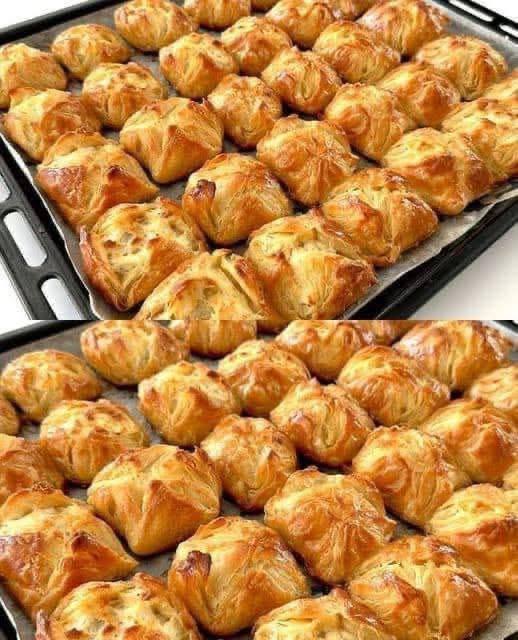
There’s something undeniably comforting and deeply satisfying about biting into a perfectly baked hard-crust bread. That initial resistance, the audible crackle as your teeth break through the golden shell, and then the yielding tenderness of the crumb within – it’s a sensory experience that elevates any meal. Today, we’re diving into the art of creating these individual, rustic beauties right in your own kitchen. Forget the store-bought versions; once you’ve tasted the fresh, aromatic warmth of homemade hard-crust bread, you’ll understand why it’s a staple in kitchens around the world.
This recipe focuses on crafting delightful individual portions, perfect for serving alongside a hearty soup, as a base for an elegant appetizer, or simply enjoyed with a generous spread of butter. The beauty of these rolls lies not just in their incredible texture and flavor, but also in their versatility. They’re substantial enough to hold their own, yet small enough to be a charming addition to any plate. We’ll explore the simple yet crucial techniques that transform humble ingredients into a bread that boasts that coveted, glorious crunch.
Achieving that signature hard crust isn’t as daunting as it might seem. It’s a careful dance between hydration, gluten development, and the magic of a hot oven, often aided by a touch of steam. This recipe demystifies the process, guiding you through each step to ensure your rolls emerge from the oven with that irresistible golden-brown shell and a soft, airy interior. Get ready to impress your taste buds and your guests with these magnificent hard-crust bread rolls!
Nutritional Information
Per serving (approximate values for one roll):
- Calories: 250
- Protein: 8g
- Carbohydrates: 45g
- Fat: 4g
- Fiber: 2g
- Sodium: 350mg
Ingredients
- 3 cups (360g) all-purpose flour, plus more for dusting
- 1 teaspoon (5g) active dry yeast
- 1 teaspoon (6g) granulated sugar
- 1 1/2 teaspoons (9g) fine sea salt
- 1 1/4 cups (300ml) warm water (105-115°F / 40-46°C)
- 2 tablespoons (28g) unsalted butter, softened, plus 1 tablespoon melted for brushing
- 1 large egg, for egg wash
- 1 tablespoon water, for egg wash
Instructions
- In a large mixing bowl, combine the warm water, granulated sugar, and active dry yeast. Stir gently and let it sit for 5-10 minutes, or until the mixture becomes foamy. This indicates that the yeast is active.
- Add the all-purpose flour and fine sea salt to the yeast mixture. Using a wooden spoon or a stand mixer with a dough hook attachment, mix until a shaggy dough forms.
- Turn the dough out onto a lightly floured surface. Knead the dough for 8-10 minutes by hand, or 6-8 minutes with a stand mixer on medium-low speed. The dough should become smooth, elastic, and pass the windowpane test (you should be able to stretch a small piece of dough thin enough to see light through it without it tearing).
- Gradually incorporate the 2 tablespoons of softened unsalted butter into the dough while kneading. Continue kneading until the butter is fully absorbed and the dough is smooth and elastic again.
- Lightly grease a clean large bowl with a little oil. Place the dough in the bowl, turning it once to coat the top. Cover the bowl tightly with plastic wrap or a clean kitchen towel.
- Let the dough rise in a warm place for 1 to 1.5 hours, or until it has doubled in size. This is the first proofing.
- Once the dough has doubled, gently punch it down to release the air. Turn the dough out onto a lightly floured surface.
- Divide the dough into 8 equal pieces. For best results, use a kitchen scale to ensure consistent size and even baking. Each piece should be approximately 80-85g.
- Shape each piece of dough into a tight ball. To do this, cup your hand over the dough on the work surface and gently rotate it, applying slight pressure to create surface tension.
- Place the shaped dough balls onto a baking sheet lined with parchment paper, leaving about 2-3 inches between each roll to allow for expansion.
- Cover the baking sheet loosely with plastic wrap or a clean kitchen towel. Let the rolls rise for a second time in a warm place for 30-45 minutes, or until they have visibly puffed up and are about 1.5 times their original size. This is the second proofing.
- While the rolls are proofing for the second time, preheat your oven to 450°F (230°C). Place an empty, oven-safe pan (like a cast iron skillet or a metal baking pan) on the bottom rack of your oven while it preheats. This pan will be used to create steam.
- In a small bowl, whisk together the large egg and 1 tablespoon of water to create an egg wash.
- Just before baking, gently brush the tops of the proofed rolls with the egg wash. Be careful not to deflate them.
- Carefully pour about 1 cup of hot water into the empty hot pan on the bottom rack of the oven. This will create steam. Immediately place the baking sheet with the rolls into the preheated oven.
- Bake the hard-crust bread rolls for 18-22 minutes, or until they are deeply golden brown and sound hollow when tapped on the bottom. The steam in the initial baking phase is crucial for developing that beautiful hard crust.
- Once baked, remove the rolls from the oven and transfer them to a wire rack to cool completely. Cooling on a wire rack is essential to prevent the bottoms from becoming soggy and to maintain the crispness of the crust.
- Brush the warm rolls immediately with the 1 tablespoon of melted butter for added flavor and shine, if desired. Serve warm and enjoy the satisfying crunch!
Cooking Tips and Variations
Achieving that perfect hard crust is all about controlling the baking environment and dough characteristics. One of the most critical elements is steam. The initial burst of steam in the oven keeps the surface of the dough moist, allowing it to expand without forming a crust too early. This prolonged elasticity of the surface, combined with the high heat, results in a thin, crisp, and beautifully browned crust. If you don’t have an oven-safe pan for water, you can spray the interior of your oven with water a few times during the first 5-7 minutes of baking, being careful to avoid the light bulb. Another tip for an even crispier crust is to turn off the oven and leave the door slightly ajar for the last 5 minutes of baking, allowing any residual moisture to escape and the crust to dry out further.
Dough hydration also plays a significant role. This recipe uses a moderate hydration level, which is excellent for a firm crust and a manageable dough. However, if you’re feeling adventurous, you can slightly increase the water by an extra tablespoon or two to create a wetter dough. Wetter doughs tend to produce a more open crumb and an even crispier crust, though they can be stickier and a bit more challenging to handle. Don’t be afraid to adjust the flour slightly during kneading if your dough feels too sticky or too dry; environmental factors like humidity can affect the dough’s consistency.
For best results, make sure your yeast is fresh and active. If your yeast doesn’t foam when mixed with warm water and sugar, it’s likely dead and your bread won’t rise. Always use warm water, not hot, as too-hot water can kill the yeast. Room temperature ingredients (especially butter) also integrate more smoothly into the dough, leading to a more consistent texture.
When it comes to shaping, aim for tight, smooth balls. Surface tension is key here, as it helps the rolls hold their shape and contributes to a good rise. Avoid over-handling the dough during shaping, as this can lead to a tough crumb. If you want to add a touch of artistry, you can lightly score the tops of the rolls with a very sharp knife or a bread lame just before baking. This not only looks professional but also helps control where the bread expands, preventing uncontrolled tearing.
Variations can transform these simple rolls into something even more special. For an herbed version, knead 1-2 tablespoons of finely chopped fresh rosemary, thyme, or oregano into the dough during the last few minutes of kneading. For a cheesy twist, incorporate 1/2 cup of grated Parmesan or sharp cheddar cheese into the dough, or sprinkle it on top before baking. If you prefer a nutty flavor and added texture, mix in 1/4 cup of sesame seeds, poppy seeds, or even a blend of “everything bagel” seasoning into the dough, or sprinkle them on top of the egg wash before baking. For a slightly sweeter, richer crust, you can omit the egg wash and brush the tops with milk or melted butter before baking, though the egg wash provides the best golden color and shine.
Consider using a bread flour instead of all-purpose flour for an even chewier crumb and potentially a slightly more robust crust. Bread flour has a higher protein content, which means more gluten development. This will result in a more structured loaf that holds its shape well. Experiment with adding a small amount (1-2 tablespoons) of whole wheat flour for a nuttier flavor and increased fiber, but be aware that this might make the dough a little denser and require a tiny bit more water.
Finally, trust your senses. The dough should feel alive, elastic, and resilient. The rolls should look visibly puffed and light before going into the oven. And that deep golden-brown color is your cue for doneness. Don’t be afraid to take notes on what works best in your specific oven, as all ovens can vary slightly in temperature and performance.
Storage and Reheating
Hard-crust bread is best enjoyed on the day it’s baked, especially if you want to experience that signature crispness. The crust will naturally soften over time as moisture from the interior migrates to the surface. To maintain the crust’s integrity for as long as possible, allow the bread to cool completely on a wire rack before storing. Storing warm bread will trap steam and make the crust soggy.
For short-term storage (1-2 days), place the cooled rolls in a paper bag or a loosely covered bread box at room temperature. Avoid airtight containers or plastic bags, as these will trap moisture and cause the crust to soften quickly. If you must use a partial plastic bag, leave it slightly ajar.
If you need to store them for a longer period, hard-crust bread rolls freeze beautifully. Once completely cooled, wrap each roll individually in plastic wrap, then place them in a freezer-safe bag or airtight container. They can be stored in the freezer for up to 2-3 months.
To reheat and revive the crust: if your rolls have softened at room temperature, preheat your oven to 350°F (175°C). Lightly mist the rolls with water (or quickly run them under a faucet, shaking off excess water) and place them directly on the oven rack. Bake for 5-10 minutes, or until the crust is crisp again and the interior is warmed through. For frozen rolls, you can warm them directly from the freezer. Preheat the oven to 350°F (175°C), and bake for 15-20 minutes, or until heated through and the crust is crisp. The misting step is especially effective for frozen rolls. Always let them cool for a few minutes on a wire rack after reheating to allow the crust to firm up.
Frequently Asked Questions
Why didn’t my bread get a hard crust?
There are a few common culprits. The most frequent reason is a lack of steam in the oven during the initial baking phase. Steam keeps the dough’s surface moist, allowing it to stretch and thin out before forming a crust. Without it, the crust forms too quickly and becomes thick and chewy, not hard and crisp. Ensure you’re adding hot water to a preheated pan in the oven, or spraying the oven walls. Another factor could be insufficient baking time or a too-low oven temperature. High heat is crucial for a rapid crust formation. Finally, cooling the bread in an enclosed space rather than on a wire rack can trap moisture and soften the crust.
Can I make this dough ahead of time?
Yes, you can! This dough is suitable for an overnight cold proof. After the first rise (step 6), gently punch down the dough, shape it into rolls (step 9), and place them on a parchment-lined baking sheet. Cover the baking sheet tightly with plastic wrap and refrigerate for 8-12 hours, or even up to 24 hours. The cold temperature slows down the yeast activity, allowing for a longer fermentation which can develop more complex flavors. When you’re ready to bake, remove the rolls from the refrigerator and let them sit at room temperature for 1-1.5 hours (or until visibly puffed) before proceeding with the egg wash, steam, and baking instructions (steps 12 onwards).
What is the “windowpane test” and why is it important?
The windowpane test is a way to check if your dough has been kneaded sufficiently and if enough gluten has developed. To perform it, pinch off a small piece of dough (about the size of a golf ball). Gently stretch and pull the dough with your fingers, trying to form a thin, translucent membrane. If you can stretch the dough thin enough that light passes through it without it tearing, it has passed the windowpane test and is properly kneaded. If it tears easily, continue kneading for a few more minutes and test again. Sufficient gluten development is crucial for the bread’s structure, texture, and ability to hold its shape and rise effectively.
My rolls are dense and not airy, what went wrong?
Density can be caused by several factors. Over-kneading or under-kneading can both lead to a dense crumb. Under-kneading doesn’t develop enough gluten, which means the dough can’t trap gas produced by the yeast, leading to a flat and dense loaf. Over-kneading can tighten the gluten too much, resulting in a tough texture. Another common issue is insufficient proofing (rising). If the dough doesn’t rise enough, it won’t have the airy structure you desire. Ensure your yeast is active and that your dough is allowed sufficient time to double in size during both the first and second proofings. Also, make sure your oven temperature is accurate; an oven that’s too cool won’t give the bread the necessary “oven spring” (the final rise in the oven) for an open crumb.