
Introduction
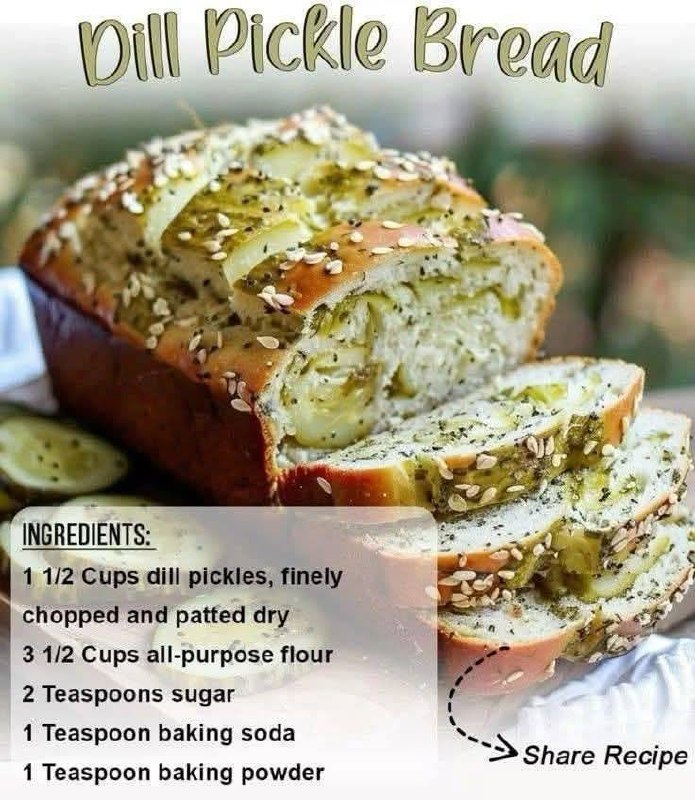
Get ready for a flavor sensation that will rock your taste buds: the Dill Pickle Bread Explosion! This isn’t just any bread; it’s a savory, tangy, and surprisingly delicious creation that takes the humble loaf to an entirely new dimension. Imagine the comforting aroma of freshly baked bread mingling with the zesty, briny goodness of your favorite dill pickles. It’s an unexpected combination that works so incredibly well, you’ll wonder why you haven’t been baking it your whole life.
The “explosion” in the name isn’t just a catchy phrase; it refers to the burst of unique flavors and the sheer delight this bread brings. Each slice offers a soft, tender crumb studded with vibrant green dill and chopped pickles, encased in a slightly crusty exterior. It’s a bread that stands out, not just for its bold taste but for its incredible versatility. Whether you’re a pickle fanatic or simply looking for an exciting new bread recipe to try, this Dill Pickle Bread is guaranteed to become a new favorite in your kitchen.
This bread is special because it masterfully combines the tangy, briny notes of dill pickles with the comforting warmth of homemade bread. The pickles don’t just add flavor; they contribute a unique texture and moisture to the loaf, preventing it from being dry and ensuring a truly satisfying bite. It’s perfect for elevating your snack time, serving as an unforgettable side dish, or transforming your everyday sandwiches into something extraordinary. Prepare yourself for a Dill Pickle Bread experience that is truly explosive in the best possible way!
Nutritional Information
Per serving (approximate values):
- Calories: 250
- Protein: 7g
- Carbohydrates: 45g
- Fat: 4g
- Fiber: 2g
- Sodium: 450mg
Ingredients
- 2 cups (240g) All-Purpose Flour
- 1 tablespoon Granulated Sugar
- 1 teaspoon Baking Powder
- 1/2 teaspoon Baking Soda
- 1/2 teaspoon Salt
- 1/4 cup (60ml) Dill Pickle Juice (from the jar)
- 1 cup (240ml) Buttermilk (or milk + 1 tbsp lemon juice/vinegar)
- 1/4 cup (56g) Unsalted Butter, melted and cooled
- 1 cup (approx. 150g) Dill Pickles, finely chopped and patted very dry
- 2 tablespoons Fresh Dill, chopped
- 1 tablespoon Sesame Seeds (for topping, optional)
- 1 tablespoon Melted Butter (for brushing, optional)
Instructions
- Preheat your oven to 375°F (190°C). Grease and flour a 9×5 inch loaf pan, or line it with parchment paper, leaving an overhang on the sides for easy removal.
- In a large mixing bowl, whisk together the all-purpose flour, granulated sugar, baking powder, baking soda, and salt. Make sure there are no lumps and the dry ingredients are well combined.
- In a separate medium bowl, whisk together the dill pickle juice, buttermilk, and cooled melted butter until thoroughly combined.
- Pour the wet ingredients into the dry ingredients. Stir with a wooden spoon or spatula until just combined. Be careful not to overmix; a few lumps are perfectly fine. Overmixing can lead to a tough bread.
- Gently fold in the finely chopped and thoroughly dried dill pickles and the fresh chopped dill. Mix just until they are evenly distributed throughout the dough.
- Transfer the dough into the prepared loaf pan, spreading it evenly with your spatula.
- If desired, brush the top of the dough with 1 tablespoon of melted butter and sprinkle generously with sesame seeds. This will add a nice golden crust and extra flavor.
- Bake for 45-55 minutes, or until a wooden skewer or toothpick inserted into the center of the loaf comes out clean. The top should be golden brown and the bread should sound hollow when tapped.
- Once baked, remove the loaf pan from the oven and let the bread cool in the pan for about 10-15 minutes. This allows the bread to set properly and prevents it from crumbling when removed.
- After 10-15 minutes, carefully remove the bread from the loaf pan and transfer it to a wire rack to cool completely. Slicing warm bread can make it gummy and difficult to cut cleanly.
- Once completely cooled, slice the Dill Pickle Bread with a serrated knife and serve. Enjoy your delicious, tangy creation!
Cooking Tips and Variations
For the perfect Dill Pickle Bread, the first and most crucial tip is to thoroughly pat your chopped pickles dry. Excess moisture from the pickles can make your dough too wet, resulting in a dense or gummy bread. Use paper towels or a clean kitchen towel to squeeze out as much liquid as possible before adding them to the batter. Don’t be afraid to press firmly! Another essential tip is to avoid overmixing the dough. Once the wet and dry ingredients are just combined and you’ve folded in the pickles, stop stirring. Overmixing develops the gluten too much, leading to a tough and chewy bread instead of a tender crumb. A few lumps in the batter are perfectly acceptable and often indicate you haven’t overmixed.
To prevent your bread from being too dry, ensure your oven temperature is accurate and don’t overbake. Start checking for doneness at the lower end of the baking time range. If the top is browning too quickly, you can loosely tent the loaf with aluminum foil. Letting the bread cool completely on a wire rack before slicing is also key for the best texture and easier cutting; slicing warm bread can often lead to a crumbly mess. For variations, consider adding half a cup of shredded sharp cheddar cheese or Monterey Jack to the dough along with the pickles for a cheesy, savory twist. A tablespoon of dried onion flakes or garlic powder can further enhance the savory profile. For a little kick, a pinch of red pepper flakes would be fantastic. You could also experiment with different types of pickles – perhaps a slightly spicy dill pickle for an extra zing, or even bread and butter pickles for a subtle sweet and savory contrast. Feel free to swap out some of the fresh dill for other herbs like chives or parsley if you’re feeling adventurous. For a richer flavor, you can replace the buttermilk with sour cream or plain Greek yogurt thinned slightly with milk.
Storage and Reheating
To store your freshly baked Dill Pickle Bread, allow it to cool completely first. Once cool, you can store it at room temperature in an airtight container or a resealable plastic bag for up to 3-4 days. For optimal freshness, you can also wrap the loaf tightly in plastic wrap and then place it in a resealable bag. If you’ve sliced the bread, you might want to consider placing a piece of paper towel in the container to absorb any excess moisture and prevent sogginess.
For longer storage, Dill Pickle Bread freezes exceptionally well. Once completely cooled, wrap the entire loaf or individual slices tightly in plastic wrap, then place it in a heavy-duty freezer bag or aluminum foil. It can be frozen for up to 2-3 months. To thaw, simply remove from the freezer and let it sit at room temperature for a few hours, or overnight in the refrigerator. Individual slices can be popped directly into a toaster for a quick thaw and crisp-up.
To reheat, you have a few options. If reheating a whole loaf from room temperature, you can wrap it in foil and warm it in an oven preheated to 300°F (150°C) for about 10-15 minutes, or until warmed through. For individual slices, a toaster or toaster oven works perfectly, giving the bread a slightly crispy exterior. You can also microwave slices for about 15-30 seconds, though this method might make the bread a bit softer rather than crispy. Avoid over-reheating, as this can dry out the bread.
Frequently Asked Questions
What kind of pickles should I use for this recipe?
For the best results and the most authentic “Dill Pickle Bread” flavor, it’s highly recommended to use good quality, firm dill pickles. Avoid overly soft or mushy pickles, as they won’t hold up as well in the bread. You can use whole dill pickles or spears, just be sure to chop them finely and, most importantly, pat them very dry before adding them to the dough to prevent excess moisture.
Can I make this bread without buttermilk?
Yes, you can easily substitute buttermilk. If you don’t have buttermilk on hand, you can make a homemade version by adding 1 tablespoon of white vinegar or lemon juice to a measuring cup, then filling the rest of the cup with regular milk (dairy or non-dairy) until it reaches 1 cup. Stir it gently and let it sit for 5-10 minutes until it slightly curdles. This DIY buttermilk will work perfectly in the recipe, providing the necessary acidity for the baking soda to react with.
Why is my Dill Pickle Bread dense or gummy?
A dense or gummy texture is often caused by one of two things: overmixing the dough or adding too much moisture. When you overmix, you develop the gluten in the flour too much, making the bread tough. Ensure you mix only until the wet and dry ingredients are just combined. Secondly, if your chopped pickles weren’t patted dry enough, the excess liquid can make the dough too wet, resulting in a heavy texture. Always take the time to thoroughly dry your chopped pickles before incorporating them into the batter.
Can I add cheese to this Dill Pickle Bread?
Absolutely! Adding cheese is a fantastic variation that complements the dill pickle flavor beautifully. We recommend folding in about 1/2 to 3/4 cup of shredded sharp cheddar, Monterey Jack, or a similar savory cheese along with the chopped pickles and fresh dill. The cheese will melt into the bread, adding another layer of savory goodness and a wonderfully gooey texture. You can also sprinkle a little extra cheese on top before baking for a nice cheesy crust.