
Introduction
There’s an undeniable magic in the aroma of freshly baked bread wafting through your home. It’s a scent that evokes comfort, tradition, and pure culinary joy. And when that bread is a crusty mini baguette, straight from your own oven, the satisfaction is elevated to an art form. Forget complicated recipes with endless ingredients; we’re going back to basics, celebrating the simple elegance of bread made the way it should be: with no added sugar, no eggs, just real, honest ingredients coming together to create something truly spectacular.
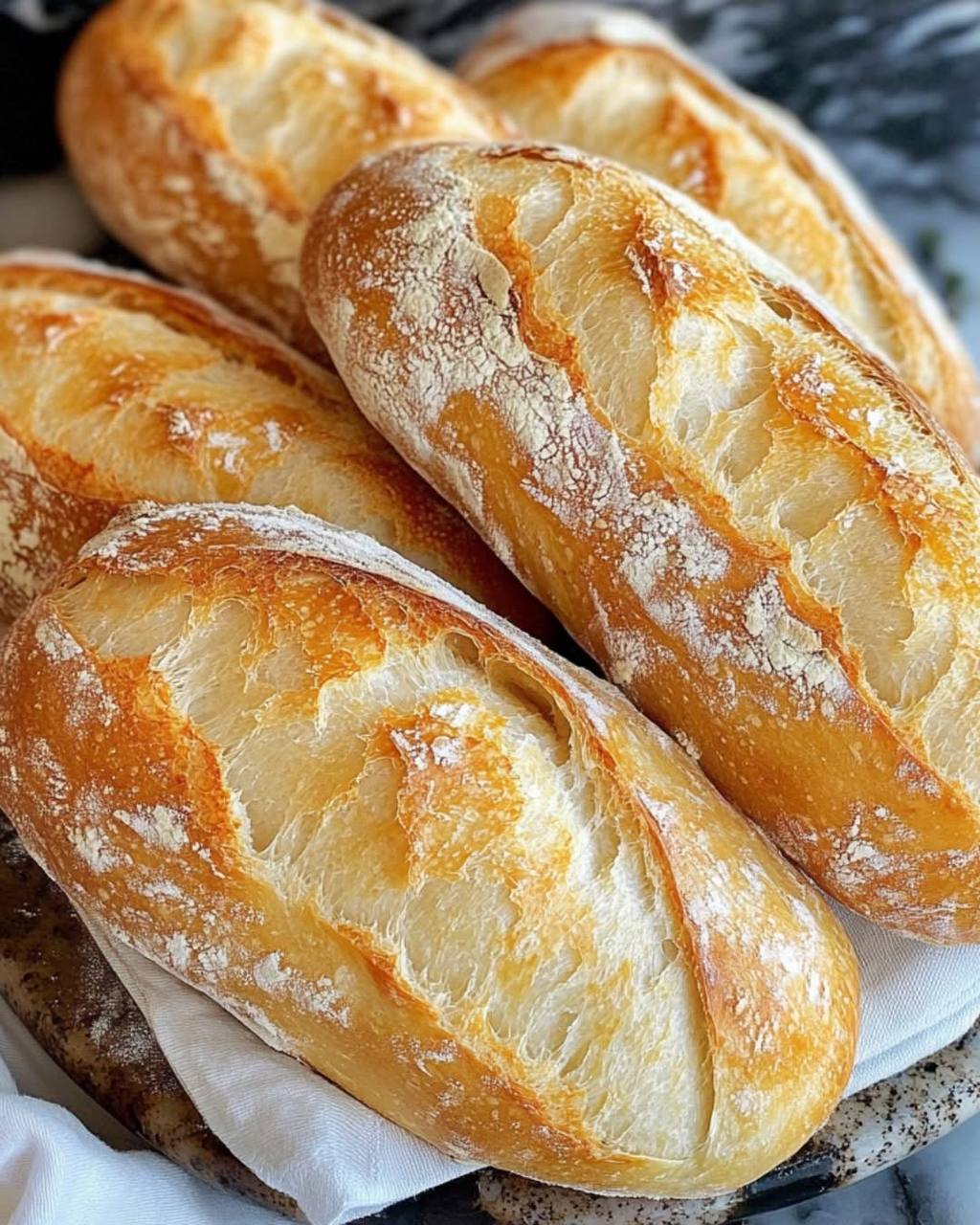
These mini baguettes are a testament to the power of simplicity. Imagine a golden-brown crust that shatters with a satisfying crackle, giving way to a soft, airy, and wonderfully chewy interior. This isn’t just bread; it’s an experience. Perfect for a casual weeknight dinner, a sophisticated appetizer spread, or sliced for delightful small sandwiches. Their compact size makes them incredibly versatile and utterly irresistible, ensuring every bite delivers that coveted contrast of crisp exterior and tender crumb.
We’re embracing the authentic spirit of traditional bread making, where quality ingredients and careful technique transform humble flour, water, yeast, and salt into a masterpiece. This recipe is designed to be approachable for bakers of all levels, guiding you through each step to achieve that professional-looking, incredibly flavorful baguette right in your own kitchen. Prepare to fall in love with the process and the delicious results.
Nutritional Information
Per serving (approximate values for one mini baguette):
- Calories: 150
- Protein: 5g
- Carbohydrates: 30g
- Fat: 1g
- Fiber: 1g
- Sodium: 250mg
Ingredients
- 3 cups (360g) unbleached all-purpose flour or bread flour, plus more for dusting
- 1 ½ teaspoons (9g) fine sea salt
- 1 teaspoon (3g) active dry yeast
- 1 ¼ cups (300ml) warm water (105-115°F / 40-46°C)
- Optional: Ice cubes or a spray bottle with water for creating steam during baking
Instructions
- Activate the Yeast: In a large mixing bowl, combine the warm water and active dry yeast. Stir gently and let it sit for 5-10 minutes, until the mixture is foamy. This indicates the yeast is alive and active.
- Combine Dry Ingredients: In a separate medium bowl, whisk together the flour and salt.
- Form the Dough: Add the dry ingredients to the foamy yeast mixture. Using a sturdy spoon or a stand mixer with a dough hook, mix until a shaggy, cohesive dough forms. It will be sticky.
- Knead the Dough: If kneading by hand, turn the dough out onto a lightly floured surface. Knead for 8-10 minutes, until the dough is smooth, elastic, and passes the “windowpane test” (you can stretch a small piece thin enough to see light through it without tearing). If using a stand mixer, knead on medium-low speed for 6-8 minutes with the dough hook.
- First Rise (Bulk Fermentation): Lightly oil a clean large bowl. Place the dough in the bowl, turning once to coat. Cover the bowl with plastic wrap or a damp kitchen towel and let it rise in a warm, draft-free place for 1 to 1.5 hours, or until doubled in size.
- Divide and Preshape: Gently punch down the risen dough to release the air. Turn it out onto a lightly floured surface. Divide the dough into 4 equal pieces. Gently shape each piece into a loose, elongated oval. Cover them loosely with plastic wrap or a damp towel and let them rest for 15-20 minutes. This helps the gluten relax, making final shaping easier.
- Shape the Mini Baguettes: Lightly flour your work surface. Take one rested dough piece. Flatten it into a rectangle. Fold the top edge down to the center and press to seal. Fold the bottom edge up to meet the top and press to seal. Fold the entire dough in half lengthwise and seal the seam firmly with the heel of your hand. Roll the dough back and forth to create a tapered baguette shape, about 8-10 inches long. Repeat with the remaining dough pieces.
- Second Rise (Proofing): Lightly flour a baking sheet or a baguette pan. Carefully transfer the shaped baguettes to the prepared sheet, leaving space between them. If you don’t have a baguette pan, you can create “flour couches” with a floured kitchen towel to prevent them from sticking together. Cover loosely with plastic wrap or a damp towel and let them rise again for 30-45 minutes, or until visibly puffy and slightly larger. They should spring back slowly when gently poked.
- Preheat Oven & Prepare for Steam: About 20 minutes before the end of the second rise, preheat your oven to 450°F (230°C) with a baking stone or heavy baking sheet inside. If you plan to use steam, place an empty metal pan (like a cast iron skillet or broiler pan) on the bottom rack of your oven.
- Score the Baguettes: Just before baking, carefully transfer the proofed baguettes to parchment paper (if not already on it). Using a very sharp knife, a razor blade, or a lame, make 3-4 diagonal slashes across the top of each baguette, about ¼ to ½ inch deep.
- Bake with Steam: Carefully transfer the parchment paper with the scored baguettes onto the hot baking stone or baking sheet in the oven. Immediately pour about ½ cup of hot water or a handful of ice cubes into the hot metal pan on the bottom rack (be careful of the steam!). Quickly close the oven door.
- Bake: Bake for 20-25 minutes, or until the baguettes are deep golden brown and sound hollow when tapped on the bottom. If the crust is browning too quickly, you can reduce the temperature slightly after the first 10 minutes.
- Cool: Once baked, transfer the mini baguettes to a wire rack to cool completely. This is crucial for achieving that perfect crisp crust and allowing the interior to set properly.
Cooking Tips and Variations
Achieving that iconic crusty exterior and airy interior requires a few key techniques. First, steam is your secret weapon. When you introduce steam into the oven at the beginning of baking, it keeps the surface of the dough moist, allowing it to expand fully before the crust sets. This leads to a thinner, crispier, and more blistered crust. You can achieve this by pouring hot water or tossing ice cubes into a hot pan on the bottom rack of your oven, or by misting the oven walls with a spray bottle during the first few minutes of baking. Just be cautious of the steam! Second, scoring the baguettes isn’t just for aesthetics; it provides an escape route for gases, allowing the bread to expand predictably and preventing uncontrolled cracks. Use a very sharp blade and make quick, confident slashes. Don’t be afraid to experiment with different scoring patterns. For variations, consider adding a tablespoon of dried herbs like oregano or rosemary to the dough during the mixing stage for an aromatic twist. You could also sprinkle the tops with sesame seeds or poppy seeds after shaping and before the second rise for added texture and flavor. For a slightly chewier crumb, try using bread flour instead of all-purpose flour.
Storage and Reheating
Crusty bread like baguettes is best enjoyed fresh, ideally on the day it’s baked. The crispness of the crust is fleeting. To store leftover baguettes, allow them to cool completely. For short-term storage (1-2 days), store them at room temperature in a paper bag. Avoid airtight plastic bags or containers, as these will trap moisture and make the crust soft and chewy. For longer storage, you can freeze them. Wrap cooled baguettes tightly in plastic wrap, then in aluminum foil, and freeze for up to 1 month. To reheat, thaw frozen baguettes at room temperature. Then, for both fresh and thawed baguettes, preheat your oven to 375°F (190°C). Lightly mist the baguette with water and bake for 5-10 minutes, or until the crust is crisp again and the interior is warmed through. This method will help revive that wonderful crusty texture.
Frequently Asked Questions
Why didn’t my baguettes get a good crust?
A common reason for a soft crust is a lack of steam during baking. Steam is crucial in the initial stages to keep the crust pliable, allowing the bread to expand and achieve that thin, crisp texture. Ensure your oven is properly preheated, and you’re using a reliable method to create steam, like a pan of hot water or ice cubes, in the oven during the first 10-15 minutes of baking.
Can I make this dough ahead of time?
Yes, you can! After the first rise (bulk fermentation), you can punch down the dough, place it in a lightly oiled bowl, cover it tightly with plastic wrap, and refrigerate it for up to 24 hours. The cold fermentation will also develop more complex flavors. When you’re ready to bake, take the dough out of the fridge, let it come to room temperature for about 30-60 minutes, then proceed with dividing, shaping, and the second rise as directed in the recipe.
What if my dough isn’t rising?
Several factors can affect dough rising. The most common culprit is inactive yeast. Ensure your warm water is between 105-115°F (40-46°C) – too hot will kill the yeast, too cold won’t activate it. Your yeast might also be old or expired; always check the expiration date. Also, make sure your rising environment is warm and draft-free. If your kitchen is cold, try placing the dough in a slightly warm (but turned off) oven with a bowl of hot water inside to create a warm, humid environment.