
Introduction
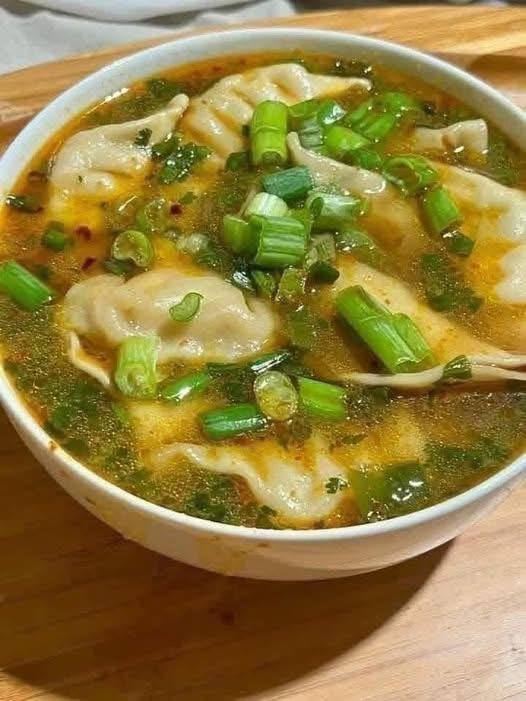
There are few dishes that wrap you in a warm, flavorful embrace quite like a bowl of comforting dumpling soup. This isn’t just a meal; it’s a hug in a bowl, a culinary remedy for chilly evenings, and a surefire way to bring smiles to the dinner table. With its tender, savory dumplings swimming in a rich, aromatic broth, dumpling soup stands as a testament to simple ingredients creating profound comfort. It’s a dish that transcends cultures, with variations found across Asia, each offering its unique twist on this beloved classic.
Our take on comforting dumpling soup leans into those beloved Asian influences, promising a bowl that’s both deeply satisfying and surprisingly straightforward to prepare. Whether you’re a seasoned home cook or just starting your culinary journey, this recipe is designed to deliver maximum flavor with minimal fuss. We’ll explore how to craft a broth that sings, incorporate delightful dumplings (whether homemade or store-bought for convenience), and finish it all with vibrant garnishes that elevate every spoonful. Get ready to discover your new favorite go-to comfort food!
The beauty of dumpling soup lies in its versatility and the balanced symphony of textures and tastes. The silky wrappers of the dumplings, the savory filling, the umami-rich broth, and the fresh crunch of garnishes all come together to create a truly harmonious experience. It’s a meal that feels both special and accessible, perfect for a cozy weeknight dinner or a relaxed weekend lunch. Prepare to be enchanted by the simple magic of this comforting classic.
Nutritional Information
Per serving (approximate values):
- Calories: 380
- Protein: 25g
- Carbohydrates: 35g
- Fat: 15g
- Fiber: 4g
- Sodium: 950mg
Ingredients
- 6 cups (1.5 liters) good quality chicken or vegetable broth
- 1 tablespoon soy sauce (low sodium preferred)
- 1 teaspoon sesame oil
- 1-inch piece fresh ginger, peeled and thinly sliced
- 2 cloves garlic, minced
- 1/2 teaspoon white pepper
- 1/4 cup rice vinegar (optional, for a touch of tang)
- 24-30 frozen potstickers or wontons (store-bought or homemade)
- 2 cups fresh spinach, roughly chopped
- 1/2 cup sliced shiitake mushrooms (fresh or rehydrated)
- 2 green onions (scallions), thinly sliced, for garnish
- 1 tablespoon fresh cilantro, chopped, for garnish (optional)
- 1 teaspoon chili flakes, for garnish (optional, for heat)
- 1 teaspoon toasted sesame seeds, for garnish (optional)
- Salt to taste
Instructions
- In a large pot or Dutch oven, combine the chicken or vegetable broth, soy sauce, sesame oil, sliced ginger, minced garlic, white pepper, and rice vinegar (if using).
- Bring the broth mixture to a gentle simmer over medium heat. Let it simmer for at least 10-15 minutes to allow the flavors to meld and the aromatics to infuse the broth. Taste and adjust seasonings as needed; you might want a pinch more salt or soy sauce.
- Carefully add the frozen potstickers or wontons to the simmering broth. Ensure not to overcrowd the pot; if necessary, cook them in batches.
- Cook the dumplings according to package directions, usually 5-8 minutes, or until they float to the surface and are cooked through. They should be tender and slightly plump.
- Once the dumplings are nearly cooked, add the chopped fresh spinach and sliced shiitake mushrooms to the pot. Stir gently and cook for another 2-3 minutes, just until the spinach wilts and the mushrooms are tender-crisp.
- Remove the pot from the heat.
- Ladle the hot dumpling soup into individual serving bowls, ensuring each bowl gets a good mix of dumplings, spinach, and mushrooms.
- Garnish generously with thinly sliced green onions, fresh chopped cilantro (if using), chili flakes for a touch of heat, and a sprinkle of toasted sesame seeds.
- Serve immediately and enjoy this comforting bowl of deliciousness.
Cooking Tips and Variations
The heart of any great soup is its broth, and our comforting dumpling soup is no exception. For the most profound flavor, consider making your own chicken or vegetable broth from scratch. Roasting chicken bones or vegetables before simmering them can add an incredible depth and richness that store-bought broths often lack. If using store-bought, opt for a high-quality, low-sodium version so you can control the saltiness yourself. Don’t be shy with the aromatics; fresh ginger and garlic are non-negotiable here, infusing the broth with their pungent, warming notes. A little trick is to lightly smash the garlic cloves before adding them to the broth; this releases their oils and maximizes flavor without having to mince them finely. For an even richer broth, you can sauté the ginger and garlic in a teaspoon of neutral oil for a minute before adding the broth.
When it comes to the dumplings themselves, you have options! Store-bought frozen potstickers or wontons are a fantastic time-saver, perfect for a quick weeknight meal. Look for varieties with fillings you enjoy, whether it’s pork, chicken, shrimp, or a vegetable blend. If you’re feeling ambitious and want to make your own, a simple filling of ground pork, finely chopped napa cabbage, ginger, garlic, soy sauce, and a dash of sesame oil works wonderfully. For homemade dumplings, you can use pre-made wrappers or try your hand at a basic dough of flour and water. Remember, whether homemade or store-bought, avoid overcrowding the pot when cooking the dumplings. This ensures they cook evenly and don’t clump together. They’re done when they float to the surface and appear plump, usually within 5-8 minutes.
This recipe is incredibly versatile, allowing for numerous variations to suit your taste and what you have on hand. For added protein, you can poach thin slices of chicken breast or shrimp directly in the simmering broth before adding the dumplings. Tofu, cut into small cubes, also makes an excellent vegetarian protein boost. Experiment with different vegetables; thinly sliced carrots, bok choy, snow peas, or corn kernels would all be delicious additions. Just be mindful of their cooking times – add firmer vegetables earlier and quicker-cooking ones later. If you like a spicier kick, increase the chili flakes or add a dash of sriracha to the broth. For a more umami-rich broth, a splash of fish sauce can work wonders, especially if you’re using a chicken or vegetable base. A squeeze of fresh lime juice at the end can brighten all the flavors. Don’t be afraid to make this recipe your own!
Another tip for maximizing flavor is to let the broth simmer for a good 15-20 minutes before adding anything else. This allows the ginger, garlic, and other seasonings to fully infuse the liquid, creating a more cohesive and delicious base. Tasting and adjusting the seasoning of the broth throughout the cooking process is crucial. A little more soy sauce for saltiness, a touch more sesame oil for nuttiness, or a splash of rice vinegar for brightness can make all the difference. Remember, the broth is the foundation, so make it sing!
For those who love a bit of texture, consider pan-frying a few of your dumplings separately until golden and crispy, then adding them to the soup just before serving. This provides a delightful contrast to the softer, boiled dumplings. This technique works particularly well with potsticker-style dumplings. You can also experiment with different types of noodles, such as thin egg noodles or rice vermicelli, adding them to the soup during the last few minutes of cooking for a heartier meal. Just be sure to cook them al dente so they don’t become mushy in the broth.
Finally, don’t underestimate the power of garnishes. They not only add visual appeal but also contribute fresh flavors and textures. Green onions offer a mild oniony bite, cilantro brings a fresh, herbaceous note, and chili flakes provide a customizable warmth. A drizzle of extra sesame oil right before serving enhances the nutty aroma, and toasted sesame seeds add a pleasant crunch. These finishing touches truly elevate the soup from good to extraordinary, making each spoonful a delightful experience. Be generous with your garnishes!
Storage and Reheating
This comforting dumpling soup is best enjoyed fresh, as the dumplings can absorb a lot of broth and become very soft if left to sit for too long. However, if you do have leftovers, they can be stored. Allow the soup to cool completely before transferring it to an airtight container. It can be refrigerated for up to 2-3 days. Keep in mind that the dumplings will likely expand and become softer, and the spinach might lose some of its vibrant color and texture.
For reheating, gently warm the soup on the stovetop over medium-low heat until it’s heated through. Avoid boiling vigorously, as this can cause the dumplings to break apart. If the broth has thickened significantly due to the dumplings absorbing liquid, you might want to add a splash of extra broth or water to reach your desired consistency. You can also reheat individual portions in the microwave, using short intervals and stirring occasionally to ensure even heating. For best results, consider storing the broth and uncooked dumplings separately if you anticipate having leftovers, and then cook the dumplings fresh in the reheated broth.
Frequently Asked Questions
Can I make this soup vegetarian or vegan?
Absolutely! To make this soup vegetarian or vegan, simply use a good quality vegetable broth instead of chicken broth. Ensure your store-bought dumplings are certified vegetarian or vegan, or make your own with a plant-based filling like tofu, mushrooms, and vegetables. Omit any non-vegan garnishes like certain chili oils if they contain animal products. The rest of the ingredients are typically plant-based.
What kind of dumplings are best for this soup?
For this recipe, frozen potstickers or wontons work wonderfully due to their convenient size and quick cooking time. You can choose any filling you prefer – pork, chicken, shrimp, or vegetable. If you’re making your own, smaller, more delicate dumplings tend to be better for soup than very large, dense ones. The key is to use dumplings that hold their shape well when simmered in liquid.
Can I add other vegetables to the soup?
Yes, this soup is very adaptable to other vegetables! Thinly sliced carrots, bok choy, napa cabbage, snow peas, or bamboo shoots would all be excellent additions. Add firmer vegetables like carrots earlier in the simmering process so they have time to soften, and quicker-cooking greens like bok choy or snow peas towards the end, similar to the spinach, to maintain their texture and vibrant color.
How can I make the broth spicier?
To add more heat to your soup, you have several options. You can increase the amount of chili flakes used for garnish, or stir them directly into the broth during the simmering stage. For a deeper, more integrated spice, you can add a small amount of gochujang (Korean chili paste) or sriracha to the broth while it’s simmering. Another option is to sauté a finely diced fresh chili, like a jalapeño or serrano, with the ginger and garlic at the beginning of the cooking process.