
Introduction
Today, we’re diving into a dessert that embodies comfort, elegance, and pure deliciousness: the Classic Vanilla Butter Cake with Buttermilk Sauce. This isn’t just any cake; it’s a timeless masterpiece, a staple for celebrations, or simply a perfect companion to your afternoon coffee. Imagine a cake so tender it practically melts in your mouth, its delicate crumb infused with the warm, inviting scent of vanilla. Now, picture that exquisite cake drizzled with a tangy, sweet buttermilk sauce that adds a bright, irresistible counterpoint to every bite. It’s a combination that speaks to the soul, promising a truly memorable dessert experience.
What makes this particular vanilla butter cake so special is the delicate balance of its components. The cake itself is a testament to classic baking techniques, resulting in a wonderfully light and airy texture – almost like a luxurious sponge, yet with the rich depth that only butter can provide. The secret to its incredible tenderness lies partly in the careful creaming of butter and sugar, which incorporates air and creates a fine crumb, and partly in the inclusion of buttermilk. Buttermilk, with its subtle acidity, tenderizes the gluten in the flour, ensuring a moist and incredibly soft cake. When paired with our simple yet sensational buttermilk sauce, which offers a delightful tartness to cut through the cake’s richness, you have a dessert that is both comforting and sophisticated.
The history of butter cakes is as rich and varied as their flavors. Evolving from simpler pound cakes, butter cakes became a canvas for bakers to experiment with leavening agents and flavorings. The addition of eggs and later baking powder or soda transformed dense, heavy cakes into the lighter, more delicate versions we cherish today. This recipe for Classic Vanilla Butter Cake with Buttermilk Sauce pays homage to that tradition, delivering a dessert that feels both nostalgic and utterly contemporary. It’s a recipe that celebrates the simple joy of baking and the profound pleasure of sharing something truly delicious.
Nutritional Information
Per serving (approximate values):
- Calories: 450
- Protein: 6g
- Carbohydrates: 60g
- Fat: 22g
- Fiber: 1g
- Sodium: 280mg
Ingredients
For the Classic Vanilla Butter Cake:
- 2 ½ cups (300g) all-purpose flour, sifted
- 1 ½ teaspoons baking powder
- ½ teaspoon salt
- 1 cup (226g) unsalted butter, softened to room temperature
- 1 ¾ cups (350g) granulated sugar
- 4 large eggs, at room temperature
- 2 teaspoons pure vanilla extract
- 1 cup (240ml) buttermilk, at room temperature
For the Buttermilk Sauce:
- ½ cup (120ml) buttermilk
- ½ cup (100g) granulated sugar
- 2 tablespoons unsalted butter
- ½ teaspoon pure vanilla extract
- 1 tablespoon fresh lemon juice (optional, for extra tang)
For Garnish:
- Powdered sugar, for dusting
Instructions
For the Classic Vanilla Butter Cake:
- Preheat your oven to 350°F (175°C). Grease and flour a 9-inch round springform pan or a 9×13 inch baking pan. Line the bottom with parchment paper for easy removal if using a round pan.
- In a medium bowl, whisk together the sifted all-purpose flour, baking powder, and salt. Set aside.
- In a large bowl, using an electric mixer, cream together the softened unsalted butter and granulated sugar on medium-high speed for 5-7 minutes, until the mixture is light, fluffy, and pale in color. This step is crucial for incorporating air and creating a tender cake.
- Add the eggs one at a time, beating well after each addition until fully incorporated. Scrape down the sides of the bowl as needed to ensure everything is evenly mixed.
- Stir in the vanilla extract.
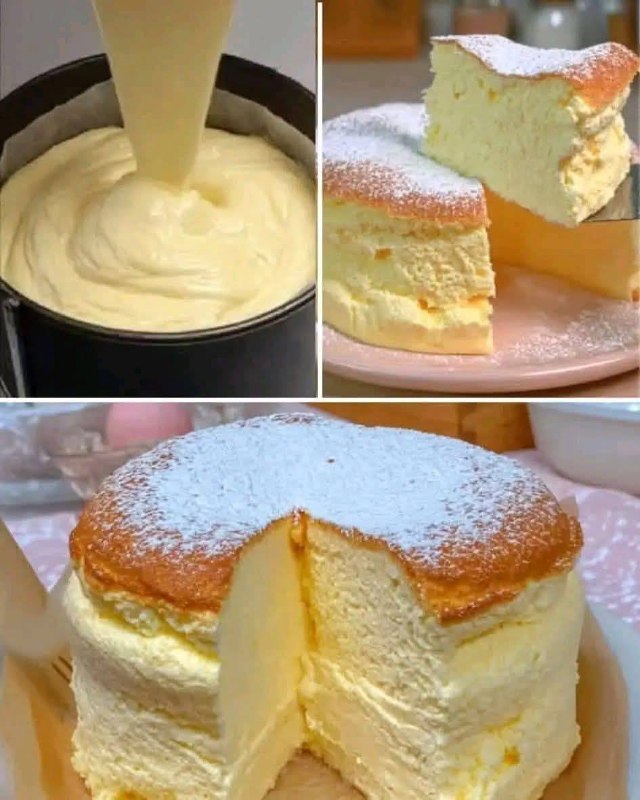
- With the mixer on low speed, gradually add the dry ingredients to the wet ingredients in three additions, alternating with the buttermilk in two additions. Begin and end with the dry ingredients. For example, add ⅓ of the flour mixture, mix until just combined, then ½ of the buttermilk, mix until just combined, then another ⅓ of the flour mixture, the remaining buttermilk, and finally the last ⅓ of the flour mixture. Be careful not to overmix the batter; mix only until just combined to avoid developing too much gluten, which can lead to a tough cake. The batter should be smooth and creamy, as seen in many classic cake recipes.
- Pour the cake batter evenly into the prepared pan. Smooth the top with a spatula.
- Bake for 30-35 minutes for a 9-inch round pan, or 35-40 minutes for a 9×13 inch pan, or until a wooden skewer or toothpick inserted into the center of the cake comes out clean. The cake should be golden brown and spring back slightly when gently pressed. Avoid overbaking, as this can dry out the cake.
- Remove the cake from the oven and let it cool in the pan on a wire rack for 10-15 minutes.
- Carefully invert the cake onto the wire rack, remove the pan, and peel off the parchment paper. Let the cake cool completely before dusting with powdered sugar or serving with the sauce.
For the Buttermilk Sauce:
- While the cake is cooling, prepare the buttermilk sauce. In a small saucepan, combine the buttermilk, granulated sugar, and unsalted butter.
- Heat the mixture over medium heat, stirring constantly, until the butter is melted and the sugar is completely dissolved. Bring the sauce to a gentle simmer, but do not boil.
- Remove the saucepan from the heat and stir in the pure vanilla extract and optional fresh lemon juice.
- The sauce will be thin and pourable, perfect for drizzling. Keep it warm until ready to serve, or allow it to cool slightly.
To Serve:
- Once the cake has cooled, dust generously with powdered sugar.
- Slice the cake and serve individual pieces with a generous drizzle of the warm or slightly cooled buttermilk sauce over each slice.
Cooking Tips and Variations
Achieving the perfect Classic Vanilla Butter Cake is all about attention to detail. Firstly, ensure all your ingredients, especially the butter, eggs, and buttermilk, are at room temperature. This is not just a suggestion; it’s a critical step that allows ingredients to emulsify properly, creating a smooth, homogenous batter that traps air efficiently, resulting in a lighter, more evenly textured cake. Cold ingredients will not cream properly, leading to a lumpy batter and a denser cake. For the best results, take your butter and eggs out of the refrigerator at least an hour before you plan to bake, and warm your buttermilk slightly if it’s too cold.
When creaming the butter and sugar, don’t rush it. This step is paramount for incorporating air into your cake, which contributes significantly to its light and airy texture. Beat them together for the full 5-7 minutes until the mixture is visibly lighter in color and fluffy. Similarly, when adding eggs, incorporate them one at a time, beating well after each addition to ensure they are fully emulsified into the butter mixture. Overmixing the batter after adding the flour is a common pitfall. Once the flour is introduced, mix only until just combined. Overmixing develops the gluten in the flour, leading to a tough and chewy cake rather than a tender one.
To tell if your cake is done, the classic toothpick test is your best friend. Insert a wooden skewer or toothpick into the center of the cake; if it comes out clean or with a few moist crumbs attached, your cake is ready. If it comes out with wet batter, continue baking for a few more minutes and retest. Remember, every oven can vary, so keep an eye on your cake. Using a springform pan is highly recommended for this recipe, as it makes removing the delicate cake much easier and preserves its beautiful shape. Line the bottom with parchment paper for extra insurance against sticking.
For variations, the vanilla butter cake is a fantastic base. You could add the zest of one lemon or orange to the batter for a bright citrus note that pairs wonderfully with the buttermilk sauce. For a nutty flavor, a teaspoon of almond extract can be substituted for half of the vanilla extract. While the buttermilk sauce is divine, don’t hesitate to experiment with other toppings. A vibrant berry compote, made by simmering fresh or frozen berries with a little sugar, would offer a delightful contrast. Alternatively, a rich chocolate ganache would transform this classic into a decadent treat. For those who love a hint of spice, a touch of cardamom or nutmeg in the cake batter can add an unexpected warmth.
Storage and Reheating
Proper storage is key to enjoying your Classic Vanilla Butter Cake with Buttermilk Sauce for as long as possible. The cake, without the sauce, should be stored at room temperature in an airtight container. This will keep it fresh and moist for up to 3-4 days. If you live in a particularly warm or humid climate, or if you plan to keep the cake for longer, you can refrigerate it. When refrigerating, ensure it’s still in an airtight container to prevent it from drying out or absorbing odors from other foods. Refrigerated, the cake will last for up to a week. For longer storage, the cake can be frozen. Wrap individual slices or the whole cake tightly in plastic wrap, then an additional layer of aluminum foil, and place in a freezer-safe bag or container. It will keep well in the freezer for up to 2-3 months. Thaw frozen cake in the refrigerator overnight or at room temperature for a few hours before serving.
The buttermilk sauce should always be stored in an airtight container in the refrigerator. It will remain fresh for about 5-7 days. Because it contains dairy, it’s not recommended to store the sauce at room temperature for extended periods. If you’ve made a larger batch of sauce, it can also be frozen, though its texture might change slightly upon thawing, becoming a bit thinner. Freeze in small, individual portions for convenience.
When it comes to reheating, the cake is delicious served at room temperature, especially if it’s been refrigerated. If you prefer a warm slice, you can gently heat individual slices in the microwave for 15-30 seconds, or in a preheated oven at 300°F (150°C) for about 5-10 minutes, until just warmed through. Be careful not to overheat, as this can dry out the cake. The buttermilk sauce can be gently reheated in a small saucepan over low heat, stirring constantly until warm and pourable again. If it thickens too much, you can add a tiny splash of milk or buttermilk to achieve your desired consistency. Avoid boiling the sauce when reheating to prevent it from separating.
Frequently Asked Questions
What is the difference between a butter cake and a pound cake?
While both butter cakes and pound cakes are rich, dense cakes, the primary difference traditionally lies in their ingredient ratios. A classic pound cake famously uses a pound each of butter, sugar, eggs, and flour, resulting in a very dense and rich cake. Butter cakes, on the other hand, often incorporate leavening agents like baking powder or baking soda, and sometimes buttermilk, allowing for a lighter, more tender crumb and a greater variety in ingredient proportions. Our Classic Vanilla Butter Cake, with its baking powder and buttermilk, is designed to be lighter and airier than a traditional pound cake, while still retaining that wonderful buttery richness.
Can I make this cake without buttermilk?
Yes, you can, but it will slightly alter the texture and flavor. Buttermilk contributes to the cake’s tenderness and adds a subtle tang. If you don’t have buttermilk, you can make a homemade substitute: add 1 tablespoon of white vinegar or lemon juice to a liquid measuring cup, then fill the rest of the cup with regular milk (whole or 2% works best) until it reaches the 1-cup mark. Stir gently and let it sit for 5-10 minutes until it slightly curdles. This acidified milk will activate the baking powder similarly to buttermilk, though the flavor might be slightly less pronounced.
Why did my cake come out dry?
There are a few common reasons why a cake might turn out dry. The most frequent culprit is overbaking. Even a few minutes too long in the oven can strip a cake of its moisture. Ensure you’re checking for doneness with a toothpick and removing the cake as soon as it’s ready. Another reason could be incorrect ingredient measurements, especially too much flour or too little liquid. Always measure your flour correctly, preferably by weight, or by spooning it into a measuring cup and leveling it off, rather than scooping directly from the bag. Finally, using cold ingredients can also contribute to a drier cake, as they don’t emulsify as well, leading to an uneven texture and less moisture retention.
Can I use this recipe for cupcakes?
Absolutely! This Classic Vanilla Butter Cake recipe adapts beautifully to cupcakes. Simply line a muffin tin with paper liners. Fill each liner about two-thirds full with batter. The baking time will be significantly shorter for cupcakes, typically around 18-22 minutes, or until a toothpick inserted into the center comes out clean. Keep a close eye on them as ovens vary. The buttermilk sauce makes a fantastic glaze or drizzle for cupcakes as well, offering a delightful twist on traditional frosting.