
Introduction
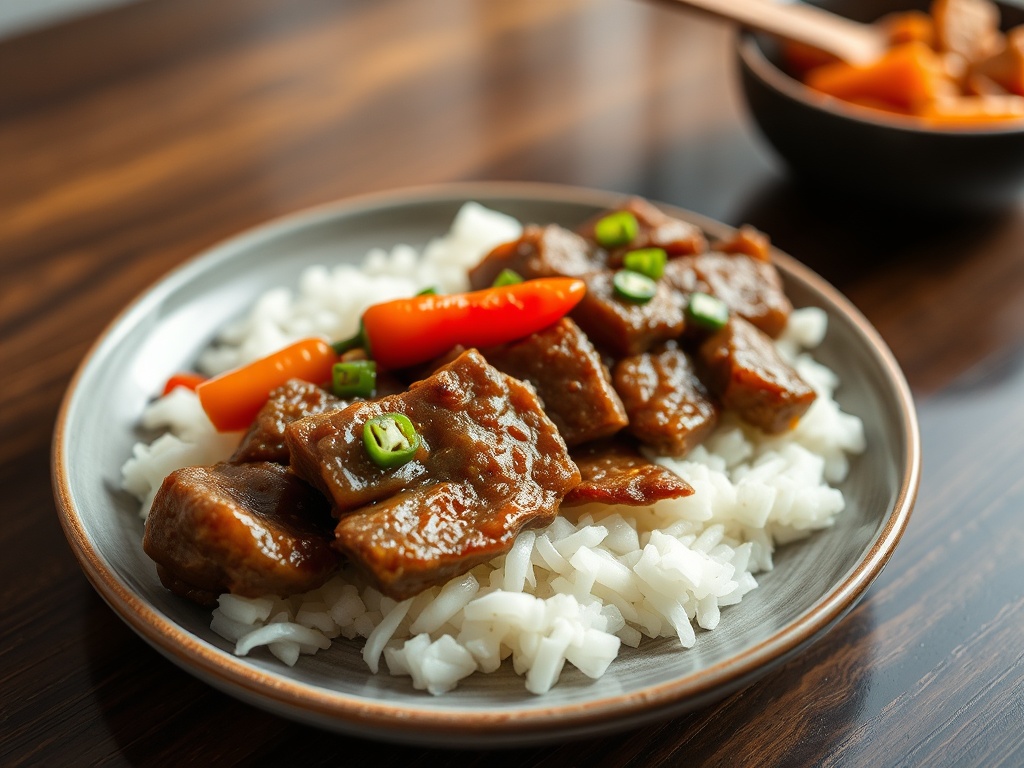
There are some dishes that instantly transport you to your favorite Chinese restaurant, and for many, Chinese Pepper Steak is at the very top of that list. This classic stir-fry is a beloved staple, cherished for its incredible balance of flavors and textures. Imagine succulent, tender slices of beef, perfectly seared and coated in a rich, savory sauce, mingling with crisp-tender bell peppers and sweet onions. It’s a dish that’s both comforting and exciting, satisfying those cravings for authentic Chinese cuisine right in your own kitchen.
What makes Chinese Pepper Steak so special? It’s the delightful interplay between the savory umami of the beef and sauce, the refreshing bite of the bell peppers, and the subtle sweetness of the onions. Unlike some stir-fries that can be overly saucy or heavy, Pepper Steak strikes a perfect harmony, allowing each ingredient to shine while contributing to a cohesive and incredibly satisfying experience. It’s also surprisingly quick to prepare, making it an ideal candidate for a delicious weeknight meal that feels anything but rushed.
This recipe isn’t just about throwing ingredients into a pan; it’s about mastering a few key techniques that elevate a simple stir-fry into an authentic culinary delight. We’ll delve into the secrets behind achieving that melt-in-your-mouth tender beef through a process called “velveting,” and guide you through creating a perfectly balanced sauce that coats every morsel with irresistible flavor. Get ready to unlock the secrets to a sizzling success and bring the vibrant taste of Chinese Pepper Steak to your dinner table – a dish that promises to become a regular in your rotation.
Nutritional Information
Per serving (approximate values):
- Calories: 480
- Protein: 35g
- Carbohydrates: 30g
- Fat: 25g
- Fiber: 4g
- Sodium: 1200mg
Ingredients
- 1 pound flank steak or skirt steak, thinly sliced against the grain
- 2 tablespoons cornstarch (for beef marinade)
- 1 tablespoon light soy sauce (for beef marinade)
- 1 teaspoon Shaoxing wine or dry sherry (for beef marinade)
- 1/2 teaspoon baking soda (optional, for extra tenderness)
- 2 tablespoons high smoke point oil (peanut, canola, or grapeseed), divided
- 1 large green bell pepper, cored, seeded, and cut into 1-inch pieces
- 1 large red bell pepper, cored, seeded, and cut into 1-inch pieces
- 1/2 large yellow onion, cut into 1-inch wedges
- 3 cloves garlic, minced
- 1-inch piece fresh ginger, grated or minced
- 1/2 cup beef broth or water
- 2 tablespoons light soy sauce (for sauce)
- 1 tablespoon dark soy sauce (for color, optional)
- 1 tablespoon oyster sauce
- 1 tablespoon Shaoxing wine or dry sherry (for sauce)
- 1 teaspoon granulated sugar
- 1/2 teaspoon white pepper
- 1 tablespoon cornstarch (for sauce slurry)
- 2 tablespoons water (for sauce slurry)
- 1 teaspoon sesame oil, for finishing
- Steamed white rice, for serving
- Green onions, sliced, for garnish (optional)
- Sesame seeds, for garnish (optional)
Instructions
- Prepare the Beef: Place the thinly sliced beef in a medium bowl. Add 2 tablespoons cornstarch, 1 tablespoon light soy sauce, 1 teaspoon Shaoxing wine (or dry sherry), and the optional 1/2 teaspoon baking soda. Mix thoroughly with your hands until the beef is well coated and slightly tacky. Let it marinate at room temperature for at least 15-20 minutes, or refrigerate for up to 30 minutes. This is the “velveting” process, crucial for tender beef.
- Prepare the Sauce: In a small bowl, whisk together the beef broth (or water), 2 tablespoons light soy sauce, 1 tablespoon dark soy sauce (if using), 1 tablespoon oyster sauce, 1 tablespoon Shaoxing wine (or dry sherry), 1 teaspoon granulated sugar, and 1/2 teaspoon white pepper. Set aside. In another small bowl, whisk together 1 tablespoon cornstarch and 2 tablespoons water to create a cornstarch slurry. Set aside.
- Stir-fry the Beef: Heat 1 tablespoon of high smoke point oil in a large wok or a heavy-bottomed skillet over high heat until shimmering and almost smoking. Add about half of the marinated beef in a single layer, ensuring not to overcrowd the pan. Sear for 1-2 minutes per side until nicely browned and mostly cooked through. Remove the seared beef to a clean plate. Add the remaining 1 tablespoon of oil to the wok and repeat with the second batch of beef. Remove the second batch of beef to the plate.
- Sauté the Aromatics and Vegetables: Reduce the heat to medium-high. Add the bell peppers and onion wedges to the same wok. Stir-fry for 3-4 minutes, until the vegetables are crisp-tender but still have a slight bite. Push the vegetables to one side of the wok, then add the minced garlic and grated ginger to the empty space. Stir-fry the garlic and ginger for about 30 seconds until fragrant, then mix them in with the vegetables.
- Combine and Thicken the Sauce: Pour the prepared sauce mixture over the vegetables in the wok. Bring the sauce to a gentle simmer. Give the cornstarch slurry a quick whisk again (as cornstarch settles) and slowly pour it into the simmering sauce while stirring continuously. Continue to stir until the sauce thickens to your desired consistency, usually about 30-60 seconds.
- Finish the Dish: Return all the seared beef slices and any accumulated juices from the plate back into the wok with the vegetables and thickened sauce. Toss everything together gently until the beef and vegetables are evenly coated in the rich sauce and heated through. Remove the wok from the heat and stir in the 1 teaspoon of sesame oil.
- Serve: Transfer the Chinese Pepper Steak immediately to serving plates. Garnish with sliced green onions and sesame seeds, if desired. Serve hot with plenty of steamed white rice to soak up the delicious sauce.
Cooking Tips and Variations
Achieving restaurant-quality Chinese Pepper Steak at home is all about attention to detail and a few clever techniques. Here are some tips to ensure your dish is a sizzling success every time.
The Secret to Tender Beef: Velveting
The most crucial step for tender beef is the velveting process. Slicing the beef thinly and against the grain is the first step. The cornstarch creates a protective coating that locks in moisture, while the baking soda (an optional but highly recommended addition) further tenderizes the meat by breaking down muscle fibers. Don’t skip this step, and make sure the beef is well coated and slightly tacky before cooking.
High Heat is Your Friend
Stir-frying demands high heat. This allows you to sear the beef quickly, creating a delicious crust while keeping the inside tender, and cooks the vegetables rapidly so they retain their vibrant color and crisp-tender texture. If your pan isn’t hot enough, ingredients will steam instead of sear, leading to a duller flavor and softer texture. Ensure your wok or skillet is smoking slightly before adding the beef.
Don’t Overcrowd the Pan
This is a common mistake that leads to steamed, grey beef instead of beautifully seared, browned pieces. Cook the beef in two batches if necessary. Giving the beef enough space allows it to make direct contact with the hot surface, promoting proper browning and preventing the temperature of the pan from dropping too much.
Mise en Place is Essential
“Mise en place” means “everything in its place” in French, and it’s vital for stir-frying. Because the cooking process is so fast, you won’t have time to chop vegetables or mix sauces once you start. Have all your ingredients prepped, measured, and within arm’s reach before you turn on the heat.
Taste and Adjust the Sauce
Before adding the cornstarch slurry, taste your sauce. This is your chance to adjust the seasoning. Need more sweetness? Add a pinch more sugar. Too salty? A splash more beef broth or water. Prefer it tangier? A tiny dash of rice vinegar can brighten it up. The sauce is the heart of the dish, so make sure it’s perfect for your palate.
Variations to Experiment With:
- Spice It Up: For those who love a kick, add a pinch of red pepper flakes along with the garlic and ginger, or a teaspoon of chili garlic sauce to the sauce mixture.
- Add More Vegetables: This dish is very versatile. Consider adding other quick-cooking vegetables like snap peas, sliced carrots, mushrooms, or baby corn. If adding harder vegetables like carrots or broccoli, par-blanch them quickly in boiling water for 1-2 minutes before adding them to the stir-fry to ensure even cooking.
- Different Cuts of Beef: While flank and skirt steak are ideal, you can also use top sirloin. Just ensure it’s sliced thinly against the grain for tenderness.
- Protein Swap: While it’s called “Pepper Steak,” the same technique and sauce can be adapted for chicken or pork. Slice chicken breast or thigh or pork loin thinly and follow the same velveting and cooking steps.
- Smokiness: For an extra layer of flavor, consider adding a dash of smoked paprika to the sauce, or a tiny bit of liquid smoke (use sparingly!).
Storage and Reheating
Chinese Pepper Steak makes for fantastic leftovers, often tasting even better the next day as the flavors meld and deepen. Proper storage and reheating techniques will ensure your dish remains delicious and safe to eat.
Storage:
- Cool Down Quickly: Once cooked, allow the Pepper Steak to cool down to room temperature within two hours. Do not leave it out for extended periods.
- Airtight Container: Transfer the cooled Pepper Steak into an airtight container. This prevents air exposure, which can dry out the food and lead to spoilage.
- Refrigeration: Store the container in the refrigerator for up to 3-4 days.
- Freezing: For longer storage, Chinese Pepper Steak can be frozen. Place the cooled dish in a freezer-safe airtight container or heavy-duty freezer bag. It can be frozen for up to 2-3 months. Thaw overnight in the refrigerator before reheating.
Reheating:
- Stovetop (Recommended for Best Results):
- Heat a wok or skillet over medium heat.
- Add a tablespoon of water or beef broth to the pan. This helps to loosen the sauce and add moisture.
- Add the leftover Pepper Steak to the pan.
- Stir-fry gently for 5-7 minutes, breaking up any clumps, until the beef and vegetables are heated through and the sauce is bubbling. Avoid high heat to prevent drying out the beef.
- Microwave:
- Place a single serving of Pepper Steak in a microwave-safe dish.
- Add a tablespoon of water or beef broth and cover the dish loosely with a lid or microwave-safe plastic wrap, leaving a small vent.
- Heat on medium power for 1-2 minutes, stir, then continue heating in 30-second intervals until fully heated through. Be careful not to overcook, as this can make the beef tough.
- Oven:
- Preheat your oven to 300°F (150°C).
- Place the Pepper Steak in an oven-safe dish, adding a splash of water or beef broth.
- Cover the dish tightly with foil.
- Heat for 15-20 minutes, or until thoroughly warmed through. This method is good for larger batches.
When reheating, always ensure the food reaches an internal temperature of 165°F (74°C) to ensure it is safe to eat. Adding a little extra liquid (water or broth) during reheating is crucial to prevent the sauce from becoming too thick or the beef from drying out.
Frequently Asked Questions
What is velveting beef and why is it important?
Velveting is a traditional Chinese cooking technique where meat (most commonly beef or chicken) is marinated in a mixture of cornstarch, soy sauce, and sometimes Shaoxing wine, egg white, or baking soda. The cornstarch creates a protective coating that seals in moisture during cooking, preventing the meat from drying out. The baking soda (if used) helps to tenderize the meat by breaking down muscle fibers. This process results in incredibly tender, succulent meat that is characteristic of restaurant-quality Chinese stir-fries, preventing the beef from becoming tough or chewy.
Can I make Chinese Pepper Steak ahead of time?
While the best results for Chinese Pepper Steak come from cooking and serving it fresh, you can certainly do some prep work ahead of time. You can slice and velvet the beef up to 30 minutes before cooking (or even a few hours if refrigerated). The sauce components can be mixed and stored in the refrigerator for a day or two. You can also chop all your vegetables ahead of time. However, for the best texture, especially the crispness of the bell peppers, it’s recommended to stir-fry the dish just before serving. Leftovers, as mentioned, store and reheat well, but the fresh-off-the-wok experience is unmatched.
What if I don’t have a wok? Can I still make this recipe?
Absolutely! While a wok is ideal for stir-frying due to its high heat retention and sloped sides that allow for easy tossing, a large, heavy-bottomed skillet or cast-iron pan will work perfectly fine. The key is to ensure your pan gets very hot and to avoid overcrowding it. If using a skillet, you might need to cook the beef and vegetables in slightly smaller batches than you would in a wok to maintain high heat and achieve proper searing instead of steaming.
Why did my sauce turn out too thin or too thick?
Sauce consistency is often a matter of the cornstarch-to-liquid ratio and cooking time. If your sauce is too thin, it likely needs more cornstarch. You can quickly make another small slurry (1 teaspoon cornstarch with 2 teaspoons cold water) and slowly whisk it into the simmering sauce until it reaches your desired thickness. If your sauce is too thick, it may have cooked down too much or had too much cornstarch. You can thin it out by adding a tablespoon or two of beef broth or water, stirring until it reaches the right consistency. Always add cornstarch slurry gradually and stir, as it thickens quickly.