
Introduction
There are some desserts that just whisper “comfort” and “nostalgia,” and a truly magnificent carrot cake is undoubtedly one of them. Far from being a mere vegetable disguised in sugar, carrot cake is a culinary masterpiece, celebrated for its incredible moistness, warming spices, and delightful texture. It’s a classic for a reason, gracing everything from humble family dinners to elegant celebrations, always bringing a smile to those who taste it. This particular recipe elevates the timeless appeal of carrot cake into an unforgettable experience, promising a homemade version that will quickly become a cherished favorite.
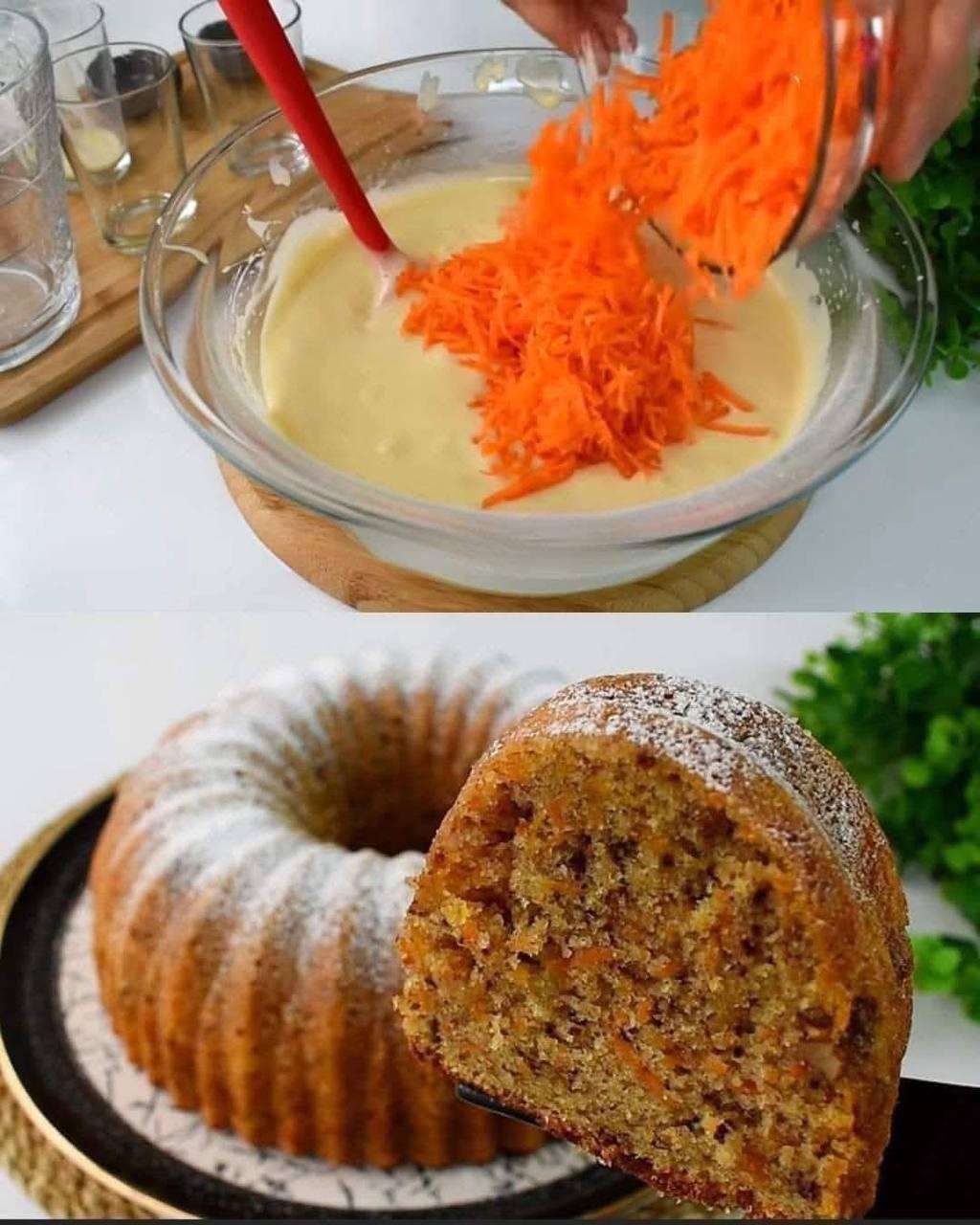
What makes *this* Carrot Walnut Bundt Cake so special? It’s a symphony of textures and flavors. Imagine a tender, incredibly moist crumb, infused with the natural sweetness of finely grated carrots and the rich, earthy notes of toasted walnuts. Each bite offers a perfect balance of warmth from cinnamon and nutmeg, creating a dessert that feels both familiar and exquisitely indulgent. The Bundt pan not only makes for a stunning presentation, but also ensures even baking and a beautiful golden-brown crust. Whether you’re a seasoned baker or just starting your culinary journey, this recipe promises a straightforward and incredibly rewarding experience, resulting in a cake that looks as impressive as it tastes.
This isn’t just a cake; it’s an occasion. Perfect for a cozy afternoon tea, a festive brunch, or as the grand finale to a special meal, its versatility is unmatched. While it shines brightly on its own, dusted simply with powdered sugar as pictured, it also serves as a magnificent canvas for a classic cream cheese frosting, if you so desire. Get ready to fill your kitchen with the irresistible aroma of baking spices and create a dessert that will have everyone asking for the recipe.
Nutritional Information
Per serving (approximate values, based on 12 servings):
- Calories: 480
- Protein: 5g
- Carbohydrates: 55g
- Fat: 28g
- Fiber: 3g
- Sodium: 280mg
Ingredients
- 2 cups (250g) all-purpose flour
- 2 teaspoons baking soda
- 1 teaspoon ground cinnamon
- ½ teaspoon ground nutmeg
- ¼ teaspoon ground cloves (optional, for extra spice)
- ½ teaspoon salt
- 1 ½ cups (300g) granulated sugar
- ½ cup (100g) packed light brown sugar
- 1 cup (240ml) vegetable oil (or other neutral oil like canola)
- 4 large eggs, at room temperature
- 1 teaspoon vanilla extract
- 3 cups (about 300g) finely grated carrots (from 4-5 medium carrots)
- 1 cup (120g) chopped walnuts, lightly toasted (optional, but recommended)
- Powdered sugar, for dusting (optional)
Instructions
- Preheat your oven to 350°F (175°C). Generously grease and flour a 10-12 cup Bundt pan, ensuring every crevice is coated to prevent sticking. Tap out any excess flour.
- In a large bowl, whisk together the dry ingredients: flour, baking soda, cinnamon, nutmeg, cloves (if using), and salt. Set aside.
- In a separate large bowl, combine the granulated sugar, brown sugar, and vegetable oil. Whisk until well combined and smooth.
- Add the eggs one at a time to the sugar and oil mixture, beating well after each addition until fully incorporated. Stir in the vanilla extract.
- Gradually add the dry ingredients to the wet ingredients, mixing on low speed or by hand with a spatula until just combined. Be careful not to overmix; a few streaks of flour are okay.
- Fold in the finely grated carrots and chopped walnuts until evenly distributed throughout the batter. The batter will be thick.
- Pour the batter evenly into the prepared Bundt pan. Gently tap the pan on the counter a few times to release any air bubbles.
- Bake for 50-65 minutes, or until a wooden skewer or toothpick inserted into the center of the cake comes out clean or with only a few moist crumbs attached.
- Once baked, remove the Bundt pan from the oven and let it cool in the pan on a wire rack for 15-20 minutes. This allows the cake to set and prevents it from breaking when inverted.
- After 15-20 minutes, carefully invert the cake onto a wire rack to cool completely. Do not attempt to move or slice the cake until it is fully cooled, which can take 1-2 hours.
- Once completely cool, dust generously with powdered sugar just before serving, if desired.
Cooking Tips and Variations
Achieving the perfect Carrot Walnut Bundt Cake is all about attention to a few key details. First and foremost, the carrots are crucial. Use a fine grater or a food processor with a grating attachment to ensure your carrots are finely shredded. This allows them to melt into the cake, contributing maximum moisture and flavor without creating large, chewy chunks. If your carrots are too coarse, the cake can end up dryer and less uniformly textured. Aim for about 3 cups of packed, finely grated carrots for the ideal moisture level.
Another essential tip for enhanced flavor is to lightly toast your walnuts before adding them to the batter. This simple step brings out their natural oils and deepens their nutty taste, adding another layer of complexity to the cake. You can do this by spreading them on a baking sheet and toasting them in a 350°F (175°C) oven for 5-7 minutes, or until fragrant. Let them cool completely before chopping and adding to the batter.
When mixing the batter, remember the golden rule of cake baking: do not overmix. Overmixing develops the gluten in the flour too much, leading to a tough and dry cake. Once you’ve added the dry ingredients to the wet, mix only until just combined. A few small streaks of flour are perfectly acceptable and will disappear during baking.
For variations, consider experimenting with the spices. While cinnamon and nutmeg are classics, a touch of ground ginger or cardamom can add an interesting new dimension. If walnuts aren’t your preference, pecans make an excellent substitute, offering a similar nutty crunch. For an extra touch of richness, you could add ½ cup of shredded unsweetened coconut to the batter along with the carrots and walnuts. This adds a subtle tropical note and even more moisture.
If you’re not a fan of Bundt cakes or don’t have a Bundt pan, this recipe can easily be adapted. You can bake it in a 9×13 inch baking pan for approximately 35-45 minutes, or in two 8-inch round cake pans for about 30-40 minutes. Adjust baking times accordingly and always check for doneness with a toothpick. For a truly decadent finish, consider pairing this cake with a rich cream cheese frosting. The tangy sweetness of cream cheese frosting complements the spiced carrot cake beautifully, making it an irresistible combination.
Finally, proper pan preparation for a Bundt cake cannot be overstated. A well-greased and floured Bundt pan is your best friend. Use a baking spray with flour, or thoroughly coat the pan with softened butter or shortening, then dust generously with flour, tapping out all excess. This meticulous step ensures your beautiful cake releases cleanly, preserving its intricate design.
Storage and Reheating
This Carrot Walnut Bundt Cake is one of those rare desserts that often tastes even better the day after it’s baked, as the flavors have more time to meld and deepen. Proper storage is key to maintaining its deliciousness and moist texture.
To store, allow the cake to cool completely before wrapping. If the cake is still warm when wrapped, condensation will form, making it soggy. Once completely cool, you can store the cake at room temperature for up to 3-4 days. Place it in an airtight container or wrap it tightly in plastic wrap to prevent it from drying out. If your cake is frosted with cream cheese frosting, it should be stored in the refrigerator due to the dairy content of the frosting. In the refrigerator, a frosted cake will last for up to 5-7 days, also in an airtight container.
For longer storage, this cake freezes beautifully. Once cooled, wrap the entire cake (or individual slices) very tightly in plastic wrap, then an additional layer of aluminum foil. This double layer of protection helps prevent freezer burn. Frozen, the cake can last for up to 2-3 months. To thaw, simply unwrap the cake and let it sit at room temperature for several hours until fully thawed. If it was frosted, you can thaw it in the refrigerator overnight.
Reheating is generally not necessary, as this cake is best enjoyed at room temperature. If you prefer a slightly warm slice, you can gently heat individual servings in the microwave for 15-30 seconds, or in a preheated oven at 250°F (120°C) for 5-10 minutes. Be careful not to overheat, as this can dry out the cake.
Frequently Asked Questions
What kind of carrots should I use for carrot cake?
For the best results, use fresh, firm carrots. Avoid pre-shredded carrots, as they tend to be drier and can have a different texture, and their flavor isn’t as vibrant. Finely grating your own carrots ensures maximum moisture and flavor in the cake. You’ll typically need about 4-5 medium-sized carrots to get 3 cups of finely grated carrots.
Can I make this cake without walnuts?
Absolutely! If you have a nut allergy or simply prefer your carrot cake without nuts, you can easily omit the walnuts from this recipe. The cake will still be incredibly moist and flavorful due to the carrots and spices. If you want to add a different texture, you could substitute the walnuts with an equal amount of shredded unsweetened coconut or even golden raisins, if you enjoy dried fruit in your cake.
Why is my carrot cake dry?
Several factors can lead to a dry carrot cake. The most common culprits are overmixing the batter, which develops too much gluten, and overbaking. Ensure you mix the wet and dry ingredients only until just combined. Also, keep a close eye on your oven and check for doneness at the lower end of the baking time range. An oven thermometer can help ensure your oven’s temperature is accurate. Using finely grated carrots also contributes significantly to moisture, so avoid coarsely grated carrots.
Can I use butter instead of oil in this recipe?
While you can substitute butter for oil in many cake recipes, oil is generally preferred for carrot cake because it contributes to a consistently moist and tender crumb that stays soft even when chilled. Butter, while adding flavor, can result in a slightly denser cake that can become firmer when cold. If you do opt for butter, use melted unsalted butter and ensure all other ingredients are at room temperature.