
Introduction
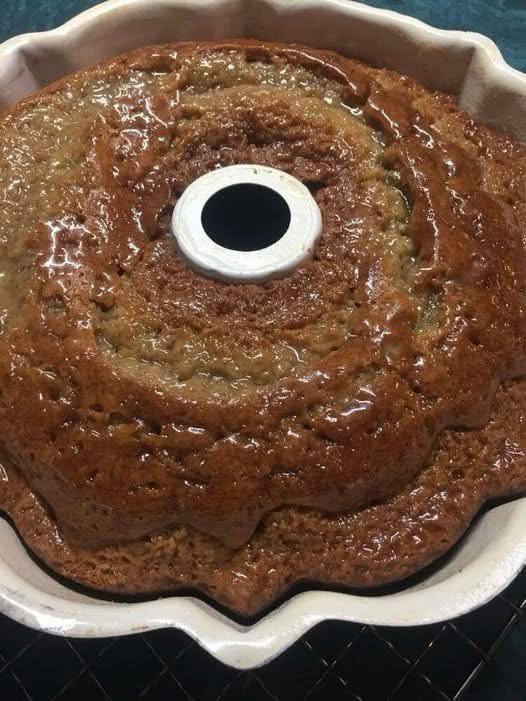
There are some desserts so utterly decadent, so ridiculously delicious, that they earn a reputation for being truly addictive. Enter “Crack Cake” – a name that perfectly encapsulates the irresistible, crave-worthy nature of this moist, tender, and intensely flavorful bundt cake. If you’ve never experienced the magic of a crack cake, prepare to have your dessert world rocked. It’s not just a cake; it’s an experience, a phenomenon that leaves everyone begging for another slice. The secret lies in its incredible moisture, the perfect balance of sweetness, and that glorious, seeped-in glaze that makes every bite an absolute dream.
What makes a crack cake so special, and why does it earn such a provocative name? It’s all about the texture and the way the glaze permeates every crevice of the cake, creating pockets of blissful, sugary goodness. Imagine a cake so tender it practically melts in your mouth, infused with a rich, buttery flavor, and then drenched in a sweet, often boozy, glaze that soaks deep within. This isn’t your average dry bundt cake; this is a masterpiece of moistness, designed to leave you utterly satisfied yet somehow always wanting just one more bite. It’s the kind of cake that disappears from the counter in record time, and for good reason.
While many crack cake recipes exist, promising varying levels of deliciousness, we’re here to present you with what we confidently proclaim as “The Best Crack Cake.” This particular recipe elevates the classic to new heights, focusing on key techniques and ingredient ratios that guarantee an unparalleled moist crumb and an intensely flavorful, perfectly absorbed glaze. We’ve refined every step to ensure your cake comes out of the oven golden, glistening, and utterly irresistible. Get ready to bake a dessert that will be the star of any gathering and quickly become a cherished family favorite. Prepare yourself for the addiction!
Nutritional Information
Per serving (approximate values):
- Calories: 450
- Protein: 5g
- Carbohydrates: 60g
- Fat: 22g
- Fiber: 1g
- Sodium: 350mg
Ingredients
- 1 (15.25 ounce) box yellow cake mix (Duncan Hines or Betty Crocker recommended)
- 1 (3.4 ounce) package instant vanilla pudding mix
- 4 large eggs
- 1/2 cup granulated sugar
- 1/2 cup vegetable oil
- 1/2 cup milk (whole milk recommended for richness)
- 1/2 cup sour cream (full-fat recommended)
- 1 teaspoon vanilla extract
- For the Glaze:
- 1/2 cup unsalted butter
- 1/4 cup milk
- 1 cup granulated sugar
- 1/2 cup powdered sugar
- 1 teaspoon vanilla extract (or rum extract for an extra kick)
Instructions
- Preheat your oven to 325°F (160°C).
- Thoroughly grease and flour a 10-12 cup bundt pan. Pay extra attention to all the nooks and crannies to ensure easy release.
- In a large mixing bowl, combine the yellow cake mix, instant vanilla pudding mix, eggs, 1/2 cup granulated sugar, vegetable oil, 1/2 cup milk, sour cream, and 1 teaspoon vanilla extract.
- Beat with an electric mixer on low speed for 30 seconds, then increase to medium speed and beat for 2 minutes, scraping down the sides of the bowl as needed. The batter should be smooth and well combined.
- Pour the batter evenly into the prepared bundt pan.
- Bake for 50-60 minutes, or until a wooden skewer or toothpick inserted into the center of the cake comes out clean.
- While the cake is baking, prepare the glaze. In a small saucepan, melt the 1/2 cup unsalted butter over medium heat.
- Add the 1/4 cup milk and 1 cup granulated sugar to the melted butter. Bring the mixture to a boil, stirring constantly, until the sugar is dissolved.
- Remove the saucepan from the heat and stir in the 1/2 cup powdered sugar and 1 teaspoon vanilla extract (or rum extract). Whisk until smooth.
- Once the cake is out of the oven, immediately poke holes all over the top surface of the cake using the wooden skewer or toothpick. Go deep, but not all the way through the bottom.
- Slowly pour the warm glaze evenly over the hot cake, allowing it to seep into all the holes. Try to get as much of the glaze into the cake as possible.
- Let the cake cool in the bundt pan for at least 30 minutes to 1 hour. This allows the glaze to fully absorb and the cake to set.
- Carefully invert the cooled cake onto a serving plate. If any glaze is left in the pan, you can spoon it over the cake.
- Allow the cake to cool completely before slicing and serving for the best texture and flavor.
Cooking Tips and Variations
The secret to a truly “crack-worthy” cake lies not just in the ingredients but also in the execution. First and foremost, proper pan preparation is paramount. Thoroughly grease your bundt pan with a baking spray that contains flour (like Baker’s Joy or Pam Baking), or use a combination of shortening and a dusting of flour. Every crevice must be coated to ensure a clean release. Don’t rush the cooling process in the pan; allowing the cake to sit for at least 30 minutes, or even an hour, enables the glaze to fully penetrate and the cake to firm up before inversion.
For an even moister cake, you can substitute buttermilk for regular milk in the batter. The acidity in buttermilk helps tenderize the crumb. If you don’t have buttermilk, simply add a tablespoon of white vinegar or lemon juice to regular milk and let it sit for 5 minutes before adding to the batter. To enhance the vanilla flavor, consider using vanilla bean paste instead of extract. For those who enjoy a hint of almond, a 1/4 teaspoon of almond extract can be added to the batter or the glaze.
When it comes to the glaze, don’t be shy with the poking! The more holes you make, the more glorious glaze the cake will absorb. Ensure the glaze is warm when you pour it over the hot cake; this helps it seep in more effectively. If you prefer a thicker, more opaque glaze, you can increase the amount of powdered sugar slightly. For a boozier kick, replace a tablespoon or two of milk in the glaze with rum, bourbon, or Kahlua. You can also add a pinch of cinnamon or nutmeg to the glaze for a warming spice note.
To vary the flavor profile, consider using a different cake mix flavor, such as butter pecan or chocolate, along with a complementary pudding mix. A chocolate crack cake with a coffee-infused glaze is divine. Or, for a citrus twist, use a lemon cake mix and pudding, and add lemon zest to the batter and lemon juice to the glaze. You can also fold in 1/2 cup of mini chocolate chips, chopped nuts (pecans or walnuts are excellent), or shredded coconut into the batter just before baking for added texture and flavor.
Always test your oven temperature with an oven thermometer, as ovens can vary widely. An accurately calibrated oven ensures even baking. If your cake starts to brown too quickly on top, you can loosely tent it with aluminum foil during the last 15-20 minutes of baking. Remember, consistency is key for the glaze; it should be pourable but not too thin. If it’s too thick, add a tiny bit more milk; if too thin, a touch more powdered sugar. This cake is quite forgiving, but these small adjustments can elevate it from great to truly “the best.”
Storage and Reheating
Storing your Best Crack Cake properly will ensure it remains moist and delicious for days. Once the cake has completely cooled, which is crucial for preventing condensation, you can store it at room temperature. The glaze acts as a protective barrier, locking in moisture. Place the cake under a cake dome, in an airtight container, or wrap it tightly in plastic wrap. Stored this way, the cake will stay fresh and incredibly moist for 3-4 days.
If you need to store it for a longer period, or if your kitchen is particularly warm, you can refrigerate the cake. Wrap it securely in plastic wrap and then place it in an airtight container to prevent it from absorbing any refrigerator odors. In the refrigerator, the cake will last for up to a week. However, be aware that refrigeration can slightly alter the texture, making it a bit denser. To bring it back to its best, allow refrigerated cake to come to room temperature for at least 30 minutes to an hour before serving.
Crack cake also freezes exceptionally well, making it perfect for preparing ahead or for enjoying a slice whenever a craving strikes. To freeze, ensure the cake is completely cooled. Wrap individual slices or the whole cake tightly in several layers of plastic wrap, then an additional layer of aluminum foil. This double wrapping helps prevent freezer burn. Label with the date. Frozen crack cake can be stored for up to 2-3 months.
To defrost, simply transfer the frozen cake (still wrapped) to the refrigerator overnight, or place it on the counter at room temperature for a few hours. Once thawed, unwrap it and let it sit at room temperature for a bit before serving. Reheating is generally not necessary, as this cake is best enjoyed at room temperature, where its moist crumb and rich glaze truly shine. If you insist on warming a slice, a brief 10-15 second zap in the microwave can gently warm it, but be careful not to overheat and dry it out.
Frequently Asked Questions
Why is my bundt cake sticking to the pan?
Bundt cakes are notorious for sticking, and it’s usually due to improper pan preparation. Ensure you are thoroughly greasing every part of the pan, especially the intricate designs, and then dusting it with flour. A baking spray specifically designed for baking (containing flour) like Baker’s Joy or Pam Baking often works best. Also, make sure the cake cools in the pan for the recommended time (30-60 minutes) before inverting; flipping it too soon or too late can also lead to sticking.
Can I use a different flavor of cake mix or pudding mix?
Absolutely! This recipe is incredibly versatile. You can experiment with various combinations. For example, a chocolate cake mix with chocolate fudge pudding, or a lemon cake mix with lemon pudding, would also be delicious. Just ensure the pudding mix is “instant” and not the cook-and-serve variety, as the instant pudding is key to the cake’s moist texture.
My glaze is too thin/too thick. How can I fix it?
If your glaze is too thin and running off the cake too quickly, you can whisk in an additional tablespoon or two of powdered sugar until it reaches your desired consistency. If it’s too thick and not spreading easily, add a teaspoon of milk (or even a tiny bit of water or extract) at a time, whisking well after each addition, until it’s pourable but still substantial enough to coat the cake.
Do I have to poke holes in the cake while it’s hot?
Yes, it’s crucial to poke the holes and pour the glaze over the cake while it’s still hot and in the pan. The heat of the cake helps the glaze melt and seep deep into the crumb, creating that signature moist, infused texture. If you wait until the cake is cool, the glaze won’t absorb as effectively and will mostly just sit on top.