
Introduction
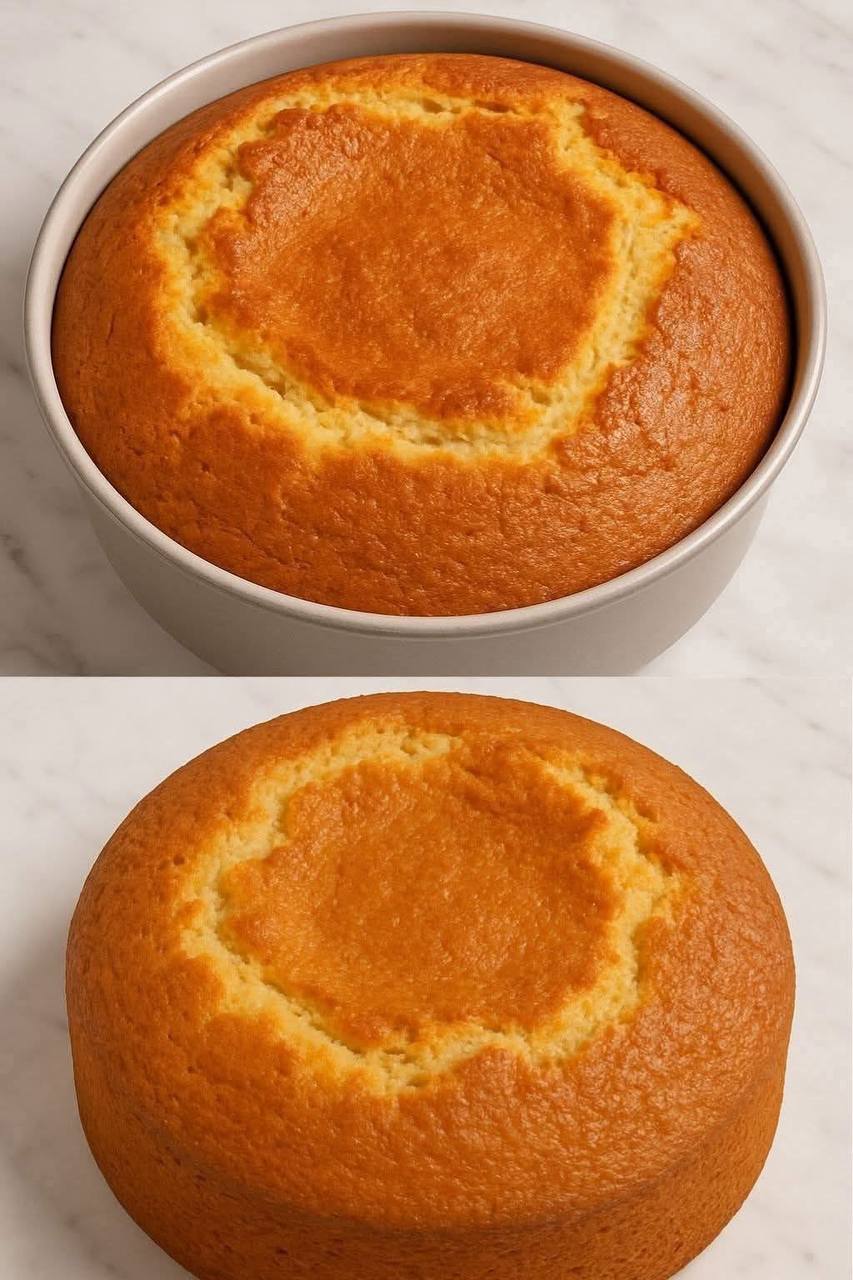
There are few things as comforting and universally loved as a slice of perfectly baked vanilla cake. It’s a timeless classic, a staple at celebrations, and a simple pleasure that never goes out of style. Our Fluffy Vanilla Cake with Eggs, Milk, and Butter recipe is designed to deliver that quintessential experience: a cake that’s incredibly tender, moist, and bursting with pure vanilla flavor. This isn’t just any vanilla cake; it’s the kind that evokes childhood memories, fills your home with an irresistible aroma, and makes every bite feel like a warm hug.
What sets this particular recipe apart is its reliance on foundational baking ingredients – fresh eggs, whole milk, and real butter – to achieve an unparalleled texture and richness. These humble components, when combined with careful technique, transform into a cake that is remarkably light and airy, yet substantial enough to hold its own. Whether you’re a seasoned baker or just starting your culinary journey, this foolproof recipe guides you to a successful, show-stopping dessert every time. It’s perfect for birthdays, holidays, or simply as a delightful treat to brighten any ordinary day.
This Fluffy Vanilla Cake isn’t just about deliciousness; it’s about the magic of baking. We’ll delve into the simple science behind its amazing fluffiness, ensuring you understand not only how to make it, but why it works so well. Get ready to bake a cake that will impress everyone who tastes it, a cake that truly lives up to its name: Fluffy Vanilla Cake with Eggs, Milk, and Butter.
Nutritional Information
Per serving (approximate values):
- Calories: 380
- Protein: 5g
- Carbohydrates: 55g
- Fat: 16g
- Fiber: 1g
- Sodium: 280mg
Ingredients
- 2 ½ cups (300g) all-purpose flour, spooned and leveled
- 1 ½ cups (300g) granulated sugar
- 1 tablespoon baking powder
- ½ teaspoon salt
- 1 cup (226g) unsalted butter, softened to room temperature
- 4 large eggs, at room temperature
- 1 cup (240ml) whole milk, at room temperature
- 2 teaspoons pure vanilla extract (use high-quality for best flavor)
- For the pan: Butter and flour
Instructions
- Prepare Your Pan: Preheat your oven to 350°F (175°C). Grease and flour two 8-inch round cake pans or one 9×13 inch rectangular pan. To grease, rub butter all over the inside of the pans, ensuring every surface is coated. Then, sprinkle a tablespoon or two of flour into each pan, tilting and tapping to coat the buttered surfaces evenly. Tap out any excess flour. This step is crucial for preventing the cake from sticking.
- Combine Dry Ingredients: In a large mixing bowl, whisk together the all-purpose flour, granulated sugar, baking powder, and salt. Whisk for about 30 seconds to ensure all the ingredients are well combined and aerated. Set aside.
- Cream Butter: In a separate large bowl, using an electric mixer (stand mixer with paddle attachment or hand mixer), beat the softened unsalted butter on medium speed for 2-3 minutes until it becomes light, fluffy, and pale in color. This creaming process incorporates air into the butter, which is vital for a fluffy cake.
- Add Eggs: Add the large eggs one at a time to the creamed butter, beating well after each addition. Make sure each egg is fully incorporated before adding the next. Scrape down the sides of the bowl as needed to ensure everything is mixed evenly. The mixture might look slightly curdled at this stage, but don’t worry, it will come together.
- Combine Wet Ingredients: In a small bowl or measuring cup, whisk together the whole milk and pure vanilla extract.
- Alternate Dry and Wet Ingredients: With the mixer on low speed, gradually add the dry ingredients to the wet ingredients, alternating with the milk mixture. Begin and end with the dry ingredients. Add about one-third of the flour mixture, mix until just combined, then add half of the milk mixture, mix. Add another third of the flour, mix, then the remaining milk, mix. Finally, add the last third of the flour mixture. Mix until just combined and no streaks of flour remain. Be careful not to overmix the batter, as overmixing can develop the gluten in the flour, leading to a tough cake.
- Pour into Pans: Divide the batter evenly between the prepared cake pans. Use an offset spatula or the back of a spoon to gently spread the batter to the edges of the pans, ensuring the tops are as level as possible.
- Bake: Transfer the pans to the preheated oven. Bake for 28-35 minutes for 8-inch round pans, or 35-45 minutes for a 9×13 inch pan. The baking time will vary depending on your oven and the pan size. The cake is done when a wooden skewer or toothpick inserted into the center comes out clean or with a few moist crumbs attached, but no wet batter. The tops should be golden brown and spring back when lightly touched.
- Cool: Once baked, remove the cakes from the oven and let them cool in their pans on a wire rack for 10-15 minutes. This allows the cake to set and firm up, making it easier to remove from the pans.
- Invert and Cool Completely: After 10-15 minutes, carefully invert the cakes onto the wire rack. Gently remove the pans. Allow the cakes to cool completely to room temperature before frosting. Attempting to frost a warm cake will cause the frosting to melt and slide off.
Cooking Tips and Variations
For the absolute best results with your Fluffy Vanilla Cake, attention to a few key details can make all the difference. Firstly, and arguably most importantly, ensure all your ingredients are at room temperature. This includes butter, eggs, and milk. Room temperature ingredients emulsify much better, creating a smoother, more uniform batter that traps air more effectively, leading to a lighter and fluffier cake. If your butter isn’t soft enough, cut it into small pieces and let it sit for 15-30 minutes, or microwave it for 5-10 seconds at a time until just softened (not melted). For eggs, place them in a bowl of warm water for 5-10 minutes. For milk, microwave it for 10-15 seconds.
Another crucial tip is to avoid overmixing the batter. Once you add the flour, mix only until just combined and no streaks of flour are visible. Overmixing develops the gluten in the flour, which can result in a dense, tough cake rather than a tender, fluffy one. The goal is to gently incorporate the ingredients without overworking them. When adding dry and wet ingredients alternately, start and end with the dry ingredients to help create a stable emulsion and prevent the batter from separating.
Don’t be tempted to open the oven door frequently during baking, especially in the first 20 minutes. Sudden changes in temperature can cause the cake to sink in the middle. Trust your oven and the suggested baking times, using the toothpick test only when the cake looks nearly done. Also, always properly grease and flour your cake pans. This is a simple step that guarantees your beautifully baked cake will release cleanly from the pan, preventing frustration.
This versatile vanilla cake recipe is also a fantastic base for various flavor variations. To change the extract, simply swap out the vanilla for 1 ½ teaspoons of almond extract for a delicate nutty flavor, or 2 teaspoons of lemon extract for a bright, citrusy twist. You can also incorporate zest from one lemon or orange directly into the sugar during the creaming stage for an extra burst of fresh flavor. For added texture and flavor, consider folding in ½ cup of chocolate chips, fresh berries (tossed lightly in a tablespoon of flour to prevent sinking), or even rainbow sprinkles for a fun “funfetti” cake. Just be sure not to overmix when adding these extras.
When it comes to frosting, the possibilities are endless. A classic vanilla buttercream is always a winner, complementing the cake’s flavor perfectly. For something richer, a chocolate ganache or chocolate buttercream would be divine. Lemon cream cheese frosting offers a tangy contrast, while a simple fresh berry compote and whipped cream can make for a lighter, more elegant presentation. You can also experiment with fillings between layers, such as fruit curds, jams, or even a thin layer of Nutella, to elevate your cake to a whole new level of deliciousness.
Storage and Reheating
Proper storage is key to keeping your Fluffy Vanilla Cake fresh and delicious. If the cake is unfrosted, wrap individual layers tightly in plastic wrap to prevent them from drying out. Store at room temperature for up to 2 days, or in the refrigerator for up to 5 days. For longer storage, unfrosted layers can be wrapped in plastic wrap and then aluminum foil, and frozen for up to 2-3 months. Thaw frozen layers in the refrigerator overnight or at room temperature for a few hours before frosting.
Once frosted, the cake should be stored in an airtight cake carrier or under a cake dome at room temperature for up to 3 days. If your frosting contains cream cheese or fresh fruit, it’s best to refrigerate the cake. When refrigerating, cover the cake loosely with plastic wrap to prevent condensation from forming on the frosting, which can make it sticky. Remove the cake from the refrigerator about 30-60 minutes before serving to allow it to come to room temperature, as this will improve its texture and flavor.
For reheating a slice of cake (unfrosted or with stable frosting), you can gently warm it in the microwave for 10-15 seconds. Be careful not to overheat, as this can dry out the cake. Most often, this cake is best enjoyed at room temperature, where its tender crumb and delicate flavors truly shine.
Frequently Asked Questions
Why did my cake sink in the middle?
There are a few common reasons for a cake to sink. It could be due to opening the oven door too early, causing a sudden temperature drop before the cake has set. It might also be a result of overmixing the batter, which incorporates too much air that then collapses, or using too much leavening agent. An oven that isn’t preheated properly or has an inconsistent temperature can also be a culprit. Ensure your oven temperature is accurate with an oven thermometer.
Can I make this cake gluten-free?
While this recipe is developed for all-purpose flour, you can often adapt it to be gluten-free by using a 1:1 gluten-free all-purpose flour blend that contains xanthan gum. However, the texture might be slightly different, potentially a bit denser or more crumbly. Always follow the specific instructions for your chosen gluten-free flour blend, as some may require slight adjustments to liquid content or baking time.
How do I know if my butter is at “room temperature”?
Room temperature butter should be soft enough to make an indentation easily with your finger, but not so soft that it’s greasy or melted. It should hold its shape and not be shiny. If it’s too cold, it won’t cream properly, leading to a dense cake. If it’s too warm or melted, it won’t incorporate enough air, also affecting the texture. Typically, it takes about 30-60 minutes for butter to come to room temperature on the counter.
Can I make this cake into cupcakes?
Absolutely! This recipe works wonderfully for cupcakes. Line a 12-cup muffin tin with paper liners. Fill each liner about two-thirds full. Bake at 350°F (175°C) for approximately 18-22 minutes, or until a toothpick inserted into the center of a cupcake comes out clean. The yield will be around 24 standard-sized cupcakes.