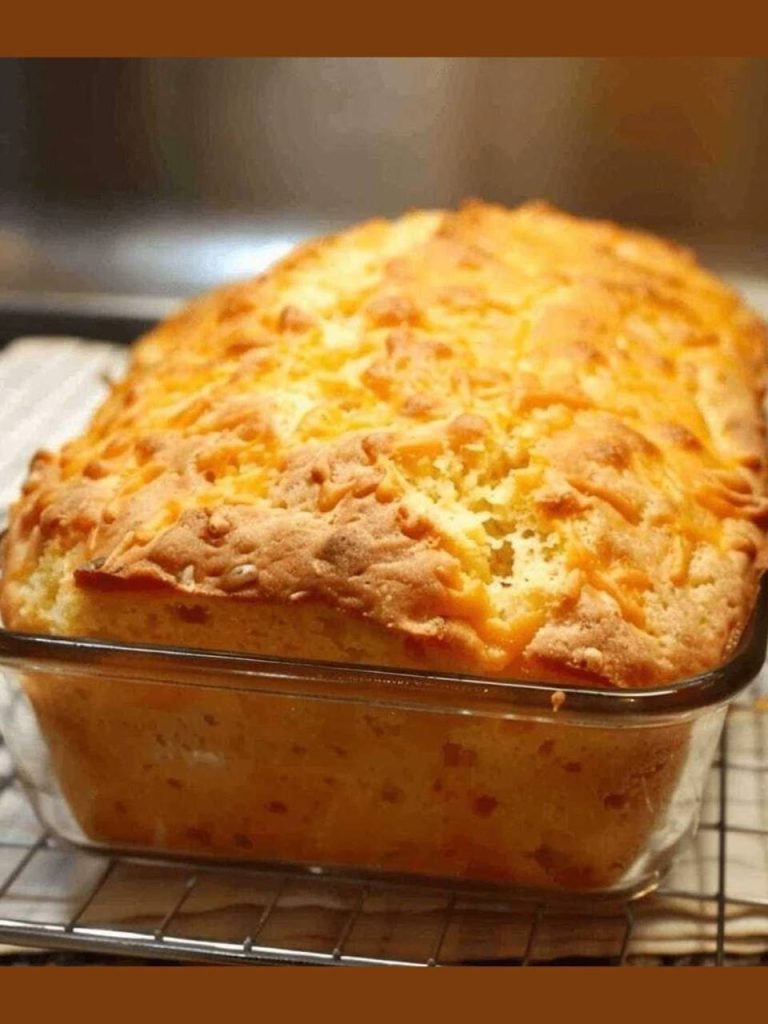


Introduction
There’s nothing quite like the comforting aroma of freshly baked goods wafting from the kitchen, and when those goods are perfectly golden, impossibly soft, and melt-in-your-mouth fluffy, you know you’ve hit culinary gold. Today, we’re diving into the delightful world of scones – not just any scones, but the kind that boast a rich, golden hue, a tender crumb, and an irresistible lightness that makes them utterly addictive. These aren’t just a treat; they’re an experience, a simple pleasure that elevates any breakfast, brunch, or afternoon tea into a special occasion.
What makes our Golden Fluffy Scones so special? It’s a combination of classic techniques and quality ingredients, creating a pastry that’s both elegant and approachable. The secret lies in the careful balance of fat, flour, and leavening agents, all brought together with a gentle touch. The result is a scone that rises beautifully, developing a crisp, golden exterior thanks to a luxurious egg wash, while remaining incredibly soft and moist on the inside. Each bite offers a delicate sweetness and a subtle richness, making them perfect on their own or as a canvas for your favorite jams, clotted cream, or butter.
Whether you’re a seasoned baker or just starting your journey in the kitchen, this recipe for Golden Fluffy Scones is designed for success. We’ll guide you through each step, ensuring that you achieve bakery-quality results right in your own home. Prepare to impress your family and friends with these beautiful, delicious, and surprisingly easy-to-make treats that are guaranteed to become a cherished addition to your recipe repertoire.
Nutritional Information
Per serving (approximate values):
- Calories: 280
- Protein: 6g
- Carbohydrates: 35g
- Fat: 13g
- Fiber: 1g
- Sodium: 350mg
Ingredients
- 2 ½ cups (300g) all-purpose flour, plus more for dusting
- 1 tablespoon baking powder
- ½ teaspoon baking soda
- ¼ teaspoon salt
- ¼ cup (50g) granulated sugar
- ½ cup (113g) unsalted butter, very cold and cut into small cubes
- 1 large egg, for the dough
- ¾ cup (180ml) cold buttermilk (or milk with 1 tbsp lemon juice, let sit 5 mins)
- 1 large egg yolk, for egg wash
- 1 tablespoon milk or cream, for egg wash
Instructions
- Preheat your oven to 400°F (200°C). Line a baking sheet with parchment paper.
- In a large bowl, whisk together the flour, baking powder, baking soda, salt, and granulated sugar. Make sure there are no lumps and all ingredients are evenly distributed.
- Add the very cold, cubed butter to the dry ingredients. Using a pastry blender, your fingertips, or two knives, cut the butter into the flour mixture until it resembles coarse crumbs with some pea-sized pieces of butter remaining. The colder the butter, the flakier your scones will be.
- In a separate small bowl, whisk the large egg for the dough with the cold buttermilk until just combined.
- Pour the wet ingredients into the dry ingredients. Using a fork or a spatula, gently mix until just combined. Be careful not to overmix; the dough will be shaggy and a bit sticky, but that’s perfectly fine. Overmixing develops gluten, which can lead to tough scones.
- Turn the dough out onto a lightly floured surface. Gently pat the dough into a disc about ¾ to 1 inch thick. Avoid kneading or working the dough too much.
- Using a 2 to 2 ½ inch round biscuit cutter (or a knife for wedges), cut out the scones. Dip the cutter in flour before each cut to prevent sticking. Press straight down and lift; do not twist the cutter, as twisting can seal the edges and prevent a good rise.
- Gather the scraps gently, pat them together, and cut out any remaining scones. You should get about 8-10 scones depending on the size of your cutter.
- Place the cut scones onto the prepared baking sheet, leaving about an inch between each.
- In a small bowl, whisk together the egg yolk and 1 tablespoon of milk or cream to create an egg wash. Gently brush the tops of the scones with the egg wash. This will give them a beautiful golden-brown crust.
- Bake for 15-18 minutes, or until the tops are beautifully golden brown and a wooden skewer inserted into the center comes out clean.
- Remove the scones from the oven and transfer them to a wire rack to cool slightly.
- Serve warm with your favorite jam, clotted cream, or a pat of butter.
Cooking Tips and Variations
Achieving bakery-quality scones at home is easier than you think, especially with a few key tips. The most crucial rule for flaky, tender scones is to keep your ingredients, especially the butter and buttermilk, as cold as possible. Cold butter creates pockets of steam during baking, which results in those coveted flaky layers. If your kitchen is warm, you can even chill your flour for 15-20 minutes before starting. Another vital tip is to avoid overworking the dough. Over-mixing develops gluten, leading to a tough, dense scone rather than a light and airy one. Mix until just combined, even if it looks a bit shaggy, and handle the dough gently when patting it out and cutting.
When cutting your scones, always press the cutter straight down without twisting. Twisting can seal the edges of the scone, preventing it from rising to its full potential. For an extra boost in rise and freshness, you can lightly chill the cut scones on the baking sheet for 10-15 minutes before baking. This helps the butter stay firm and contributes to a better lift in the oven. Finally, don’t skimp on the egg wash; it’s what gives these scones their beautiful golden sheen and slightly crisp top crust.
For variations, the possibilities are endless! For a tangy twist, you can substitute the buttermilk with an equal amount of plain yogurt or sour cream. If you don’t have buttermilk, simply add 1 tablespoon of lemon juice or white vinegar to regular milk and let it sit for 5 minutes before using. To add flavor, consider incorporating citrus zest (lemon, orange, or lime) into the dry ingredients. For sweet variations, fold in ½ cup of dried cranberries, raisins, currants, or chocolate chips at the same stage you add the liquid ingredients. If you prefer savory scones, omit the sugar and add ½ cup of shredded cheddar cheese, chives, or herbs like rosemary and thyme. A pinch of black pepper can also be a nice addition to savory versions. Remember to adjust the added ingredients based on your preference, but always maintain the coldness of the butter and the gentle handling of the dough for the best results.
Storage and Reheating
These Golden Fluffy Scones are best enjoyed fresh, ideally on the day they are baked, when their texture is at its peak. However, if you have leftovers, they can be stored to maintain their deliciousness for a short period. Once completely cooled, place the scones in an airtight container or a large resealable plastic bag. Store them at room temperature for up to 2-3 days. To extend their freshness, you can also freeze baked scones. Wrap individual cooled scones tightly in plastic wrap, then place them in a freezer-safe bag or container. They can be frozen for up to 1 month.
When it comes to reheating, there are a few methods to bring them back to their warm, tender glory. For room temperature scones, preheat your oven to 300°F (150°C). Place the scones directly on a baking sheet and heat for about 5-8 minutes, or until warmed through. This method helps to crisp up the exterior and soften the interior without drying them out. Alternatively, you can use a toaster oven on a low setting for 3-5 minutes, keeping a close eye on them to prevent burning. For a quicker option, especially if you’re just heating one or two, a microwave can be used, but be cautious. Microwave for 15-30 seconds, checking frequently, as microwaving can sometimes make scones a bit chewy if overdone. If reheating from frozen, it’s best to let them thaw at room temperature for an hour or so, then follow the oven reheating instructions. Reheating them directly from frozen in the oven might take a bit longer, around 10-15 minutes, until fully warmed through.
Frequently Asked Questions
Why are my scones tough and dense instead of light and fluffy?
The most common reason for tough scones is overworking the dough. When you overmix or knead the dough too much, you develop the gluten in the flour, which leads to a chewy, dense texture. Scone dough should be handled gently and mixed only until the ingredients are just combined, even if it looks a bit shaggy. Additionally, not keeping the butter cold can also contribute to a less tender scone, as the cold butter is crucial for creating steam and pockets of air during baking.
Can I make these scones without buttermilk?
Yes, absolutely! If you don’t have buttermilk on hand, you can easily make a substitute. Simply add 1 tablespoon of lemon juice or white vinegar to a measuring cup, then fill the rest of the cup with regular milk (dairy or non-dairy) until you reach ¾ cup. Stir it gently and let it sit for 5-10 minutes. The milk will curdle slightly, approximating the acidity and texture of buttermilk, which reacts with the baking soda to create a good rise.
Can I prepare the scone dough ahead of time?
Yes, you can prepare the scone dough in advance. After cutting the scones and placing them on the baking sheet, you can cover the baking sheet loosely with plastic wrap and refrigerate for up to 12-24 hours. You can even freeze the cut, unbaked scones. Place them on a baking sheet and freeze until solid, then transfer them to a freezer-safe bag or container for up to 1 month. When ready to bake, you can bake them directly from the refrigerator (adding a few minutes to the baking time) or from frozen (adding about 5-10 minutes to the baking time), brushing with egg wash just before baking.
What is the best way to cut the butter into the flour mixture?
There are several effective methods for cutting cold butter into flour. The traditional method uses a pastry blender, which is ideal for quickly incorporating the butter without melting it. Alternatively, you can use two knives to “cut” the butter into small pieces. For a hands-on approach, you can use your fingertips, quickly rubbing the butter into the flour until it resembles coarse crumbs with some pea-sized pieces remaining; be quick to avoid melting the butter with the warmth of your hands. For a very quick method, you can grate frozen butter directly into the flour using a box grater, then toss it gently to combine.