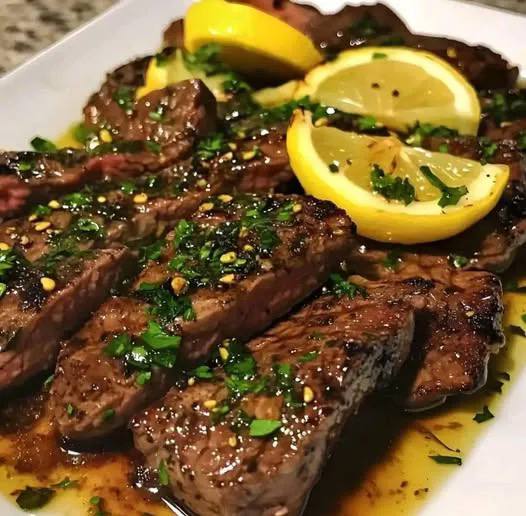

Best Steak Marinade In Existence
What makes a steak truly exceptional? Is it the perfect cut, seared to a beautiful crust with a juicy, tender interior? While a great piece of meat is certainly the foundation, the secret weapon that elevates a good steak to an unforgettable culinary experience lies elsewhere. It’s in the marinade – a magical elixir that tenderizes, infuses, and transforms every bite into a symphony of flavor. Prepare to unlock the ultimate secret to steak perfection with what we confidently call the “Best Steak Marinade In Existence.” This isn’t just any marinade; it’s a meticulously crafted blend designed to deliver a steak that is bursting with vibrant, tangy, savory, and fresh notes, leaving you and your guests speechless.
Imagine sinking your teeth into a piece of steak so tender it practically melts, each mouthful exploding with zesty lemon, aromatic herbs, and a savory depth that keeps you coming back for more. This marinade promises just that: a consistently perfect steak, whether you’re grilling outdoors on a warm summer evening or pan-searing indoors for a cozy dinner. It’s incredibly easy to prepare, yet the results are profoundly impressive, making you look like a seasoned chef with minimal effort. Get ready to ditch bland, dry steaks forever because once you try this recipe, your steak game will be irrevocably changed for the better. We encourage you to try this recipe for perfect steak every time, and prepare to be amazed.
Before we dive into the recipe itself, let’s explore why this marinade is so incredibly effective. We’ll break down the science behind its tenderizing power and the thoughtful combination of ingredients that create such a harmonious flavor profile. From the initial zesty tang to the lingering savory finish, every component plays a crucial role in making this the best steak marinade you’ll ever encounter. This isn’t just about throwing ingredients together; it’s about understanding how they interact to achieve culinary greatness. So, let’s unlock the secrets to an extraordinary steak experience.
Why This Marinade Works: The Science & Flavor
Marinades are culinary powerhouses, performing two crucial functions: tenderizing meat and infusing it with deep, complex flavors. This “Best Steak Marinade In Existence” excels at both, thanks to a carefully balanced combination of ingredients that work synergistically. The science behind it is simple yet effective, ensuring every bite of your steak is pure perfection.
At the heart of this marinade’s tenderizing power is acid, primarily from fresh lemon juice. Acids break down the tough connective tissues in meat, making it more pliable and tender. Unlike some harsh acids that can “cook” the meat if left too long, lemon juice offers a gentler approach, providing effective tenderization without turning the steak mushy. It also brightens the overall flavor profile, cutting through the richness of the meat and preventing it from tasting heavy. This acidic component is crucial for achieving that melt-in-your-mouth texture that defines a truly great steak.
Next, we have the oil, typically olive oil, which plays multiple vital roles. First, it helps to distribute the fat-soluble flavor compounds throughout the meat, ensuring even flavor penetration. Second, it acts as a barrier, preventing the meat from drying out during the marinating process and helping to retain moisture during cooking. Third, when the steak hits the hot pan or grill, the oil contributes to achieving that coveted golden-brown crust through the Maillard reaction, adding another layer of savory complexity and textural contrast. The rich, fruity notes of good olive oil also enhance the overall aroma and taste of the finished dish.
The fresh herbs – specifically parsley and often cilantro – are the soul of this marinade’s vibrant flavor. Herbs like parsley offer a fresh, slightly peppery, and clean taste that complements the richness of the beef without overwhelming it. Cilantro, if used, adds a distinctive citrusy, almost peppery note that can be incredibly refreshing. These fresh elements are packed with volatile compounds that seep into the steak, creating an aromatic depth that is both invigorating and comforting. They transform the steak from a simple piece of meat into a fragrant, gourmet experience, adding visual appeal with their flecks of green.
Garlic and onion, though not always visually distinct in the final dish, are foundational flavor builders. Garlic provides a pungent, savory, and slightly sweet undertone that is essential to almost any savory marinade. It adds depth and warmth, creating a robust base that holds up beautifully to the strong flavors of beef. Onion, whether in powder or fresh form, adds another layer of allium complexity, contributing to the overall umami and savory profile. Together, they create a rich, aromatic bedrock upon which the other flavors can shine, enhancing the steak’s natural taste.
Finally, we have the spices and seasonings, which provide the finishing touches. Salt is paramount; it not only seasons the meat but also aids in the tenderizing process by drawing out moisture and then allowing the marinade to penetrate more deeply. Freshly ground black pepper adds a subtle heat and aromatic bite. Other spices, like a hint of red pepper flakes, can introduce a gentle warmth, while ingredients like a touch of Dijon mustard can add a tangy, piquant kick that rounds out the flavor. The balance of these elements – savory, acidic, herbaceous, and subtly spicy – is what makes this marinade so exceptional. It’s a symphony of flavors designed to enhance, not overpower, the natural deliciousness of the steak, resulting in a perfectly tender, incredibly flavorful, and truly unforgettable meal every single time.
Nutritional Information
Per serving (approximate values):
- Calories: 450-550
- Protein: 40-50g
- Carbohydrates: 5-10g
- Fat: 25-35g
- Fiber: 1-2g
- Sodium: 400-600mg
Ingredients
- 1.5-2 lbs flank steak, skirt steak, sirloin steak, or ribeye, about 1-inch thick
- 1/4 cup fresh lemon juice (from 1-2 lemons)
- 1/4 cup extra virgin olive oil
- 4 cloves garlic, minced
- 2 tablespoons fresh parsley, finely chopped
- 1 tablespoon fresh cilantro, finely chopped (optional, but recommended for extra zest)
- 1 teaspoon Dijon mustard
- 1/2 teaspoon smoked paprika (optional, for depth)
- 1/2 teaspoon red pepper flakes (adjust to taste for heat)
- 1/2 teaspoon dried oregano (or 1.5 tsp fresh)
- 1 teaspoon sea salt (or to taste)
- 1/2 teaspoon freshly ground black pepper (or to taste)
- Lemon wedges, for serving
- Extra fresh herbs (parsley, cilantro), for garnish
Instructions
- Prepare the Steak: If your steak is thicker than 1 inch, you may want to gently pound it to an even thickness to ensure uniform cooking. Pat the steak thoroughly dry with paper towels. This step is crucial for achieving a good sear later.
- Whisk the Marinade: In a medium non-reactive bowl (glass or plastic), combine the fresh lemon juice, extra virgin olive oil, minced garlic, finely chopped parsley, optional finely chopped cilantro, Dijon mustard, optional smoked paprika, red pepper flakes, dried oregano, sea salt, and freshly ground black pepper. Whisk vigorously until all ingredients are well combined and the marinade is emulsified.
- Marinate the Steak: Place the pat-dried steak into a shallow dish or a large, sealable plastic bag. Pour the prepared marinade evenly over the steak, ensuring all surfaces are coated. If using a dish, turn the steak a few times to evenly distribute the marinade. If using a bag, massage the marinade into the steak.
- Chill and Marinate: Cover the dish or seal the bag and refrigerate for at least 2 hours, but ideally 4-6 hours for thinner cuts like flank or skirt steak. For thicker cuts like sirloin or ribeye, you can marinate for up to 8-12 hours. Avoid marinating for longer than 12 hours, especially with acidic marinades, as the meat can become mushy.
- Prepare for Cooking: Approximately 30-45 minutes before cooking, remove the steak from the refrigerator and let it come to room temperature. This helps the steak cook more evenly. Remove the steak from the marinade, discarding any excess marinade. Pat the steak dry again with paper towels. This step is vital for a good sear as moisture inhibits browning.
- Cook on the Stovetop (Pan-Searing): Heat a heavy-bottomed skillet (cast iron is ideal) over high heat until it’s smoking slightly. Add 1-2 tablespoons of high smoke point oil (like grapeseed, avocado, or canola oil) to the hot pan. Carefully place the steak in the hot pan.
- Sear the Steak: Cook the steak for 3-5 minutes per side for medium-rare, or longer for desired doneness. For a beautiful crust, avoid moving the steak too much during searing. Use tongs to sear the edges as well, if applicable. Once seared, reduce heat to medium and continue cooking until internal temperature reaches your desired doneness.
- Cook on the Grill: Preheat your grill to high heat (around 450-500°F or 230-260°C). Clean the grill grates thoroughly and lightly oil them. Place the steak directly over the high heat. Grill for 3-5 minutes per side for medium-rare, turning once. Adjust cooking time based on thickness and desired doneness.
- Check for Doneness: Use an instant-read meat thermometer inserted into the thickest part of the steak (without touching bone) to check for doneness:
- Rare: 125-130°F (52-54°C)
- Medium-Rare: 130-135°F (54-57°C)
- Medium: 135-140°F (57-60°C)
- Medium-Well: 140-145°F (60-63°C)
- Rest the Steak: This is a non-negotiable step! Once cooked, transfer the steak to a cutting board and tent it loosely with aluminum foil. Let it rest for at least 5-10 minutes (10-15 minutes for thicker cuts). Resting allows the juices to redistribute throughout the meat, resulting in a more tender and juicy steak.
- Slice and Serve: After resting, slice the steak thinly against the grain. Slicing against the grain shortens the muscle fibers, making the steak much more tender and easier to chew. Arrange the sliced steak on a platter.
- Garnish and Enjoy: Garnish generously with fresh lemon wedges and extra chopped parsley or cilantro. Serve immediately with your favorite side dishes.
Cooking Tips and Variations
Achieving steak perfection goes beyond just a great marinade; it involves a few key techniques and considerations that can elevate your dish from good to absolutely phenomenal. Here are some pro tips and variations to ensure your steak is always the star of the show:
- Quality Matters: Start with a good quality cut of steak. While this marinade can make even tougher cuts shine, a well-marbled flank, skirt, sirloin, or ribeye will always yield superior results. Look for bright red meat with good marbling (flecks of fat).
- Pat Dry, Always: We can’t stress this enough – patting your steak thoroughly dry with paper towels before marinating and again before cooking is crucial. Moisture on the surface prevents the Maillard reaction (the browning that creates delicious crust and flavor), leading to a steamed rather than seared steak.
- Don’t Over-Marinate: While marinating adds flavor, too much acid can break down the meat fibers excessively, resulting in a mushy texture. Stick to the recommended marinating times for different cuts. Thinner cuts (flank, skirt) generally need less time (2-6 hours) than thicker cuts (sirloin, ribeye) (4-12 hours).
- Room Temperature Steak: Allowing your steak to come to room temperature for 30-45 minutes before cooking ensures more even cooking. A cold steak hitting a hot pan will cook unevenly, with the outside potentially overcooking before the inside reaches desired doneness.
- Hot Pan/Grill, Quick Sear: Whether pan-searing or grilling, start with high heat. This creates a beautiful, flavorful crust quickly. Once seared, you can reduce the heat to finish cooking to your desired doneness.
- Don’t Crowd the Pan: If pan-searing multiple steaks, cook them in batches. Crowding the pan lowers the temperature, preventing a good sear and leading to steaming.
- Basting for Extra Flavor: For pan-seared steaks, in the last minute or two of cooking, add a knob of butter, a sprig of rosemary or thyme, and a smashed garlic clove to the pan. Tilt the pan and spoon the melted butter and aromatics over the steak repeatedly. This adds incredible flavor and a beautiful sheen.
- Reverse Searing (for thicker cuts): For steaks 1.5 inches thick or more, consider reverse searing. Bake the steak in a low oven (250°F / 120°C) until it’s about 10-15°F below your target internal temperature. Then, transfer it to a screaming hot pan or grill for a quick, intense sear on all sides. This method ensures incredibly even cooking from edge to edge.
- Slice Against the Grain: This tip is paramount for tenderness, especially with cuts like flank or skirt steak. Identify the direction of the muscle fibers and slice perpendicularly to them. This shortens the fibers, making the meat much easier to chew and more tender.
- Marinade Variations:
- Spicy Kick: Increase the red pepper flakes or add a dash of cayenne pepper. A few drops of your favorite hot sauce can also be incorporated.
- Sweet & Savory: Add 1-2 teaspoons of honey, brown sugar, or maple syrup to the marinade. This helps with caramelization during searing.
- Umami Boost: Incorporate 1 teaspoon of Worcestershire sauce or a dash of soy sauce (reduce salt slightly if using soy sauce) for an extra layer of savory depth.
- Herb Swap: Experiment with other fresh herbs like oregano, thyme, rosemary, or marjoram.
- Citrus Twist: While lemon is fantastic, you can try lime juice or a combination of citrus for a different flavor profile.
- Serving Suggestions: This versatile steak pairs beautifully with a wide array of sides. Think roasted asparagus, creamy mashed potatoes, a fresh garden salad with a vinaigrette, grilled corn on the cob, or even a simple rice pilaf. The bright, zesty flavors of the steak complement richer sides and stand out against lighter ones.
Storage and Reheating
While this steak is undoubtedly best enjoyed fresh off the pan or grill, sometimes leftovers happen! Proper storage and reheating can keep your delicious steak flavorful and tender for another meal.
Storage:
- Cooked Steak: Once the steak has cooled to room temperature (within 2 hours of cooking), transfer any leftover slices or whole pieces to an airtight container. Refrigerate promptly. Cooked steak will keep well in the refrigerator for 3-4 days.
- Marinade: Any marinade that has come into contact with raw meat should be discarded immediately. Do not reuse it or save it for later, as it can harbor harmful bacteria.
Reheating:
Reheating steak can be tricky, as it’s easy to dry it out or overcook it. The goal is to gently warm it through without losing its tenderness and flavor. Avoid the microwave if possible, as it tends to make steak tough and rubbery.
- Oven Method (Recommended): This is generally the best method for reheating steak without sacrificing too much quality.
- Preheat your oven to a low temperature, around 250°F (120°C).
- Place the leftover steak on an oven-safe wire rack set over a baking sheet (this helps with even heating).
- Heat for 10-20 minutes, depending on the thickness of the steak, until it is warmed through to your desired temperature. Check with an instant-read thermometer; aim for around 100-110°F (38-43°C) for medium-rare.
- For a quick finish, you can briefly sear the reheated steak in a hot skillet with a little oil for 1-2 minutes per side to revive the crust.
- Skillet Method: This works well for individual slices or smaller pieces.
- Heat a cast iron or heavy-bottomed skillet over medium-low heat.
- Add a small amount of oil or butter to the pan.
- Add the steak slices and cook for 1-2 minutes per side, just until warmed through. Be careful not to overcook.
- Air Fryer Method: If you have an air fryer, it can also be a good option for reheating individual portions.
- Preheat your air fryer to 300°F (150°C).
- Place the steak in the air fryer basket in a single layer.
- Cook for 3-5 minutes, flipping halfway, until warmed through.
Remember that reheated steak will likely not be as perfectly juicy as freshly cooked steak, but these methods will help you retain as much moisture and flavor as possible.
Frequently Asked Questions
What kind of steak is best for marinating?
While this marinade works wonders on almost any cut, it particularly shines with tougher cuts that benefit most from tenderization and flavor infusion. Flank steak, skirt steak, and sirloin are excellent choices. That said, it also elevates more premium cuts like ribeye or New York strip, adding an extra layer of zesty, herbaceous flavor.
How long should I marinate the steak?
The ideal marinating time depends on the thickness and type of steak. For thinner cuts like flank or skirt steak, 2-6 hours is usually sufficient. For thicker cuts like sirloin or ribeye, you can marinate for 4-12 hours. It’s generally not recommended to marinate for longer than 12 hours, especially with acidic marinades, as the acid can start to break down the meat too much, making it mushy.
Can I prepare the marinade in advance?
Yes, you can prepare the marinade up to 2-3 days in advance and store it in an airtight container in the refrigerator. However, for the freshest flavor, it’s best to add the fresh herbs and lemon juice closer to when you plan to marinate the steak. Always make sure the marinade has not come into contact with raw meat if you plan to store it.
What if I don’t have fresh herbs?
While fresh herbs provide the best flavor and aroma for this marinade, you can substitute dried herbs if necessary. As a general rule, use about one-third the amount of dried herbs compared to fresh (e.g., 1 teaspoon of dried parsley for 1 tablespoon of fresh). The flavor will be slightly different but still delicious. Be sure to whisk dried herbs well into the marinade to allow them to rehydrate.