
Introduction
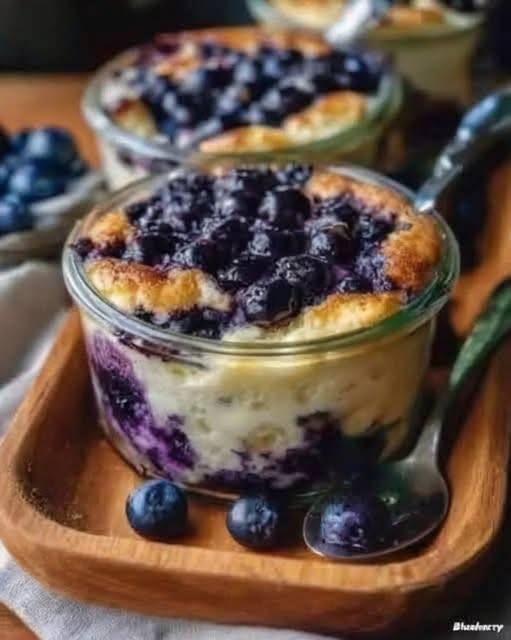
Imagine a dessert that whispers comfort, a treat that’s both elegantly simple and bursting with vibrant flavor. That, my friends, is exactly what you get with these delightful Blueberry Baked Custard Cups. Picture this: warm, creamy custard, baked to golden perfection, cradling plump, juicy blueberries that burst with every spoonful, releasing their sweet-tart juices into the silky base. These individual servings are not just a dessert; they’re a comforting hug in a ramekin, perfect for any time of day.
Baked custard is a classic for a reason – it’s a timeless preparation that transforms humble ingredients like eggs, milk, and sugar into something truly magical. When paired with the natural sweetness and slight tang of fresh blueberries, it elevates this simple dish into an unforgettable experience. What makes these cups truly special is their ease of preparation and their incredible versatility. Whether you’re looking for a wholesome breakfast option, an elegant addition to your brunch spread, or a satisfying dessert after a long day, these Blueberry Baked Custard Cups fit the bill perfectly. Plus, serving them in individual portions makes them incredibly appealing and convenient – no slicing or fuss required!
Beyond their irresistible taste and delightful texture, these custard cups boast a visual charm that’s hard to beat. The vibrant purples and blues of the baked blueberries, peeking out from the creamy, pale yellow custard, create a stunning contrast that’s as pleasing to the eye as it is to the palate. The slightly golden-brown edges hint at the perfect bake, promising a smooth, tender interior. This recipe celebrates the simple joy of good food, made with love and designed to bring a smile to your face. Get ready to fall in love with your new favorite baked treat!
Nutritional Information
Per serving (approximate values):
- Calories: 220
- Protein: 8g
- Carbohydrates: 25g
- Fat: 10g
- Fiber: 2g
- Sodium: 90mg
Ingredients
- 2 cups whole milk (or half-and-half for richer custard)
- 1/2 cup granulated sugar, plus 1 tablespoon for sprinkling
- 1 teaspoon pure vanilla extract
- 1/4 teaspoon salt
- 3 large eggs
- 1 large egg yolk
- 1 1/2 cups fresh blueberries, divided (or frozen, not thawed)
- Hot water for the water bath
Instructions
- Preheat Oven and Prepare Ramekins: Preheat your oven to 325°F (160°C). Lightly grease six 6-ounce ramekins or oven-safe glass jars. Place the ramekins in a large baking dish with high sides (such as a roasting pan).
- Warm the Milk Mixture: In a medium saucepan, combine the whole milk, 1/2 cup granulated sugar, vanilla extract, and salt. Heat over medium heat, stirring occasionally, until the sugar is dissolved and the mixture is warm but not boiling (steam will just begin to rise). Remove from heat.
- Whisk Eggs: In a large bowl, whisk together the 3 large eggs and the additional egg yolk until well combined and slightly frothy.
- Temper the Eggs: Slowly and gradually, pour about half of the warm milk mixture into the egg mixture, whisking constantly. This step, called tempering, prevents the eggs from scrambling. Once combined, pour the egg mixture back into the remaining warm milk mixture in the saucepan, whisking gently until everything is fully incorporated. Do not overmix; excessive whisking can create too many air bubbles.
- Add Blueberries: Gently fold in 1 cup of the fresh blueberries into the custard mixture.
- Fill Ramekins: Carefully pour the custard mixture evenly into the prepared ramekins.
- Create a Water Bath: Carefully pour hot water into the baking dish, around the ramekins, until the water comes about halfway up the sides of the ramekins. This water bath (bain-marie) ensures even, gentle cooking and prevents the custard from curdling or cracking.
- Bake: Transfer the baking dish to the preheated oven. Bake for 30-40 minutes, or until the custards are mostly set but still have a slight jiggle in the center when gently shaken. The edges should be firm.
- Add Remaining Blueberries: In the last 10-15 minutes of baking, carefully remove the baking dish from the oven (being mindful of the hot water). Sprinkle the remaining 1/2 cup of fresh blueberries over the tops of the custards. Sprinkle the reserved 1 tablespoon of granulated sugar evenly over the blueberries. Return to the oven to finish baking until set. The sugar will caramelize slightly on the berries, and the berries will burst beautifully.
- Cool and Chill: Carefully remove the baking dish from the oven. Let the ramekins cool in the water bath for about 15-20 minutes. Then, carefully remove the ramekins from the water bath and let them cool completely on a wire rack. For the best flavor and texture, cover and chill the custard cups in the refrigerator for at least 2 hours, or preferably overnight, before serving.
Cooking Tips and Variations
Achieving the perfect, silky-smooth custard is all about technique and patience. First and foremost, the water bath is your best friend. It insulates the ramekins, ensuring the custard cooks gently and evenly, preventing it from cracking or developing a rubbery texture. Don’t skip this step! When tempering the eggs, pour the hot milk very slowly into the eggs while whisking vigorously; this gradually raises the temperature of the eggs without scrambling them. Once combined, try not to overmix the custard, as too much air can create a foamy top. If you notice a lot of foam, you can skim it off before pouring into the ramekins.
To ensure your custard doesn’t overbake and become rubbery, watch for that slight jiggle in the center. It should look mostly set but still move a little when you gently shake a ramekin. The edges will be firm. The residual heat will continue to cook the custard as it cools. For a truly golden top, you can briefly place the custards under a broiler for 1-2 minutes after baking, but watch them very closely to prevent burning. The sprinkle of sugar in the last few minutes of baking should give a lovely, slightly caramelized finish to the berries.
The beauty of this recipe lies in its versatility. While blueberries are fantastic, feel free to experiment with other fruits. Raspberries or a mixed berry blend would be equally delicious. For a tropical twist, diced mango or pineapple could be interesting. You can also play with flavorings: a teaspoon of lemon zest added to the milk mixture will brighten the custard beautifully, or a touch of almond extract can complement the blueberries. For an extra luxurious touch, infuse the milk with a split vanilla bean instead of extract, or add a pinch of freshly grated nutmeg for warmth. If you prefer a dairy-free version, some readers have had success with full-fat coconut milk, though the texture may vary slightly.
Storage and Reheating
These Blueberry Baked Custard Cups are excellent for make-ahead convenience. Once they have cooled completely, cover each ramekin tightly with plastic wrap or transfer them to an airtight container. Store them in the refrigerator for up to 3-4 days. The flavors tend to meld and deepen beautifully after a day in the fridge, making them an ideal treat to prepare in advance for guests or meal-prepping throughout the week.
While these custards are absolutely delicious chilled, you can gently reheat them if you prefer a warm dessert. To reheat, remove the plastic wrap and place the ramekins in a baking dish. You can either warm them in a preheated oven at 300°F (150°C) for about 10-15 minutes, or until just warmed through, or microwave individual servings on a low setting for 30-60 seconds, or until desired warmth. Be careful not to overheat, as this can cause the custard to become rubbery or separate. They are best enjoyed slightly warm rather than piping hot. We recommend serving them with a dollop of whipped cream, a scoop of vanilla ice cream, or a sprinkle of fresh blueberries for an extra flourish.
Frequently Asked Questions
What is the difference between baked custard and pudding?
While both are creamy desserts, baked custard relies on eggs as its primary thickener, creating a firm yet delicate, often jiggly texture that sets through baking. Pudding, on the other hand, typically uses starches like cornstarch or flour for thickening and is cooked on the stovetop, resulting in a softer, looser consistency that can be poured or spooned.
Can I use frozen blueberries instead of fresh?
Yes, you can use frozen blueberries! There’s no need to thaw them; simply add them directly to the custard mixture and on top as instructed. Keep in mind that frozen blueberries may release a bit more liquid during baking, which can slightly tint the custard, but they will still taste delicious. If you’re concerned about excess moisture, you can toss the frozen berries with a teaspoon of flour before adding them.
Why did my custard crack or curdle?
Custard cracking or curdling is usually a sign of overcooking or cooking at too high a temperature. The water bath is crucial for preventing this by providing gentle, even heat. Ensure your oven temperature isn’t too high and remove the custards as soon as they have a slight jiggle in the center. Over-whisking the eggs can also introduce too much air, leading to a foamy texture that can crack.
Can I make these in a larger dish instead of individual cups?
Yes, you can! You can use an 8×8 inch baking dish or a 9-inch pie plate for a family-style custard. You’ll still need to bake it in a water bath. The baking time will be longer, likely around 45-60 minutes, so keep an eye on it and check for that characteristic slight jiggle in the center. Larger custards may also require a longer chilling time to set properly.