
Introduction
There are few culinary delights as universally adored and deeply satisfying as a perfectly executed batch of fried chicken. The mere mention conjures images of golden-brown crusts, shattering with an audible crunch, giving way to unbelievably juicy, tender meat. It’s comfort food perfected, a dish that transcends cultural boundaries to become a staple at family gatherings, picnics, and celebratory feasts. This isn’t just a meal; it’s an experience, a symphony of textures and flavors that captivates from the very first bite. The allure lies in that magical contrast: the crisp, seasoned exterior providing a delightful counterpoint to the succulent, well-cooked chicken within. It’s the kind of dish that makes you close your eyes in pure enjoyment, savoring every morsel.
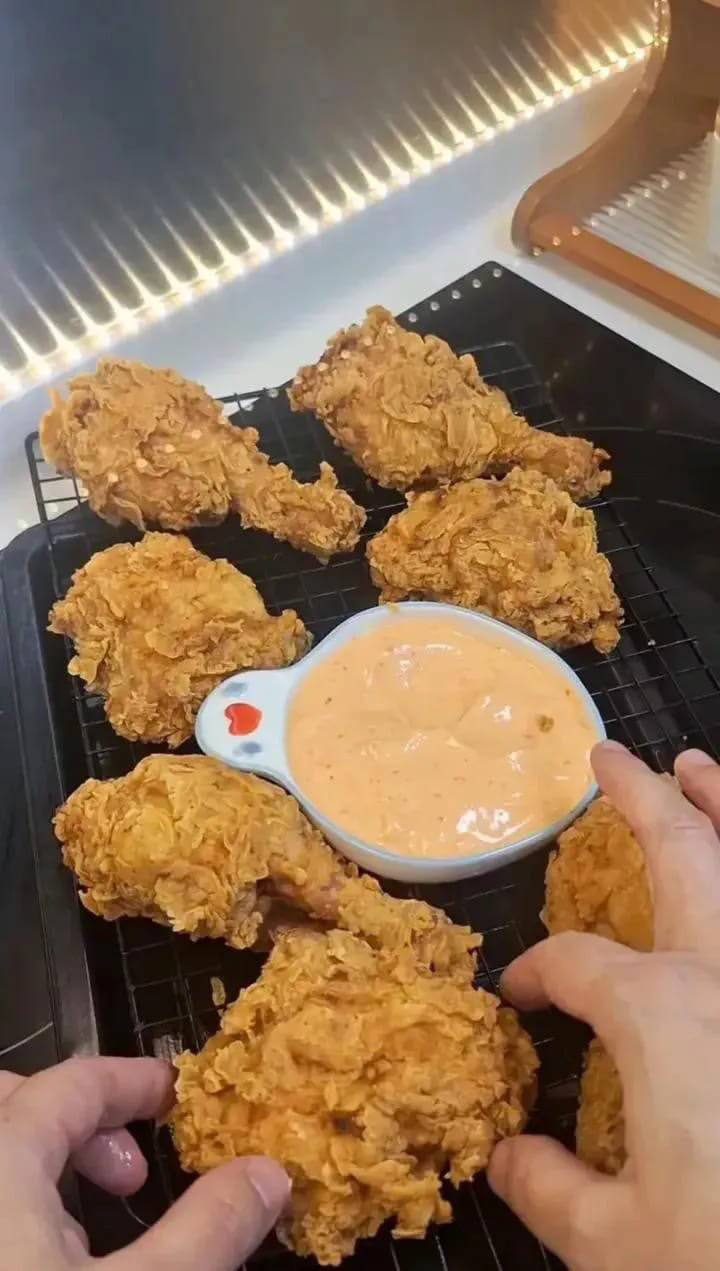
Today, we’re diving headfirst into the art of crafting that quintessential homemade fried chicken. Forget the drive-thru; this recipe will empower you to create a classic, crispy masterpiece right in your own kitchen. We’re talking about chicken pieces – drumsticks, thighs, and wings – bathed in a rich, flavorful brine, coated in a perfectly seasoned flour mixture, and fried to an impeccable golden hue. But we’re not stopping there. To truly elevate this dish, we’ll also unlock the secret to a creamy, tangy, and slightly spicy dipping sauce that complements the rich chicken in the most extraordinary way. This isn’t just about frying chicken; it’s about achieving that elusive “homemade” quality that tastes better than anything you can buy, filling your home with an aroma that promises pure deliciousness.
What makes this recipe truly special is its dedication to achieving that ideal balance of crispiness and juiciness. We’ve meticulously crafted each step, from the initial brining to the final resting, to ensure every piece of chicken emerges from the oil as a golden, crunchy marvel. This isn’t a complicated process, but it does require attention to detail, especially when it comes to oil temperature and the art of dredging. The reward, however, is immense: a platter of irresistible fried chicken that will have everyone reaching for more, and a dipping sauce so good it might just steal the show. Get ready to impress your taste buds and your loved ones with the ultimate homemade fried chicken experience.
Nutritional Information
Per serving (approximate values, based on one thigh or two drumsticks with skin and breading, and 2 tbsp sauce):
- Calories: 580
- Protein: 38g
- Carbohydrates: 25g
- Fat: 35g
- Fiber: 1g
- Sodium: 1200mg
Ingredients
For the Buttermilk Brine:
- 4 lbs bone-in, skin-on chicken pieces (a mix of drumsticks, thighs, and wings)
- 4 cups buttermilk
- 2 tablespoons salt
- 1 tablespoon black pepper
- 1 tablespoon garlic powder
- 1 tablespoon onion powder
- 1 teaspoon smoked paprika
- 1 teaspoon cayenne pepper (optional, for a hint of heat)
For the Seasoned Flour Coating:
- 3 cups all-purpose flour
- 1/4 cup cornstarch (for extra crispiness)
- 2 tablespoons salt
- 1 tablespoon black pepper
- 1 tablespoon garlic powder
- 1 tablespoon onion powder
- 1 tablespoon smoked paprika
- 1 teaspoon cayenne pepper
- 1 teaspoon dried thyme
- 1 teaspoon dried oregano
For Frying:
- 6-8 cups high smoke point oil, such as peanut, vegetable, or canola oil
For the Creamy Dipping Sauce:
- 1 cup mayonnaise
- 1/4 cup ketchup
- 2 tablespoons sriracha or chili garlic sauce (adjust to taste for heat)
- 1 tablespoon apple cider vinegar or fresh lemon juice
- 1 tablespoon honey or granulated sugar
- 1 teaspoon smoked paprika
- 1 teaspoon garlic powder
- 1/2 teaspoon onion powder
- 1/4 teaspoon salt
- Pinch of black pepper
Instructions
- Prepare the Buttermilk Brine: In a large bowl or resealable bag, combine the buttermilk, 2 tablespoons salt, 1 tablespoon black pepper, 1 tablespoon garlic powder, 1 tablespoon onion powder, 1 teaspoon smoked paprika, and 1 teaspoon cayenne pepper (if using). Whisk well to combine.
- Brine the Chicken: Add the chicken pieces to the buttermilk mixture, ensuring they are fully submerged. Cover the bowl or seal the bag and refrigerate for at least 4 hours, or preferably overnight (up to 24 hours) for maximum flavor and tenderness.
- Prepare the Dipping Sauce: While the chicken is brining, prepare the dipping sauce. In a medium bowl, combine mayonnaise, ketchup, sriracha or chili garlic sauce, apple cider vinegar or lemon juice, honey or sugar, smoked paprika, garlic powder, onion powder, salt, and black pepper. Whisk until smooth and well combined. Taste and adjust seasonings as needed. Cover and refrigerate until ready to serve, allowing the flavors to meld.
- Prepare the Seasoned Flour Coating: In a large, shallow dish or baking pan, combine the all-purpose flour, cornstarch, 2 tablespoons salt, 1 tablespoon black pepper, 1 tablespoon garlic powder, 1 tablespoon onion powder, 1 tablespoon smoked paprika, 1 teaspoon cayenne pepper, 1 teaspoon dried thyme, and 1 teaspoon dried oregano. Whisk thoroughly to ensure all spices are evenly distributed.
- Set Up for Dredging: Remove the chicken from the brine. Do not rinse the chicken; simply let any excess brine drip off naturally. Place a wire rack over a baking sheet near your dredging station. This will be used to hold the breaded chicken.
- Dredge the Chicken: Working with one piece of chicken at a time, transfer it from the brine directly into the seasoned flour mixture. Press the flour mixture firmly onto all surfaces of the chicken, ensuring it is completely coated. Really get in there and press to create a thick, craggy layer. Shake off any excess flour and place the breaded chicken piece on the prepared wire rack. Repeat with all remaining chicken pieces. Allow the breaded chicken to rest on the wire rack for at least 15-20 minutes at room temperature. This resting period helps the coating adhere better, preventing it from falling off during frying.
- Heat the Frying Oil: Pour the high smoke point oil into a large, heavy-bottomed pot, Dutch oven, or deep fryer. The oil should be deep enough to submerge the chicken pieces about halfway (at least 3-4 inches deep). Heat the oil over medium-high heat until it reaches a temperature of 350°F (175°C). Use a deep-fry thermometer to monitor the temperature accurately. If you don’t have a thermometer, you can test by dropping a small pinch of flour into the oil; it should sizzle vigorously but not burn instantly.
- Fry the Chicken in Batches: Carefully lower 3-4 pieces of breaded chicken into the hot oil, ensuring not to overcrowd the pot. Overcrowding will lower the oil temperature too much, resulting in soggy chicken. Fry the chicken for about 6-8 minutes per side, turning occasionally with tongs, until deep golden brown and cooked through. The internal temperature of the thickest part of the chicken should reach 165°F (74°C). Drumsticks and wings will cook faster than thighs.
- Drain and Rest: Once cooked, carefully remove the fried chicken from the oil using tongs and place it on a clean wire rack set over a baking sheet. This allows excess oil to drip off and ensures the crust remains crispy. Do not place it on paper towels directly, as this can make the bottom soggy.
- Maintain Oil Temperature and Repeat: Allow the oil temperature to return to 350°F (175°C) between batches before adding more chicken. Continue frying the remaining chicken in batches until all pieces are cooked.
- Serve: Serve the hot, crispy fried chicken immediately with the chilled creamy dipping sauce on the side.
Cooking Tips and Variations
Achieving truly exceptional fried chicken often comes down to a few key techniques. First and foremost, never skip the brining step. The buttermilk brine is a game-changer; the lactic acid tenderizes the chicken while the salt and seasonings infuse flavor deep into the meat, ensuring a juicy result even after frying. For an even crispier crust, consider a “double dredge.” After the initial coating in seasoned flour, dip the chicken back into the remaining buttermilk brine (if there’s enough, or a simple egg wash), then back into the flour for a second, thicker layer. This creates more nooks and crannies for ultimate crunch. Monitoring oil temperature is paramount; too low, and the chicken will be greasy; too high, and the crust will burn before the interior is cooked. A reliable deep-fry thermometer is your best friend here. Always fry in small batches to maintain oil temperature and prevent overcrowding, which leads to uneven cooking and soggy chicken.
When it comes to variations, the possibilities are endless. For a spicier kick, increase the cayenne pepper in both the brine and the flour mixture, or add a pinch of ghost pepper powder if you’re truly adventurous. You can also experiment with different spice blends; try adding a touch of curry powder, smoked paprika, or even some dried rosemary and sage to the flour for a more herbal profile. For a gluten-free option, substitute the all-purpose flour with a gluten-free all-purpose flour blend that contains xanthan gum. The results can be surprisingly good! The dipping sauce is also highly customizable. Add a dash of Worcestershire sauce for umami, a bit of chipotle powder for smoky heat, or fresh herbs like chives or parsley for brightness. You can even create a honey mustard version by swapping some ketchup for Dijon mustard and increasing the honey.
Storage and Reheating
To store leftover fried chicken, allow it to cool completely to room temperature. Once cooled, place the chicken in an airtight container or wrap individual pieces tightly in aluminum foil. Refrigerate within two hours of cooking. Fried chicken will maintain its quality in the refrigerator for up to 3-4 days. While it’s safe to eat cold, the best experience for reheating is to restore that coveted crispiness.
For reheating, avoid the microwave, as it will inevitably lead to soggy chicken. The best method for reheating fried chicken is in the oven or an air fryer. Preheat your oven to 375°F (190°C). Place the chicken pieces on a wire rack set over a baking sheet (this helps air circulate and keeps the bottom crispy). Bake for 15-20 minutes, or until heated through and the crust has re-crisped. For an air fryer, preheat to 350°F (175°C) and cook for 8-12 minutes, flipping halfway, until hot and crispy. The dipping sauce can be stored separately in an airtight container in the refrigerator for up to a week.
Frequently Asked Questions
Why do I need to brine the chicken?
Brining is a crucial step for truly juicy and flavorful fried chicken. The buttermilk and salt work together to tenderize the meat and help it retain moisture during the high-heat frying process. This prevents the chicken from drying out, ensuring every bite is succulent and delicious.
What type of oil is best for frying chicken?
For deep frying, it’s essential to use an oil with a high smoke point, meaning it can withstand high temperatures without burning or breaking down. Peanut oil, vegetable oil, canola oil, and grapeseed oil are all excellent choices for their neutral flavor and high smoke points, allowing you to achieve that perfect golden-brown crust without imparting unwanted taste.
How can I tell if my fried chicken is fully cooked?
The most reliable way to check for doneness is to use an instant-read meat thermometer. Insert the thermometer into the thickest part of the chicken, avoiding the bone. The chicken is fully cooked when it reaches an internal temperature of 165°F (74°C). You can also look for clear juices running when the chicken is pierced, but a thermometer is more accurate.
My fried chicken isn’t crispy enough. What went wrong?
Several factors can lead to less-than-crispy fried chicken. The most common culprits are oil temperature that is too low (resulting in greasy, soggy chicken), overcrowding the pot (which drops the oil temperature), or not allowing the breaded chicken to rest before frying (which helps the coating adhere). Ensure your oil is consistently at 350°F, fry in small batches, and give the breaded chicken at least 15-20 minutes to sit before it hits the oil.