
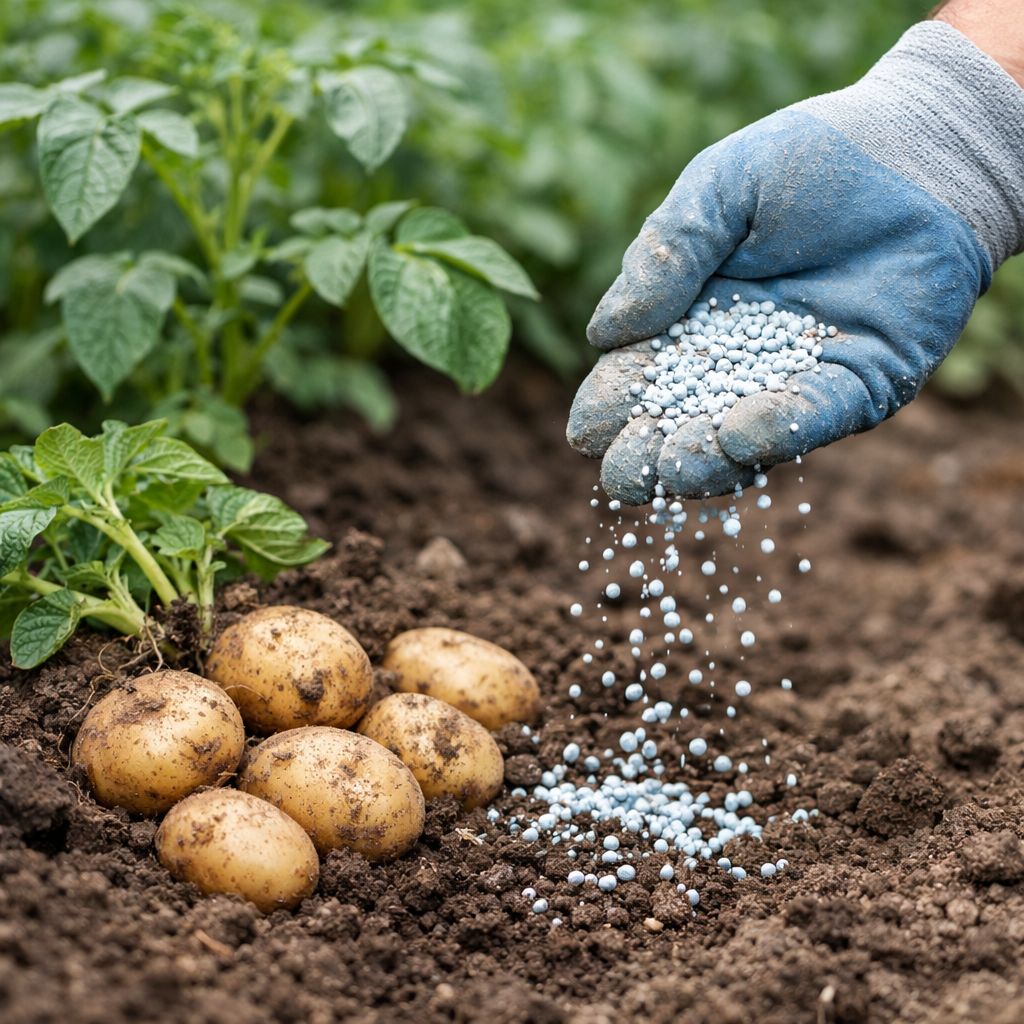

This Is Why Potatoes Need Nitrogen — Feed the Soil Right, and the Harvest Grows Bigger and Healthier
Potatoes are one of the most widely grown and consumed crops in the world. From home gardens to commercial farms, their popularity comes from their versatility, nutritional value, and relatively simple cultivation. Yet, despite being easy to grow, achieving large, healthy, and high-quality potato harvests depends heavily on one critical factor: nitrogen.
Nitrogen is often described as the engine of plant growth, and for potatoes, it plays a decisive role in determining plant vigor, tuber size, yield, and even taste. Understanding why potatoes need nitrogen, how it works in the soil, and how to manage it correctly can make the difference between a weak harvest and an abundant one.
This article explores the science behind nitrogen, its impact on potato plants, how to feed the soil properly, and best practices for maximizing potato yields in a sustainable and profitable way.
⸻
Understanding Nitrogen: The Foundation of Plant Growth
Nitrogen is a primary macronutrient, meaning plants need it in relatively large quantities. It is a major component of:
• Chlorophyll, which allows plants to photosynthesize
• Amino acids, the building blocks of proteins
• Enzymes, which regulate plant metabolism
• DNA and RNA, essential for growth and cell division
Without adequate nitrogen, potato plants struggle to develop healthy foliage, which directly affects tuber formation underground.
Potatoes rely on their leaves to capture sunlight and convert it into energy. The more efficient this process is, the more carbohydrates are transported to the tubers, resulting in larger and heavier potatoes.
⸻
Why Potatoes Are Especially Nitrogen-Hungry
Compared to many garden crops, potatoes have a relatively shallow root system. This makes them more dependent on readily available nutrients in the upper soil layers.
Nitrogen is especially important during:
• Early vegetative growth
• Leaf and stem development
• Initial tuber formation
A potato plant that receives enough nitrogen early on will develop:
• Strong stems
• Broad, dark-green leaves
• High photosynthetic capacity
This strong top growth supports the underground development of tubers later in the season.
⸻
The Relationship Between Nitrogen and Tuber Yield
Nitrogen doesn’t just influence how tall or green the plant looks. It directly affects:
- Tuber Size
Adequate nitrogen allows the plant to produce more energy, which is stored in the tubers. This leads to larger potatoes rather than many small, underdeveloped ones.
- Tuber Number
Balanced nitrogen availability helps the plant initiate a healthy number of tubers without overstressing the plant.
- Overall Yield
Field studies consistently show that potatoes grown in nitrogen-deficient soils produce significantly lower yields compared to those grown in well-managed soils.
⸻
Signs of Nitrogen Deficiency in Potatoes
Knowing how to recognize nitrogen deficiency early can save your harvest.
Common symptoms include:
• Pale green or yellowing leaves (starting from older leaves)
• Slow or stunted growth
• Thin, weak stems
• Reduced leaf size
• Poor tuber development
If these signs appear early in the growing season, nitrogen supplementation may still correct the problem.
⸻
When Nitrogen Becomes a Problem
While nitrogen is essential, too much nitrogen can be just as harmful as too little.
Excess nitrogen may cause:
• Excessive leafy growth
• Delayed tuber formation
• Soft or watery tubers
• Increased susceptibility to disease
• Reduced storage quality
This is why feeding the soil correctly is more important than simply adding more fertilizer.
⸻
Feeding the Soil, Not Just the Plant
Healthy soil is the foundation of healthy potato crops. Nitrogen works best when it is part of a balanced soil ecosystem.
Good soil management improves:
• Nutrient availability
• Water retention
• Root development
• Beneficial microbial activity
Instead of focusing only on quick nitrogen inputs, long-term soil health ensures consistent nutrient supply throughout the growing season.
⸻
Organic Sources of Nitrogen for Potatoes
Organic nitrogen sources release nutrients slowly, reducing the risk of overfeeding and leaching.
Compost
Well-decomposed compost provides moderate nitrogen and improves soil structure.
Animal Manure
Aged manure supplies nitrogen along with other essential nutrients. It must be fully composted to avoid burning plants.
Green Manure and Cover Crops
Leguminous cover crops such as beans or clover fix nitrogen naturally and enrich the soil when incorporated before planting.
Plant-Based Fertilizers
Materials like alfalfa meal or soybean meal are excellent slow-release nitrogen sources.
⸻
Synthetic Nitrogen Fertilizers: Pros and Cons
Synthetic fertilizers provide fast results and precise nutrient control, which can be beneficial for commercial potato production.
Advantages:
• Immediate nutrient availability
• Easy application
• Predictable results
Disadvantages:
• Risk of overapplication
• Nutrient leaching
• Reduced soil microbial activity over time
For best results, many growers combine synthetic inputs with organic matter to balance speed and sustainability.
⸻
Timing Nitrogen Application for Maximum Results
Timing is critical when feeding potatoes with nitrogen.
Before Planting
Incorporate compost or organic matter into the soil to build baseline fertility.
Early Growth Stage
Apply nitrogen when plants begin active leaf development. This is when demand is highest.
After Tuber Initiation
Reduce nitrogen inputs. At this stage, excess nitrogen favors leaves over tubers.
Proper timing ensures nutrients are used efficiently rather than wasted.
⸻
Nitrogen and Water: A Critical Interaction
Nitrogen uptake depends heavily on soil moisture.
• Too little water limits nutrient absorption
• Too much water causes nitrogen leaching
Consistent irrigation helps maintain nitrogen availability and prevents stress that can reduce yield.
Well-drained soil is especially important for potatoes, which are sensitive to waterlogging.
⸻
Soil Testing: The Smart Way to Manage Nitrogen
Soil testing is one of the most effective ways to optimize nitrogen use.
Benefits include:
• Knowing existing nitrogen levels
• Avoiding unnecessary fertilizer costs
• Preventing nutrient imbalance
• Improving yield predictability
Regular soil testing allows growers to apply exactly what the crop needs—no more, no less.
⸻
Sustainable Nitrogen Management for Long-Term Success
Sustainable nitrogen practices protect both yields and the environment.
Key strategies include:
• Crop rotation
• Cover cropping
• Organic matter incorporation
• Split fertilizer applications
• Reduced runoff and leaching
These practices improve soil fertility year after year, ensuring consistent potato production.
⸻
Nitrogen’s Impact on Potato Quality
Beyond yield, nitrogen also influences quality factors such as:
• Tuber texture
• Dry matter content
• Cooking performance
• Storage life
Balanced nitrogen results in firm, well-formed potatoes with better flavor and longer shelf life.
⸻
Common Nitrogen Mistakes in Potato Growing
Many growers unknowingly reduce their harvest by making these mistakes:
• Applying too much nitrogen late in the season
• Ignoring soil organic matter
• Using one fertilizer type exclusively
• Skipping soil testing
• Over-irrigating nitrogen-rich soils
Avoiding these errors can dramatically improve results without increasing costs.
⸻
Home Garden vs. Commercial Potato Production
Nitrogen management differs slightly depending on scale.
Home Gardens
• Focus on compost and organic matter
• Avoid heavy synthetic inputs
• Observe plants closely for deficiency signs
Commercial Fields
• Use soil and tissue testing
• Apply nitrogen in stages
• Combine organic and mineral sources
Both approaches benefit from understanding nitrogen’s role and applying it responsibly.
⸻
Climate and Nitrogen Availability
Temperature affects how nitrogen behaves in soil.
• Warm soils increase nitrogen mineralization
• Cold soils slow nutrient availability
• Heavy rainfall increases leaching risk
Adjusting nitrogen strategies to climate conditions improves efficiency and resilience.
⸻
The Bigger Picture: Feeding the Soil Feeds the Harvest
Potatoes don’t grow in isolation. They depend on a living soil ecosystem that supplies nutrients, water, and support.
When nitrogen is managed correctly:
• Plants grow stronger
• Tubers grow larger
• Soil fertility improves
• Harvests become more reliable
Feeding the soil instead of forcing growth creates healthier crops and more sustainable production systems.
⸻
Final Thoughts
Nitrogen is not just another fertilizer ingredient—it is a key driver of potato success. From early leaf growth to final tuber size, nitrogen influences every stage of development.
However, the goal is not maximum nitrogen, but balanced nitrogen. By feeding the soil wisely, timing applications correctly, and supporting soil health, growers can consistently produce bigger, healthier, and higher-quality potato harvests.
When the soil is nourished properly, the plants respond generously—and the harvest tells the story.