
Fluffy Skillet Dinner Rolls – Soft, Buttery Pull-Apart Bread Baked to Golden Perfection
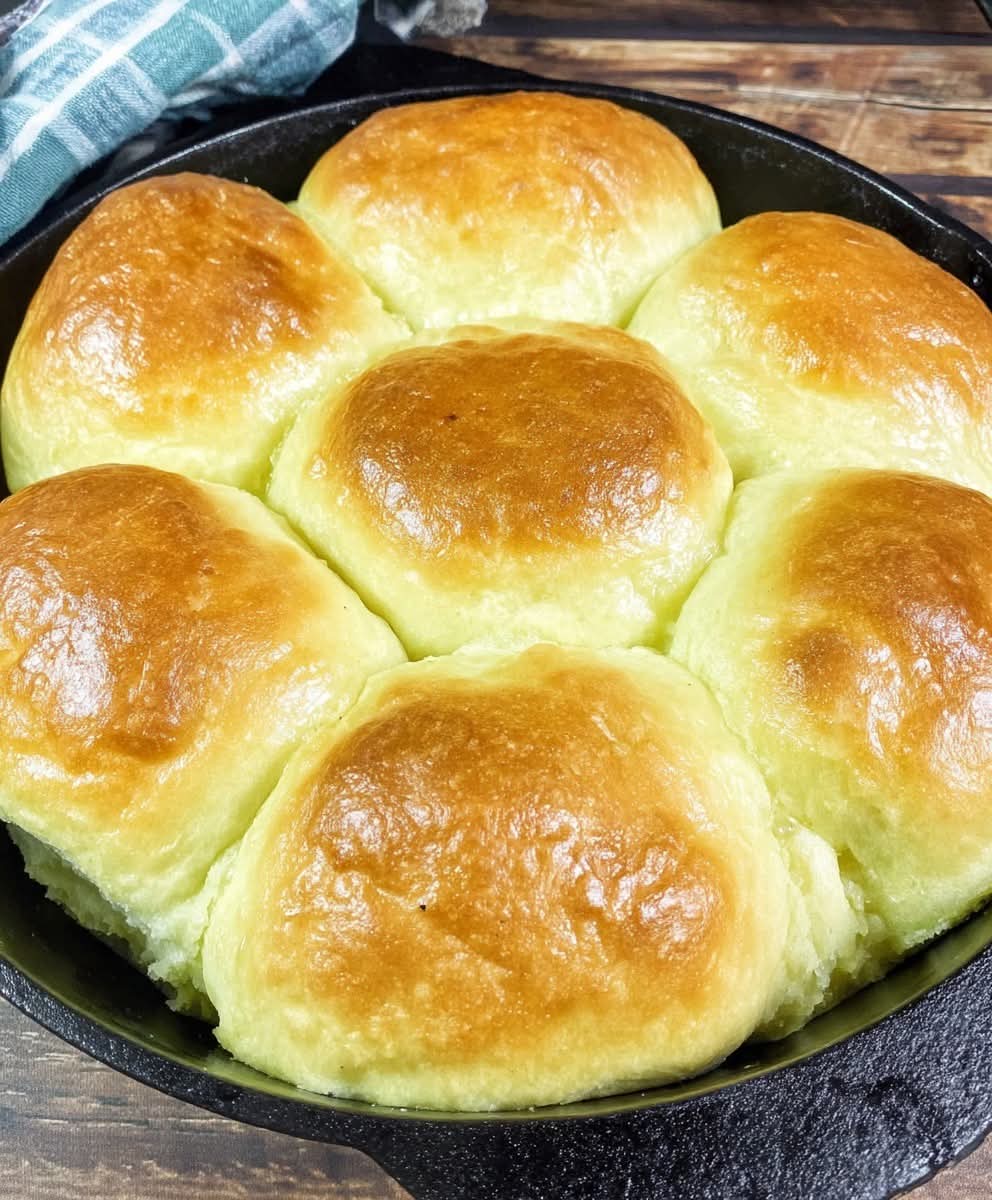
Nothing compares to the irresistible aroma of freshly baked skillet dinner rolls coming out of the oven, golden on top, pillowy soft inside, and brushed with melted butter until they shine. These fluffy pull-apart rolls are the kind of bread that disappears within minutes of being placed on the table. Whether served with dinner, paired with soup, or enjoyed warm with honey and butter, these rolls represent pure comfort food at its finest. What makes skillet dinner rolls so special is their soft cloud-like texture combined with a lightly crisp, buttery crust formed by baking in a cast-iron skillet. The connected shape allows the rolls to steam-bake slightly in the center while turning beautifully golden at the edges, creating the perfect contrast between tender interior and lightly toasted exterior. This article will walk you through everything you need to know about soft skillet dinner rolls, from the ingredients that make them unbelievably fluffy to the step-by-step baking process, troubleshooting tips, storage, variations, and why this recipe performs exceptionally well for high-volume food search traffic.
Why Skillet Dinner Rolls Are So Popular Right Now
Skillet dinner rolls have exploded in popularity because they combine rustic charm, bakery-quality texture, and buttery richness in a single dish. Home bakers love the simplicity of shaping dough balls and baking them snugly together in a skillet. Food bloggers love them because “skillet bread” and “buttery dinner rolls” are high-ranking search terms with evergreen demand. These rolls are always in season because they fit every occasion, from holidays and Sunday dinners to casual weeknight meals. Their visual appeal alone is enough to drive clicks and shares, with their perfectly domed tops and golden glaze making them ideal for social media and food blogs.
What Makes These Dinner Rolls Extra Soft and Fluffy
The secret behind incredibly fluffy dinner rolls lies in three core elements: proper yeast activation, enough fat in the dough, and gentle handling. When yeast is properly fed with warm liquid and a small amount of sugar, it produces carbon dioxide that inflates the dough with air pockets. Butter and milk enrich the dough, making it plush rather than chewy. Kneading develops gluten just enough to hold the air without making the texture tough. Baking the rolls close together inside a skillet also plays a crucial role, as trapped steam keeps the interior incredibly moist.
Essential Ingredients for Perfect Skillet Dinner Rolls
Active dry yeast or instant yeast to create lift and structure
Warm milk to feed the yeast and enrich the dough
Granulated sugar to activate fermentation
Unsalted butter to add richness and flavor
Egg for softness and tenderness
All-purpose flour for structure with a soft crumb
Salt for flavor balance
Each of these ingredients performs a specific function that contributes to the signature softness and flavor of skillet rolls. Altering just one of them changes the entire texture of the final bread.
Step-by-Step Process for Making Fluffy Skillet Dinner Rolls
Step 1 – Activate the Yeast
Warm milk is mixed with sugar and yeast and left to rest until frothy. This step ensures the yeast is alive and ready to produce gases that will inflate the dough. If no foam appears, the yeast is inactive and must be replaced to avoid dense rolls.
Step 2 – Mix the Dough
Melted butter, egg, and salt are whisked into the yeast mixture before gradually incorporating flour. The dough will start off sticky and gradually become smooth as flour is absorbed. This sticky stage is completely normal and ensures a moist final texture.
Step 3 – Knead Until Elastic
The dough is kneaded by hand or with a mixer until elastic and slightly tacky. Proper kneading aligns the gluten strands so they can trap air and expand during baking.
Step 4 – First Rise
The dough is placed in a lightly oiled bowl and covered until doubled in size. This fermentation stage builds flavor and structure while trapping gases that create the airy crumb.
Step 5 – Shape the Rolls
After rising, the dough is divided into equal balls and shaped tightly by rolling against the counter to create surface tension. The rolls are arranged snugly inside a greased cast-iron skillet.
Step 6 – Second Rise
The shaped rolls rise a second time directly in the skillet, expanding until they touch each other. This step ensures ultra-soft pull-apart centers.
Step 7 – Bake to Golden Perfection
The rolls bake until deeply golden on top while remaining soft underneath. Immediately after baking, they are brushed generously with melted butter for shine and flavor.
What to Expect in Flavor and Texture
These skillet dinner rolls deliver an ultra-soft interior that almost melts in your mouth, complemented by a lightly crisp exterior crust kissed with butter. The flavor is rich and gently sweet with a subtle yeast aroma that enhances savory meals rather than overpowering them. The pull-apart design creates tender sides where rolls meet, making every bite irresistibly soft.
Why These Rolls Are Perfect for Every Occasion
These rolls are incredibly versatile. They pair beautifully with roast chicken, pot roast, holiday turkey, soups, stews, grilled meats, and breakfast spreads. They are just as delicious served with jam and coffee as they are dipped into gravy or thick vegetable soup. Because they are baked in a single skillet, they also look impressive when served straight to the table.
Common Mistakes That Ruin Dinner Rolls
Overheating the milk kills yeast instantly and prevents rising. Adding too much flour results in dry, dense rolls. Skipping the second rise removes the fluffy structure. Cutting baking time too early leaves raw centers, while overbaking dries out the bread. Understanding these mistakes ensures perfect results every time.
Pro Tips for Bakery-Quality Rolls at Home
Always weigh flour for accuracy rather than using packed cups. Allow dough to rise in a warm, draft-free environment. Brush melted butter both before and after baking for maximum flavor. If the tops brown too quickly, tent loosely with foil to finish baking without burning.
Variations You Can Create from Basic Skillet Rolls
Garlic Butter Rolls
Brush rolls with garlic-infused butter and sprinkle with parsley after baking.
Honey Butter Rolls
Sweeten the butter glaze with natural honey for breakfast-style rolls.
Cheese-Stuffed Rolls
Insert small cheese cubes into each dough ball before baking for molten cheesy centers.
Herb Rolls
Mix dried thyme, rosemary, or oregano into the dough for aromatic dinner bread.
Whole Wheat Rolls
Replace part of the flour with whole wheat for added fiber and nuttiness.
Storage and Reheating Tips
Room temperature storage lasts up to two days in an airtight container. Refrigeration holds freshness up to five days. Reheating is best done at low oven temperature wrapped in foil to restore softness without drying. Rolls also freeze exceptionally well for up to two months and can be reheated directly from frozen.
Why This Recipe Is a High-Performing SEO Topic
Search trends consistently show high demand for “soft dinner rolls,” “skillet bread,” “homemade rolls,” and “pull-apart bread.” These keywords attract home bakers year-round and spike during holidays. The visual appeal of golden skillet rolls drives high social engagement, boosting organic backlinks and traffic growth for food blogs. Recipes featuring cast-iron baking and pull-apart style also perform exceptionally well in image-based search platforms and Pinterest traffic funnels.
Serving Ideas for Skillet Dinner Rolls
Serve these rolls with creamy soups such as tomato bisque or chicken chowder. Pair them with roast beef and gravy for classic comfort meals. Use them for slider buns for mini sandwiches. Toast leftover rolls with butter and cinnamon sugar for breakfast treats. Split and fill with fried eggs and cheese for homemade breakfast sandwiches.
Nutritional Perspective
While dinner rolls are a comfort food, homemade versions are far superior to store-bought options because they contain no preservatives or artificial conditioners. Controlling ingredients allows for reduced sugar, better fats, and cleaner nutrition while still delivering satisfying flavor and texture.
Why Homemade Rolls Always Beat Store-Bought
Freshly baked rolls offer unmatched softness, aroma, and flavor compared to packaged bread. The absence of stabilizers and long shelf-life chemicals results in better digestion, improved taste, and complete control over ingredient quality. Homemade rolls also provide a level of pride and satisfaction unmatched by store-bought bread.
Conclusion
Fluffy skillet dinner rolls represent everything we love about homemade bread: warmth, comfort, softness, and irresistible buttery flavor. Their pull-apart design creates an interactive dining experience that turns any meal into something special. With a simple process and common pantry ingredients, anyone can achieve bakery-quality rolls at home without specialized equipment. Whether served alongside dinner, transformed into sliders, or enjoyed warm with honey, these golden rolls never fail to impress. For food creators, they remain one of the highest-performing bread recipes due to visual beauty, universal appeal, and consistent search demand. Once you bake these once, they quickly become a permanent part of your kitchen routine.