
Introduction
Imagine this: you’ve just finished a delightful meal, but there’s a little something missing – that perfect, sweet ending. Or perhaps it’s a warm afternoon, and a craving for something bright, creamy, and utterly refreshing strikes. You want dessert, but the thought of complex recipes, endless baking, and a sink full of dishes sends shivers down your spine. What if we told you that a truly impressive, lusciously smooth, and vibrantly zesty lemon custard could be yours in just 5 minutes of active prep time? Meet your new dessert hero: the 5-Minute Lemon Custard. This isn’t just a recipe; it’s a revelation, proving that extraordinary flavor and delightful texture don’t require hours in the kitchen.
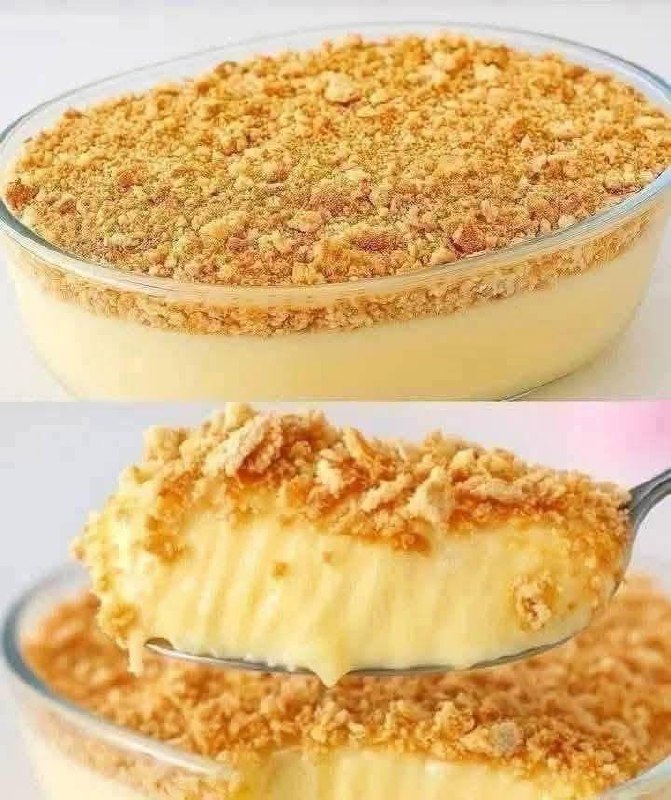
This lemon custard is a masterpiece of simplicity and taste. It combines the tangy, sun-kissed brightness of fresh lemons with a rich, velvety-smooth base that glides over your palate. But the magic doesn’t stop there. Each spoonful is elevated by a generous, crunchy topping – a delightful contrast that adds another layer of satisfaction to this already incredible treat. It’s the kind of dessert that looks like it took ages to prepare, yet comes together with astonishing speed, making it perfect for busy weeknights, spontaneous cravings, or even last-minute guests when you want to impress without the stress. Forget complicated techniques and extensive ingredient lists; this recipe focuses on fresh, quality components working in harmony to deliver pure dessert bliss.
What truly sets our 5-Minute Lemon Custard apart is its ingenious no-bake approach and minimal hands-on time. We achieve that coveted thick, creamy custard consistency without ever turning on the oven, relying instead on smart ingredient choices and the magic of refrigeration. This means less heat in your kitchen, fewer dishes to wash, and more time for you to enjoy the fruits (or rather, the lemons!) of your labor. It’s a dessert that perfectly balances indulgence with ease, making it a staple for anyone who loves bright, citrusy flavors and appreciates a quick, fuss-free path to sweet satisfaction. Get ready to fall in love with the easiest, most delicious lemon custard you’ll ever make!
Nutritional Information
Per serving (approximate values):
- Calories: 320 kcal
- Protein: 4g
- Carbohydrates: 45g
- Fat: 15g
- Fiber: 1g
- Sodium: 200mg
Ingredients
- 1 cup (240ml) fresh lemon juice (from about 4-5 medium lemons)
- 1 cup (200g) granulated sugar
- 1/4 cup (30g) cornstarch
- 1/4 teaspoon salt
- 2 large egg yolks
- 1 cup (240ml) whole milk
- 1/2 cup (120ml) heavy cream
- 1 tablespoon unsalted butter
- 1 teaspoon lemon zest (from 1 medium lemon)
- 1 teaspoon vanilla extract
- 1 1/2 cups (about 150g) digestive biscuits or graham crackers, crushed
- 3 tablespoons (42g) unsalted butter, melted (for topping)
Instructions
- In a medium saucepan, whisk together the fresh lemon juice, granulated sugar, cornstarch, and salt until the cornstarch is fully dissolved and there are no lumps. This is crucial for a smooth custard.
- In a separate small bowl, whisk the two large egg yolks until they are light yellow and slightly frothy. This will add richness and help with the custard’s texture.
- Pour the whole milk and heavy cream into the lemon juice mixture in the saucepan. Whisk well to combine all the liquid ingredients.
- Place the saucepan over medium heat. Cook, whisking constantly, until the mixture begins to thicken and comes to a gentle simmer. This typically takes about 3-5 minutes. Continue to cook and whisk for another minute once it starts to thicken to ensure the cornstarch is fully activated and the raw starch taste is cooked out.
- Remove the saucepan from the heat. While whisking vigorously, slowly drizzle about half a cup of the hot custard mixture into the whisked egg yolks. This process, called tempering, prevents the eggs from scrambling.
- Pour the tempered egg yolk mixture back into the saucepan with the remaining hot custard. Return the saucepan to low heat and cook for another 1-2 minutes, whisking constantly, until the custard is very thick and coats the back of a spoon. Do not boil.
- Remove the saucepan from the heat. Stir in the 1 tablespoon of unsalted butter, lemon zest, and vanilla extract until the butter is completely melted and incorporated. The butter adds a luxurious sheen and richness, while the zest and vanilla enhance the flavor.
- Immediately pour the hot lemon custard into individual serving dishes (ramekins, small glasses, or dessert bowls) or a single large serving dish. Cover each dish directly with plastic wrap, pressing the wrap onto the surface of the custard to prevent a skin from forming.
- Refrigerate the custard for at least 1-2 hours, or until thoroughly chilled and firmly set. For the best texture and flavor, chilling for 4 hours or overnight is recommended.
- While the custard is chilling, prepare the crunchy topping. In a medium bowl, combine the crushed digestive biscuits or graham crackers with the 3 tablespoons of melted unsalted butter. Stir until the crumbs are evenly moistened and resemble wet sand.
- Once the custard is chilled and set, remove the plastic wrap. Spoon the prepared crunchy biscuit topping generously over the surface of each custard serving just before serving.
- Serve chilled and enjoy your delightful 5-Minute Lemon Custard!
Cooking Tips and Variations
Achieving a perfect 5-Minute Lemon Custard is all about paying attention to a few key details and not being afraid to experiment. Here are some tips to ensure your custard is always a triumph, along with exciting variations to keep things fresh and fun.
Tips for Best Results:
- Fresh Lemon Juice is Non-Negotiable: While bottled lemon juice can be convenient, it simply doesn’t compare to the bright, vibrant flavor of freshly squeezed lemons. The zest also adds an incredible aromatic boost, so don’t skip it!
- Whisk, Whisk, Whisk: Constant whisking, especially during the cooking phase, is crucial. It prevents lumps, ensures even cooking, and helps develop that silky-smooth texture. Don’t step away from the saucepan!
- Tempering the Eggs: This step is vital to prevent scrambled eggs in your custard. Slowly drizzling a small amount of hot liquid into the yolks while whisking vigorously brings their temperature up gradually.
- Don’t Overcook: Once the custard thickens to coat the back of a spoon, remove it from the heat. Overcooking can lead to a rubbery texture. It will continue to thicken as it cools and chills.
- Preventing a Skin: Covering the custard directly with plastic wrap (pressing it onto the surface) immediately after pouring it into dishes is essential. This prevents a rubbery skin from forming on top as it cools.
- Chilling is Key: While the active prep is 5 minutes, the chilling time is non-negotiable. This allows the custard to properly set and for the flavors to meld and intensify. Patience here will be rewarded with a firmer, more delicious custard.
- Adjust Sweetness: Lemons vary in tartness. Taste your lemon juice before adding sugar and adjust the amount of sugar to your preference. You can always add a little more sugar at the end if you find it too tart, dissolving it by stirring thoroughly while the custard is still warm.
Variations to Try:
- Topping Alternatives: The crunchy topping adds an essential textural contrast.
- Ginger Snaps: For a spicier, more aromatic crunch, use crushed ginger snap cookies.
- Vanilla Wafers or Shortbread: Offer a milder, buttery sweetness.
- Biscoff Cookies: Add a delightful caramel and spice note.
- Almond or Pecan Crumble: Mix toasted, finely chopped nuts with a little melted butter and a pinch of sugar for a sophisticated, nutty crunch.
- Coconut Macaroon Crumble: For a tropical twist, crush dried coconut macaroons.
- Creamy Lemon Meringue Pie in a Glass: For a deconstructed meringue pie experience, top the chilled custard with a dollop of stabilized meringue (Italian or Swiss meringue works best) and lightly torch it with a kitchen blowtorch.
- Berry Bliss: Garnish with fresh berries like raspberries, blueberries, or sliced strawberries. Their sweetness and slight tartness complement the lemon beautifully.
- Herbal Zest: A tiny sprig of fresh mint or a few small basil leaves can add an unexpected and delightful aromatic contrast when serving.
- Spiced Lemon: Add a tiny pinch of cardamom or a scraping of fresh ginger to the custard mixture for a subtle warming spice note.
- Dairy-Free Option: While the texture won’t be identical, you can experiment with full-fat coconut milk or a rich oat milk for the liquid base. You’ll likely need to increase the cornstarch slightly and omit the butter.
- Citrus Medley: Replace half of the lemon juice with lime or orange juice for a different citrus profile. A blood orange and lemon custard would be visually stunning and deliciously complex.
- Individual vs. Large Dish: While individual servings are elegant, pouring the custard into a single large trifle bowl or glass dish and serving it family-style can be equally charming and is often quicker for assembly.
Storage and Reheating
One of the beauties of this 5-Minute Lemon Custard is how well it stores, making it an excellent make-ahead dessert. Proper storage ensures it remains delicious and safe to eat for several days.
Storage:
- Refrigeration is Key: Lemon custard, like most dairy and egg-based desserts, must be stored in the refrigerator.
- Airtight Container: Transfer any leftover custard (without the topping) into an airtight container. If storing in the serving dishes, ensure they are tightly covered with plastic wrap, pressing it directly onto the surface of the custard to prevent a skin from forming and to keep out refrigerator odors.
- Topping Separation: It’s best to store the crunchy topping separately in its own airtight container at room temperature. Adding the topping just before serving ensures it remains crisp and doesn’t become soggy from the moisture of the custard.
- Shelf Life: Stored properly, the lemon custard will remain fresh and delicious for 3-4 days in the refrigerator.
- Freezing Not Recommended: Freezing dairy-based custards can alter their texture significantly upon thawing, often making them watery or grainy. For optimal quality, this dessert is best enjoyed fresh from the refrigerator within its recommended shelf life.
Reheating:
- No Reheating Necessary: This lemon custard is designed to be served chilled, and reheating it is not recommended. Reheating can cause the custard to break, become watery, or lose its smooth, creamy texture due to the cornstarch and egg yolks.
- Serve Chilled: Always serve the custard directly from the refrigerator. If it has been sitting out, return it to the fridge to chill thoroughly before serving.
By following these simple storage guidelines, you can enjoy your delicious 5-Minute Lemon Custard for days, making it a convenient and delightful treat to have on hand.
Frequently Asked Questions
What if my custard doesn’t thicken?
There are a few common reasons why your custard might not thicken. The most likely culprit is not cooking it long enough or not whisking constantly. Cornstarch needs to reach a certain temperature (just below boiling) and be cooked for at least a minute or two at that temperature to fully activate its thickening properties. Ensure you’re whisking continuously over medium heat until it coats the back of a spoon thickly. If it’s still too thin, you can create a slurry of 1 tablespoon of cornstarch mixed with 2 tablespoons of cold water, whisk it into the warm custard, and cook for another minute or two until it reaches the desired consistency. Also, make sure your cornstarch isn’t old, as it can lose its potency over time.
Can I make this custard in advance for a party?
Absolutely! This 5-Minute Lemon Custard is an ideal make-ahead dessert. You can prepare the custard base up to 2-3 days in advance and store it covered tightly in the refrigerator. Prepare the crunchy topping up to a day in advance and store it in an airtight container at room temperature. Assemble the dessert by adding the topping just before serving to ensure the crunchiness. This makes it perfect for entertaining, as it frees up your time on the day of your event.
Can I use milk alternatives instead of whole milk and heavy cream?
You can experiment with milk alternatives, but be aware that the texture and richness will differ. Full-fat canned coconut milk is often a good substitute for a creamy texture, though it will impart a subtle coconut flavor. Other plant-based milks like oat milk or almond milk may result in a thinner custard, so you might need to increase the cornstarch by about half a tablespoon to achieve a similar consistency. Always choose unsweetened varieties to control the sugar content, and be mindful that the fat content will be lower, potentially affecting the overall richness and mouthfeel.
Why did my custard develop a “skin” on top while chilling?
A skin forms on custards and puddings when the surface is exposed to air as it cools. The moisture evaporates, and the proteins on the surface solidify. To prevent this, immediately after pouring the warm custard into your serving dishes, press a piece of plastic wrap directly onto the surface of the custard. Ensure there are no air bubbles between the custard and the wrap. This creates a barrier that traps moisture and keeps the surface smooth and creamy. Remove the plastic wrap just before adding the topping and serving.